If your social media feed feels like a time capsule this week, you aren't alone. A massive surge in 2016 fitness throwback trend posts has taken over TikTok and Instagram, reigniting a love for the high-energy, community-driven workout culture of a decade ago. But this isn't just nostalgia—it's the catalyst for the biggest shift in the 2026 fitness industry trends: the explosion of Hybrid Training. According to a breaking report released yesterday by JD Gyms, searches for "hybrid fitness" have spiked by a staggering 243% in the last 30 days, confirming that the defining workout of 2026 is officially here. It's the ultimate blend of 2016's intensity with today's science-backed focus on longevity.
The Return of the 'Athlete' Mindset
The concept of the "hybrid athlete" has been simmering for years, but in February 2026, it has boiled over into the mainstream. The driving force? A collective desire to move away from the fragmented approach of the early 2020s—where you were either a "runner" or a "lifter"—toward a more holistic, athletic standard.
Unlike the pure aesthetics-driven goals of the past, hybrid training 2026 focuses on performance and capability. It combines heavy strength work with high-intensity cardiovascular endurance, often in the same week or even the same session. This "2016 revival" brings back the camaraderie of group sweat sessions (think CrossFit's peak or the rise of F45) but refines it with smarter programming designed to prevent burnout.
Fitness experts argue this pivot is necessary. "People are tired of choosing between being strong or being fit," notes a leading industry analyst in the recent JD Gyms report. "The hybrid model offers a complete package—functional fitness for longevity that still scratches the itch for a hard, athletic challenge."
Why Hybrid Training is the Ultimate 2026 Workout
The appeal of the strength and cardio hybrid workout lies in its efficiency and real-world application. In 2016, we saw the peak of specialized boutique studios. In 2026, the pendulum has swung back to the "do-it-all" gym floor.
Efficiency for Busy Lives
Modern schedules demand efficiency. A well-structured hybrid athlete training plan maximizes returns by hitting multiple energy systems. Instead of spending 90 minutes lifting and another hour running on separate days, hybrid routines often compress these stimuli. For example, a "Run Lift" session might involve a 30-minute heavy compound lift circuit followed immediately by 20 minutes of Zone 4 threshold running.
The Longevity Factor
While the 2016 throwback brings the energy, 2026 brings the science. We now know that combining resistance training (for bone density and muscle mass) with Zone 2 and Zone 5 cardio (for mitochondrial health and VO2 max) is the gold standard for aging well. Hybrid training isn't just about looking athletic; it's about building a body that lasts.
Constructing the Perfect Hybrid Routine
So, what does one of the best hybrid gym routines look like in practice? The key is balancing fatigue management. You cannot max out your deadlift and run a half-marathon every day. A balanced weekly split might look like this:
- Monday: Lower Body Strength (Squats/Lunges) + Short Interval Sprints
- Tuesday: Upper Body Hypertrophy + Zone 2 Steady State Cardio (45 mins)
- Wednesday: Active Recovery (Mobility/Yoga)
- Thursday: Full Body Functional Strength (Kettlebells/Hyrox-style movements)
- Friday: Long Run or Endurance Row (60+ mins)
- Saturday: High-Intensity Hybrid Metcon (Sled pushes, Burpees, Running)
This structure allows for the high-intensity "2016 vibes" on Saturdays while respecting recovery needs during the week.
The Social Media Nostalgia Loop
The viral "2016 vs. 2026" trend on social media is more than just a meme; it's a cultural signal. Users are posting side-by-sides of their 2016 "beast mode" workouts against their 2026 hybrid sessions. The consensus? We are training smarter, not just harder.
Influencers who built their followings a decade ago are leading this charge, pivoting from pure bodybuilding or cardio bunny content to showing off their 5K times and their bench press PRs. This duality is the essence of the hybrid training 2026 movement. It validates the effort of the past while embracing the evolved understanding of the present.
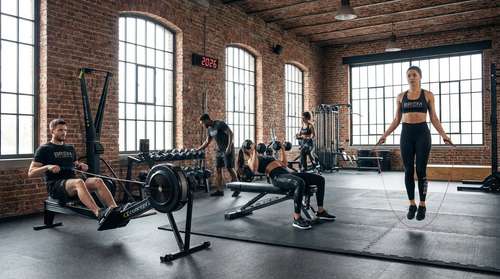
As we move further into 2026, expect to see gyms reconfiguring their layouts to accommodate this shift—more open turf areas, more SkiErgs next to squat racks, and a continued decline in machines that only serve one purpose. The 2016 revival is here, but this time, it's evolved.