A landmark study published on January 14, 2026, has revealed a transformative finding for the millions of Americans living with Cardiovascular-Kidney-Metabolic (CKM) syndrome: light physical activity significantly slashes death risk. The research, featured in the Journal of the American Heart Association, offers new hope for those managing this complex health condition, demonstrating that simple, accessible movements like walking or household chores can extend life expectancy by reducing mortality risk by up to 20%.
Breaking Down the CKM Syndrome Exercise Study 2026
The new research, led by Joseph Sartini of the Johns Hopkins Bloomberg School of Public Health, analyzed data from over 7,200 adults to understand how different intensities of movement affect longevity. The findings are particularly crucial because CKM syndrome—a framework introduced by the American Heart Association (AHA) in 2023—affects nearly 90% of U.S. adults. The syndrome encompasses the dangerous interplay between heart disease, kidney dysfunction, diabetes, and obesity.
According to this CKM syndrome exercise study 2026, replacing sedentary time with just one hour of light physical activity per day is associated with a 14% to 20% reduction in all-cause mortality. For individuals in the advanced stages of the syndrome (stages 3 and 4), the absolute benefits were even more profound. "Light physical activity is an overlooked treatment tool," Sartini noted, emphasizing that patients do not need to run marathons to see life-saving results.
Why Light Physical Activity Benefits Are a Game Changer
For decades, public health guidelines have focused heavily on moderate-to-vigorous exercise, such as running or cycling. While beneficial, these activities are often out of reach for people suffering from chronic fatigue, joint pain, or advanced metabolic conditions. The revelation of light physical activity benefits changes the paradigm for fitness for cardiovascular health.
Light activity is defined as movement that requires less than 3 METs (metabolic equivalents) of energy. Unlike gym workouts, these activities do not typically cause you to break a sweat but keep the body in motion. The study highlights that for people with multi-system conditions, consistency in these lower-intensity movements is far more valuable than sporadic, high-intensity workouts that may be unsustainable.
Examples of Effective Light Activities
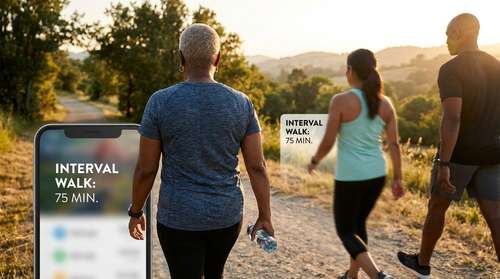
- Walking for longevity research confirms that a leisurely stroll (around 2 mph) is highly effective.
- Household chores like folding laundry, washing dishes, or light dusting.
- Casual gardening or watering plants.
- Stretching or slow dancing.
Metabolic Syndrome Exercise: Redefining "Workout"
The study's focus on metabolic syndrome exercise addresses a critical gap in healthcare. Patients with Stage 2 CKM (metabolic risk factors plus kidney disease) often struggle with the capacity for intense exertion. By validating that daily activity for weight management and heart health can be gentle, the study empowers millions to take control of their health without intimidation.
"This is a matter of capacity, not just motivation," experts argue. For someone with advanced heart or kidney disease, the heart rate response to vigorous exercise can be uncomfortable or even dangerous. Light activity offers a safe harbor—a way to improve metabolic markers like blood sugar and blood pressure without placing excessive stress on a compromised cardiovascular system.
Accessible Fitness for Seniors and High-Risk Groups
One of the most promising aspects of this research is its implication for accessible fitness for seniors. As CKM prevalence increases with age, finding safe ways to remain active is vital. The data suggests that increasing daily light activity from 90 minutes to two hours can prevent significant numbers of premature deaths in high-risk populations.
Physicians are now expected to update their prescriptions for health. Instead of generic advice to "exercise more," doctors can specifically recommend integrating daily activity for weight management and survival into routine tasks. Whether it’s pacing while on the phone or parking slightly further away at the grocery store, these micro-movements accumulate to provide substantial protection against the progression of heart and kidney failure.
A New Path Forward for Heart Health
This study serves as a powerful reminder that all movement matters. For the vast majority of Americans falling somewhere on the CKM spectrum, the barrier to better health is lower than previously thought. You don't need a gym membership or expensive equipment to fight this syndrome; you simply need to move. As we navigate 2026, this research provides a clear, science-backed roadmap: embrace the power of light activity to protect your heart, kidneys, and future.