As Sleep Awareness Week 2026 kicks off today, millions of American families are waking up to a rude awakening: nearly half of the nation's children are chronically sleep-deprived. New data released by the National Sleep Foundation (NSF) reveals a startling public health gap, with 44% of U.S. children failing to get the recommended amount of rest for their age group.
The Hidden 'Sleep Gap' in American Homes
The findings from the 2026 Sleep in America® Poll highlight a critical disconnect between perception and reality. While parents prioritize their children's well-being, many are unknowingly miscalculating the amount of rest their kids actually require. The data shows that parents frequently underestimate their child's sleep needs by more than an hour per day compared to evidence-based guidelines.
"We don't sleep in isolation," explains Dr. Joseph Dzierzewski, Vice President of Research at the National Sleep Foundation. "Sleep happens within a social context, and when nearly half of U.S. children aren't getting the sleep they need, it creates a knowledge gap that challenges public health."
This deficit is particularly pronounced in younger children, who are statistically more likely to fall short of the necessary hours. The consequences of this "sleep gap" extend far beyond groggy mornings, contributing to issues with emotional regulation, learning, and long-term physical health.
Ripple Effects: How Child Sleep Deprivation 2026 Impacts Families
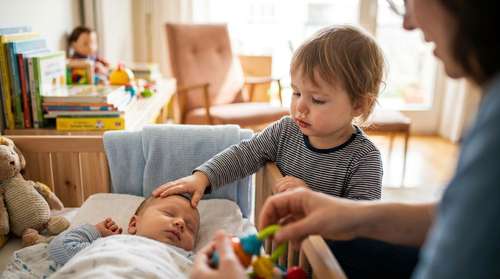
The survey paints a vivid picture of the toll this crisis takes on the entire family unit. Sleep is not just an individual biological function; it is a shared family resource. When one member struggles, the whole household feels the strain.
According to the poll results:
- 80% of parents report that their own sleep suffers when their child sleeps poorly.
- 86% of caregivers state that good sleep visibly improves their child's behavior and mood.
- Nearly 70% say poor sleep negatively impacts their child's daytime functioning.
The mental load on parents is also significant. The study found that 74% of caregivers think about their children's sleep habits daily, spending an average of two hours every day worrying about whether their kids are resting enough. Strikingly, parents indicated they would be willing to pay an average of $71 just to guarantee a single night of quality rest for their children.
How Much Sleep Do Kids Need? (2026 Guidelines)
To close the gap, families must first understand the biological requirements for pediatric sleep. The National Sleep Foundation reiterates its standard recommendations for child sleep health:
- Newborns (0-3 months): 14 to 17 hours
- Infants (4-11 months): 12 to 15 hours
- Toddlers (1-2 years): 11 to 14 hours
- Preschoolers (3-5 years): 10 to 13 hours
- School-age children (6-13 years): 9 to 11 hours
These numbers reflect total sleep time in a 24-hour period, which may include naps for younger age groups. Falling consistently below these thresholds can lead to the behavioral and developmental issues highlighted in the new study.
Actionable Family Sleep Health Tips
Improving child sleep habits starts with establishing a culture of sleep health at home. As families observe Sleep Awareness Week, experts recommend implementing a few non-negotiable pillars of well-being.
Prioritize Light and Movement
Our internal body clocks, or circadian rhythms, are heavily influenced by light and activity. Ensure children get exposure to bright natural light in the morning to jumpstart their day. Complement this with at least 30 minutes of play or exercise daily to build up enough "sleep pressure" for the evening.
The 60-Minute Buffer Zone
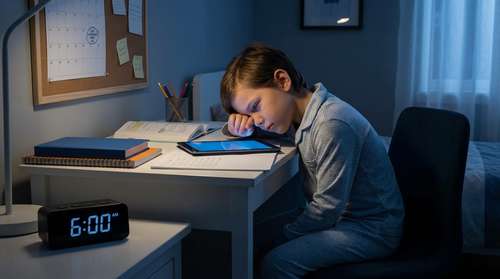
Screen time remains a primary disruptor of pediatric sleep. The blue light emitted by tablets and phones suppresses melatonin, the hormone responsible for sleepiness. Create a strict device-free window at least 60 minutes before bed to allow the brain to wind down naturally.
Consistency is Key
The most effective sleep strategy is often the simplest: a consistent schedule. Setting a regular wake-up time and bedtime—even on weekends—helps regulate the body's clock. Combine this with a calming wind-down ritual, such as reading or listening to quiet music, to signal to the body that it is time to rest.