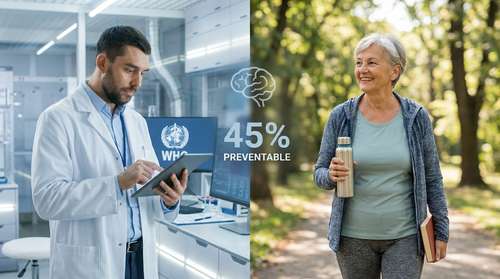
As the global population ages, the quest to preserve healthy aging and brain health has become more urgent than ever. In a promising development for cognitive preservation, a landmark study published on June 15, 2026, in the Annals of Internal Medicine provides compelling evidence regarding the shingles vaccine dementia risk. Researchers have found that the modern shingles immunization not only shields patients from a painful viral rash but might also serve as a powerful neuroprotective tool, dramatically dropping the odds of a devastating neurological diagnosis.
The Surprising Link Between Shingrix and Alzheimer's
Led by Dr. Kaleen Hayes and a team of clinical researchers at the Brown University School of Public Health, this comprehensive study analyzed electronic health records and Medicare data from over 500,000 adults aged 66 and older. These individuals were recently admitted to skilled nursing facilities for post-acute or long-term care—a demographic historically vulnerable to both rapid viral outbreaks and progressive cognitive decline.
The results were striking. Patients who received at least one dose of the recombinant zoster vaccine (RZV), widely known as Shingrix, faced a 24 percent lower risk of being diagnosed with dementia over a four-year follow-up period compared to their unvaccinated peers. In absolute terms, the cumulative four-year dementia risk dropped from 24.6 percent in unvaccinated residents to just 18.8 percent in the vaccinated group.
This 5.8-percentage-point difference translates to preventing roughly one in every 17 cases of dementia within this high-risk population. While prior epidemiological data had hinted at a connection between earlier, live-attenuated vaccines and preserved cognitive function, this research is the first to rigorously validate the connection between the modern Shingrix and Alzheimer's or general dementia protection.
How to Lower Dementia Risk: Understanding the Brain Benefits
You might wonder how a routine arm injection targeting a peripheral nerve virus can safeguard the intricate networks of the brain. Medical experts point to two primary biological mechanisms that highlight the profound recombinant zoster vaccine benefits.
Curbing Viral Neuroinflammation
The varicella-zoster virus, which causes chickenpox during childhood, lies dormant in the nervous system for decades. As the immune system naturally weakens with age, the virus can stealthily reactivate, causing the painful, blistering condition known as shingles. Beyond the localized rash, viral reactivation triggers severe systemic and neuroinflammation. Chronic neuroinflammation is a well-established driver of neurodegenerative diseases, including Alzheimer's and vascular dementia.
By effectively blocking the virus from waking up, the Shingrix vaccine prevents this massive inflammatory cascade from reaching the brain. Without the systemic stress of a major viral flare-up, the brain maintains its structural integrity longer, allowing individuals to maintain healthy cognitive function well into their golden years.
The Power of Immune-Boosting Adjuvants
The Shingrix vaccine contains a specific adjuvant—an ingredient designed to create a hyper-vigilant immune response. Some immunologists theorize that this powerful immune-boosting component might train the body's peripheral immune cells to better clear out toxic amyloid plaques or tau tangles in the brain. This 'bystander effect' means that while the vaccine is busy preparing the body for the herpes zoster virus, it simultaneously primes the immune system to support healthy aging brain health.
Preventing Dementia in Older Adults: A Game Changer for Nursing Care
What makes the Brown University data especially vital is its direct focus on individuals entering skilled nursing facilities. These residents are frequently excluded from large-scale clinical trials because they often manage multiple co-morbidities, yet they represent the exact population where preventing dementia in older adults is most critical and impactful.
When older individuals move into long-term care, their routine vaccination schedules often fall by the wayside. Dr. Hayes's study utilized a sophisticated methodology known as target trial emulation. This approach brings retrospective observational data as close to the rigorous standards of a randomized controlled trial as possible. By adjusting for variables like baseline health, age, and existing conditions, the research team confirmed that the drop in cognitive decline is genuinely tied to the immunization, rather than the vaccinated group simply being healthier overall.
The Shingles Shot and Cognitive Decline: What You Should Do Now
Before 2017, the primary defense against shingles was Zostavax, a live vaccine that offered significantly lower efficacy and eventually left the U.S. market. The FDA-approved Shingrix is fundamentally different, relying on recombinant technology that offers upward of 90 percent protection against the virus. It requires a two-dose series spaced two to six months apart for maximum efficacy.
The Centers for Disease Control and Prevention currently recommends the vaccine for adults 50 and older, as well as adults 19 and older who have weakened immune systems. This new data elevates the vaccine from a simple preventive measure against nerve pain to a critical pillar of proactive neurological care.
If you or a loved one are exploring how to lower dementia risk, having a conversation with a healthcare provider about your vaccination status is a highly actionable first step. While scientists continue to explore the exact cellular pathways bridging the shingles shot and cognitive decline, the immediate clinical takeaway is undeniable. Keeping up with routine immunizations offers a life-altering, two-for-one benefit: neutralizing a notoriously painful nerve infection while actively defending your memory and independence for the years ahead.