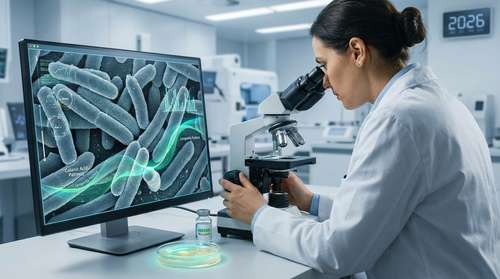
In a groundbreaking development for gut microbiome longevity research, scientists from the Howard Hughes Medical Institute (HHMI) have identified a method to transform common gut bacteria into powerful "anti-aging factories." The study, published on February 1, 2026, reveals that low doses of a specific antibiotic can trigger microbes to produce colanic acid, a compound shown to significantly extend lifespan and improve metabolic health without toxic side effects.
Turning Microbes into Anti-Aging Factories
For decades, the quest for life extension has focused on altering human cells directly. However, this new research, led by Dr. Meng Wang at Baylor College of Medicine and HHMI, shifts the paradigm to the trillions of bacteria residing in our digestive tract. The team discovered that when exposed to low doses of cephaloridine—a drug typically used to fight infections—gut bacteria like E. coli switch into a protective mode, pumping out high levels of colanic acid.
"We found that we could essentially reprogram these bacteria to work for us," said Dr. Wang in the press announcement. "By tweaking their environment with a compound that stays strictly in the gut, we created microbial factories that manufacture health-promoting molecules 24/7."
The Science: How Colanic Acid Slows Aging
The mechanism behind this colanic acid anti-aging breakthrough lies in how it communicates with the host's mitochondria—the power plants of our cells. As we age, mitochondria often become fragmented and less efficient, leading to cellular decline. The study found that colanic acid acts as a signaling molecule that preserves mitochondrial dynamics.
In laboratory tests involving C. elegans and mice, the influx of bacterial colanic acid prevented stress-induced mitochondrial damage. This protection translated directly to tangible health benefits, effectively hitting the brakes on biological aging research markers that typically degrade over time.
Metabolic Health and Aging
The most promising results came from mammalian trials. When older mice were treated with the low-dose regimen, the effects on metabolic health aging were striking. Researchers observed:
- Cholesterol Regulation: Male mice showed a significant increase in "good" HDL cholesterol and a decrease in "bad" LDL cholesterol.
- Insulin Stabilization: Female mice exhibited reduced insulin levels and better glucose regulation, a key factor in preventing age-related metabolic diseases.
A Safer Path to Life Extension
One of the most critical aspects of this finding is safety. Many potential anti-aging drugs fail because they cause systemic toxicity when absorbed into the bloodstream. However, the cephaloridine used in this study is unique; it is not well-absorbed by the gut.
This means the drug remains in the intestinal tract, acting solely on the microbiome to stimulate life extension gut bacteria, without ever entering the host's circulation to risk kidney or liver damage. This "local action, systemic benefit" approach represents one of the most viable healthy aging breakthroughs 2026 has seen so far.
The Future of Microbial Therapeutics
This discovery opens the door to a new class of "microbial therapeutics" designed not to kill bugs, but to coach them. By using microbial factories healthspan strategies, future treatments could involve taking a pill that simply encourages your existing microbiome to produce the medicine you need naturally.
While human trials are the next necessary step, the implications are profound. If these results translate to people, we may soon view our gut bacteria not just as passengers, but as the active engineers of our own longevity.