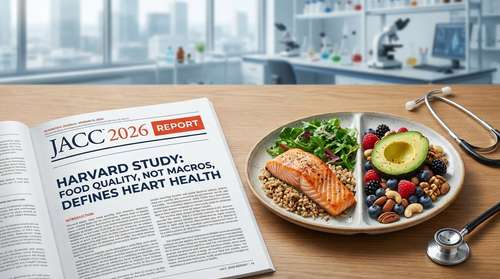
For decades, the nutrition world has been divided into two warring camps: those who shun fats and those who banish carbohydrates. But a massive new heart health nutrition study published in February 2026 has finally settled the score. The verdict? Both sides are right—and both are wrong. According to the landmark research published in the Journal of the American College of Cardiology (JACC), the secret to preventing heart disease isn't about math; it's about ingredients. This breaking news on low carb vs low fat 2026 fundamentally changes how we understand heart health, shifting the focus from strict macro counting to the quality of food on your plate.
The End of the Macro Wars: A 30-Year Analysis
Led by researchers at the Harvard T.H. Chan School of Public Health, this groundbreaking JACC diet research analyzed data from nearly 200,000 U.S. adults over a staggering 30-year period. Unlike smaller, short-term trials that often produce conflicting results, this comprehensive analysis offers definitive evidence on the long-term effects of popular diet patterns.
The study, titled "Effect of Low-Carbohydrate and Low-Fat Diets on Metabolomic Indices and Coronary Heart Disease," found that neither low-carb nor low-fat diets are inherently superior for heart health. Instead, the risk of coronary heart disease (CHD) was determined entirely by what replaced the missing macronutrients. Lead author Dr. Zhiyuan Wu emphasized that simply cutting specific nutrients doesn't guarantee health benefits if they are replaced with low-quality substitutes.
Quality Food vs Macro Counting: The Key Findings
The researchers created a nuanced scoring system to differentiate between "healthy" and "unhealthy" versions of both diets. The results were stark and illuminating for anyone interested in preventing heart disease naturally.
The Winners: Plant-Based and Whole Foods
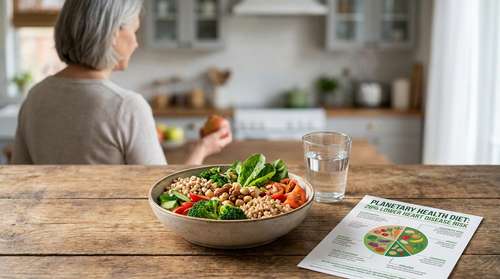
Participants who followed healthy versions of either diet saw a significantly reduced risk of heart disease. A "healthy" low-carb diet emphasized plant-based proteins and unsaturated fats, while a "healthy" low-fat diet focused on high-quality carbohydrates like whole grains, whole fruits, and legumes. These groups showed better metabolic profiles, including lower triglycerides and higher HDL (good) cholesterol.
The Losers: Refined Carbs and Animal Fats
Conversely, those who followed "unhealthy" versions of these diets saw their heart disease risk increase. An unhealthy low-carb diet high in animal proteins and saturated fats, or a low-fat diet filled with refined sugars and processed grains, proved detrimental to cardiovascular health. This distinction proves that quality food vs macro counting is the critical factor for longevity.
Aligning with the 2026 Dietary Guidelines Update
These findings arrive at a crucial moment, providing scientific backing for the recent 2026 dietary guidelines update. The new federal recommendations have increasingly moved away from strict nutrient percentages, urging Americans to focus on dietary patterns instead. This study reinforces the shift toward plant based heart health 2026 trends, demonstrating that flexibility is possible as long as the foundation remains high-quality, nutrient-dense foods.
"Our findings help debunk the myth that simply modulating carbohydrate or fat intake is inherently beneficial," Dr. Wu explained in the study's release. This aligns with the broader medical consensus that ultra-processed foods, regardless of their macro profile, are the primary drivers of chronic disease.
How to Eat for Heart Health in 2026
So, what does this mean for your daily meals? You don't need to abandon your preferred eating style, but you may need to upgrade your ingredients. Whether you prefer a keto-style approach or a high-carb vegetarian lifestyle, the rules for preventing heart disease naturally remain the same:
- Prioritize Plants: Make vegetables, nuts, seeds, and legumes the stars of your plate.
- Choose Healthy Fats: Opt for olive oil, avocados, and nuts over animal fats and butter.
- Pick Whole Grains: If you eat carbs, choose quinoa, oats, and brown rice over white bread and sugary snacks.
- Limit Processed Meats: Reduce intake of bacon, sausage, and other processed animal products.
The Bottom Line
The debate is officially over. The low carb vs low fat 2026 discussion has evolved into a conversation about food quality. This JACC study confirms that you have the freedom to choose a diet that fits your preferences, provided you build it on a foundation of real, wholesome food. By focusing on nutrient density rather than mathematical ratios, you can effectively protect your heart for decades to come.