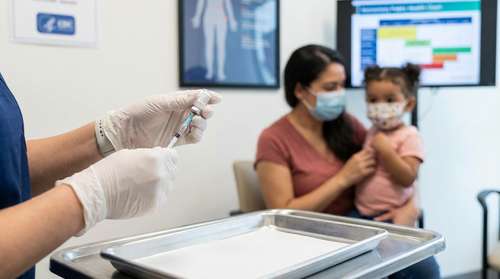
The United States is grappling with a severe resurgence of a virus once thought to be permanently eliminated. Barely ten weeks into the year, public health officials are sounding the alarm. According to the latest reports, 1,281 confirmed cases have been recorded across 31 states, a figure that is already nearly matching the staggering totals from the entire previous year. With over 80% of these infections occurring in children and adolescents, the measles outbreak 2026 is rapidly becoming a defining public health crisis of the decade.
Behind the Numbers: CDC Measles Data March 2026
The sheer speed of this virus's spread has caught many communities off guard. The U.S. famously declared measles eliminated in the year 2000, a monumental victory achieved through widespread immunization. However, the firewall has cracked. After seeing a modest 285 cases in 2024, the nation was hit with a massive wave of infections in 2025. Now, the CDC measles data March 2026 reveals that we are currently enduring 1,281 cases in just the first few months. The vast majority of these infections are outbreak-associated, tearing through tight-knit communities, schools, and family networks.
Why are we losing ground? A significant driver behind the current crisis is the steady rise in childhood vaccine exemptions. In recent years, national kindergarten vaccination rates have dipped below the crucial 95% threshold required for robust herd immunity. The virus is notoriously tenacious, capable of lingering in the airspace and on surfaces of a room for up to two hours after an infected person has coughed or sneezed. Because of this airborne efficiency, if one person has the virus, up to nine out of ten unvaccinated people nearby will become infected.
Spotting the Signs: Measles Symptoms in Kids
For parents, early detection is critical. The virus often masquerades as a typical winter cold before revealing its true nature. Measles symptoms in kids generally appear seven to 14 days after exposure. The initial warning signs include a high fever that can spike significantly, a persistent cough, runny nose, and red, watery eyes.
The Telltale Rash and Koplik Spots
About two to three days after the first symptoms, tiny white markers known as Koplik spots may appear inside the mouth. This is usually followed by the characteristic flat, red rash that breaks out on the face and neck before cascading down the entire body. A person is actually contagious four days before the rash even appears, and four days after. This silent window of transmission is precisely why outbreaks spiral out of control before public health officials can issue a warning.
It is crucial to understand that this is not just a harmless childhood rash; it is one of the most serious preventable diseases in children. According to health authorities, roughly one in five unvaccinated people who contract the virus will require hospitalization. Complications can range from severe ear infections and pneumonia to encephalitis, a dangerous swelling of the brain that occurs in about one out of every 1,000 cases and can cause permanent neurological damage.
Separating Fact from Fiction: MMR Vaccine Safety
The most effective shield against this crisis remains the two-dose MMR (measles, mumps, and rubella) vaccine. Despite decades of clinical data, misinformation continues to circulate. Let us look at the facts regarding MMR vaccine safety.
Extensive epidemiological studies involving millions of children have repeatedly proven that the vaccine is safe and highly effective. Two doses provide about 97% protection against the disease. The most common side effects are temporary and mild, such as a sore arm, a low-grade fever, or a faint rash. Severe allergic reactions are incredibly rare. When weighing a mild, temporary sore arm against a highly contagious virus with a 20% hospitalization rate, the clinical consensus is overwhelming: vaccination is the definitive choice for protecting our youth.
Action Steps for Family Health Safety 2026
As the outbreak continues to expand across state lines, taking proactive measures is non-negotiable for family health safety 2026. If you are unsure of your family's immunization status, now is the time to contact your pediatrician or local health department.
- Review Immunization Records: Ensure your children have received both doses of the MMR vaccine. The first dose is typically given at 12 to 15 months, and the second between four and six years of age.
- Consider Early Vaccination for Travel: If you reside in or plan to travel to an area with an active outbreak, consult your doctor. Infants as young as six months can receive an early dose of the MMR vaccine to provide critical baseline protection.
- Stay Informed: Monitor local health department alerts. Schools and daycares are prime transmission grounds, and being aware of local case counts can help you make informed decisions about social gatherings.
The current trajectory of this virus is a stark reminder of how quickly dormant threats can reemerge when community immunity wanes. Reversing this trend requires a collective commitment to evidence-based medicine and public health. By prioritizing vaccination and staying vigilant, we can protect our most vulnerable and turn the tide on this unprecedented outbreak.