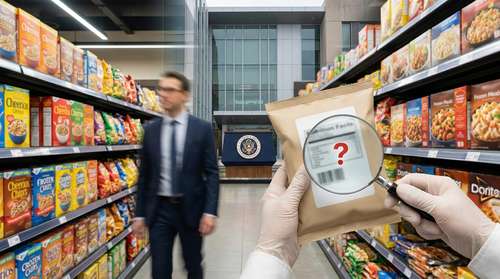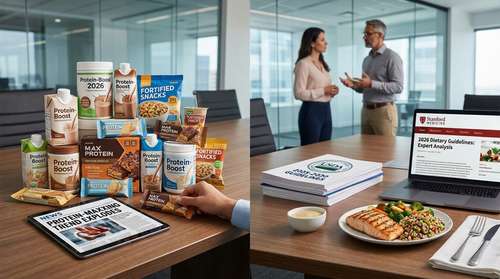
If you have walked down a grocery store aisle recently, you have likely noticed a bizarre transformation. From bottled water to potato chips and even toaster pastries, almost everything now comes in a "protein-boosted" version. This explosion of fortified snacks is the direct result of the new federal protein guidelines 2026, which significantly raised the recommended daily intake. But as the protein-maxxing trend takes over social media and supermarket shelves, top medical experts are urging consumers to take a step back.
The updated dietary guidelines, released jointly by federal health departments in early 2026, sparked a cultural obsession by raising the recommended dietary allowance (RDA) of protein by up to 100%. While fitness influencers celebrate, leading nutrition researchers are raising red flags. According to a newly released Stanford medicine protein study and expert panel published this week, the average American's sudden panic over macronutrients might be entirely unnecessary.
Understanding the USDA Protein RDA 2025-2030
For decades, the standard advice for protein intake was 0.8 grams per kilogram of body weight. For a 150-pound adult, that translated to roughly 55 grams of protein daily. However, the USDA protein RDA 2025-2030 drastically shifted this baseline, recommending that adults consume between 1.2 and 1.6 grams per kilogram instead. This effectively bumps that same 150-pound person's target to 80 to 110 grams a day.
The policy update was framed as a necessary corrective measure, with federal officials explicitly stating their intent to prioritize protein and full-fat dairy while minimizing added sugars and ultra-processed foods. The initial message was simple: eat real, whole foods. Unfortunately, the food industry interpreted this as a green light to engineer highly processed items that masquerade as health foods simply by boasting a high protein count on the label.
The Protein-Boosted Foods Market and the "Health Halo"
The swift commercialization of these guidelines has given birth to the protein-boosted foods market, a multi-billion dollar industry capitalizing on consumer confusion. People are actively "protein-maxxing"—a viral internet strategy of cramming as much protein into every meal and snack as humanly possible.
Dr. Marily Oppezzo, a dietician and instructor of medicine at the Stanford Prevention Research Center, points out the flaw in this behavior. "Protein has gotten the kind of treatment that low-fat food did in the '90s," she explained in a March 25 update. "We all have given protein a health halo. Protein intake is important. Just not as magical-fixer-fountain-of-instant-awesome as Instagram would tell you".
Experts warn that this health halo is blinding consumers to the reality of what they are eating. A protein bar packed with synthetic whey isolates, artificial sweeteners, and preservatives is still a highly processed food. Busting common high protein diet myths requires understanding that adding protein to junk food does not magically make it nutritious.
This industry shift also raises the cost of groceries for everyday consumers. Shoppers are paying premium prices for products labeled "high-protein," mistakenly believing they are investing in their long-term health. In reality, many of these snacks feature ingredient lists a mile long, packed with sodium and saturated fats to mask the chalky taste of protein isolates.
Stanford Experts Weigh In: Are We Deficient?
Perhaps the most surprising revelation from Stanford's nutrition specialists is that the vast majority of Americans are already hitting these newly elevated targets without even trying. Dr. Christopher Gardner, director of nutrition studies at the Stanford Prevention Research Center, emphasizes that the old 0.8g/kg metric was originally designed to cover the nutritional needs of 98% of the population.
Data shows that the average American man already consumes about 100 grams of protein daily through a standard diet. When people intentionally try to double their intake using processed supplements and heavy meat consumption, they often end up storing the excess calories as fat or straining their kidneys, rather than building the lean muscle they desire.
Furthermore, Gardner and other leading experts worry about the broader implications of these guidelines on public health messaging. By hyper-focusing on a macronutrient that most citizens already consume in abundance, the government risks distracting from actual dietary deficits. Americans consistently fall short on fiber intake, a crucial component for gut health and chronic disease prevention. Yet, legumes and beans, which naturally provide both protein and fiber, were largely sidelined in the new food pyramid in favor of animal-based proteins.
How Much Protein Per Day 2026: Who Actually Needs More?
So, if answering the question of how much protein per day 2026 doesn't require extreme dietary overhauls for the average person, who exactly benefits from the new 1.2 to 1.6 grams per kilogram recommendation?
According to Stanford experts, higher protein intake is genuinely beneficial for specific populations:
- Older Adults: Aging bodies become less efficient at processing protein, making higher intake necessary to prevent age-related muscle loss.
- People on Weight-Loss Medications: Patients taking modern weight-loss drugs or undergoing extreme caloric restriction need extra protein to ensure they lose fat rather than lean muscle mass.
- High-Performance Athletes: Those engaged in rigorous, daily resistance training require more amino acids for muscle repair.
The Bottom Line on Muscle Growth
For those hoping that eating extra protein will automatically result in a toned physique, experts offer a reality check. Dietary protein alone does not build muscle. Dr. Oppezzo frequently cites a common analogy among nutrition researchers: resistance training is the cake, and protein is merely a thin layer of frosting. Without the mechanical stimulus of lifting weights or performing resistance exercises, dumping excess protein into your system provides no physical benefit.
As the 2026 guidelines continue to reshape American grocery stores, the best advice remains grounded in common sense. Prioritize high-quality, whole-food sources like lentils, beans, eggs, and lean meats, and leave the protein-infused toaster pastries on the shelf.