The U.S. government has officially declared a new era in nutrition, igniting a fierce Nutrition Civil War that has left health experts and industry leaders divided. On January 7, 2026, the Department of Health and Human Services (HHS) and the USDA released the highly anticipated 2025-2030 Dietary Guidelines for Americans, effectively dismantling the decades-old 'MyPlate' model. In its place stands a radical new icon: the Inverted Food Pyramid. Spearheaded by HHS Secretary Robert F. Kennedy Jr. under the banner of "Make America Healthy Again" (MAHA), this new framework prioritizes animal proteins, full-fat dairy, and "real food" while relegating grains and processed carbohydrates to the bottom tier. As Americans digest these sweeping changes, a battle lines are drawn between administration officials championing metabolic health and traditional medical organizations warning of cardiovascular consequences.
The Great Nutrition Reset: Inside the Inverted Pyramid
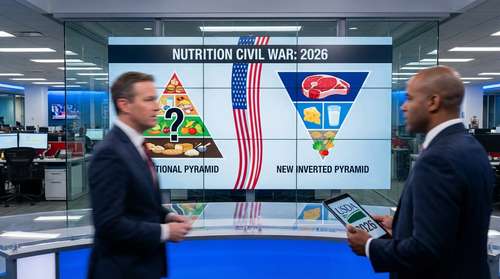
The most striking feature of the 2025-2030 Dietary Guidelines for Americans is the visual overhaul of federal nutrition advice. For the first time since 2011, the 'MyPlate' graphic has been scrapped in favor of an inverted food pyramid that flips conventional wisdom on its head. The new graphic places nutrient-dense animal proteins—including red meat, eggs, and poultry—alongside full-fat dairy and vegetables at the wide top of the structure, signaling these should be the foundation of the American diet.
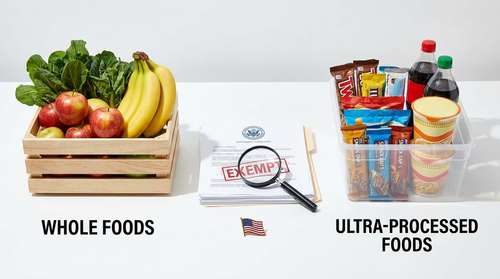
This "Great Nutrition Reset" is driven by the new administration's slogan: "Eat Real Food." The guidelines explicitly downgrade the role of carbohydrates, positioning grains (even whole grains) and fruits lower on the hierarchy than proteins and fats. According to the USDA, the goal is to combat the obesity and diabetes epidemics by focusing on satiety and nutrient density rather than calorie counting. "We are returning to the basics of biology," stated Secretary Kennedy during the launch, emphasizing that the new pyramid is designed to crush the addiction to ultra-processed foods.
Protein and Fats: The New Gold Standard
The specifics of the federal nutrition guidelines 2026 reveal a dramatic pivot in macronutrient advice. The new recommendations urge Americans to consume significantly more protein, raising the suggested daily intake from the long-standing 0.8 grams per kilogram of body weight to a robust 1.2 to 1.6 grams per kilogram. This change aligns with modern research suggesting higher protein intake is critical for muscle maintenance and metabolic health, particularly in an aging population.
The Full-Fat Dairy Controversy
Perhaps the most controversial shift is the green light for full-fat dairy. Moving away from the "low-fat" or "fat-free" mantra of the last 40 years, the guidelines now recommend whole milk, butter, and cheese as healthy staples, provided they contain no added sugars. While this is a victory for the "real food" movement, it creates a confusing contradiction within the document itself. Despite the visual emphasis on saturated-fat-rich foods, the written text retains the cap on saturated fat at 10% of daily calories—a discrepancy that critics argue sends a "mixed message" to consumers confused about red meat and heart health.
Medical Groups Push Back: The Safety Debate
The release has sparked immediate backlash from established medical organizations. The American Heart Association (AHA) and other public health groups have issued stern warnings, cautioning that the visual promotion of red meat and full-fat dairy could reverse decades of progress in fighting cardiovascular disease. Dr. Frank Hu of the Harvard T.H. Chan School of Public Health noted the "contradictions" in the guidelines, fearing that the prominent placement of beef and butter might lead Americans to ignore the fine print regarding saturated fat limits.
Critics also worry about the RFK Jr nutrition policy stance on childhood nutrition. The new guidelines recommend zero added sugar for children under age 10—a drastic tightening from previous advice—while simultaneously removing specific daily limits on alcohol for adults, advising simply to "consume less." This divergence from standard medical consensus has fueled the new USDA food pyramid controversy, with dietitians questioning whether the guidelines are based on rigorous science or ideology.
What This Means for Schools and Industry
The ripple effects of the inverted food pyramid 2026 will be felt immediately in schools, military bases, and federal food programs. The National School Lunch Program, which feeds millions of children daily, will need to be overhauled to meet the new "real food" standards. This means a likely reduction in breaded items and sugary snacks, replaced by higher-protein options and whole vegetables.
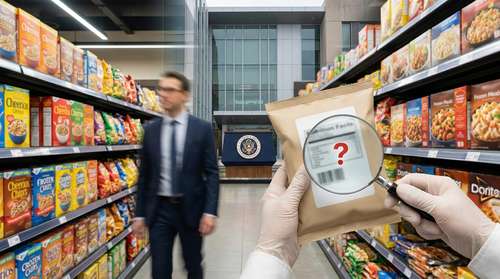
For the food industry, the shift represents an existential threat to manufacturers of ultra-processed foods. With real food vs processed food now the central framing of federal policy, companies producing refined grains and sugary beverages face a hostile regulatory environment. Conversely, the beef, dairy, and regenerative agriculture sectors are poised for a renaissance, bolstered by a government that finally classifies their products as health foods rather than health risks.