As the search for effective longevity therapies intensifies, a groundbreaking study published on April 6, 2026, has shifted the paradigm of anti-aging science. For years, scientists have explored how compounds like NMN (nicotinamide mononucleotide) might slow the biological clock. Now, the latest longevity research news reveals a profound breakthrough: NMN can actively halt and even reverse precancerous changes in the stomach lining. By preserving cellular integrity and preventing what scientists call cellular drift, this discovery positions NMN for cancer prevention as one of the most promising frontiers in modern medicine. Welcome to a new era of healthvot healthy aging, where extending lifespan also means preserving tissue health at the most fundamental genetic level.
The Danger of Cellular Reprogramming
To understand how NMN protects the body, we must first examine what happens to our tissues as we get older. A hallmark of the aging process is a phenomenon known as cellular reprogramming, or cellular drift. Over time, cells can quite literally forget who they are. In the context of the stomach lining, this loss of identity leads to a precancerous condition called Gastric Intestinal Metaplasia (GIM). During GIM, stomach cells aberrantly transform into intestinal-like cells, significantly elevating the risk of gastric cancer.
Historically, the medical community viewed these precancerous tissue changes as a one-way street. Once a stomach cell drifted into an intestinal phenotype, the damage was considered permanent. This makes the ability to manipulate cellular identity through metabolic intervention a true paradigm shift in how we approach cancer risk. The connection between cellular identity and aging has long puzzled oncologists and gerontologists alike. Why do these cells suddenly switch their structural roles? The new study, conducted by researchers at Zhengzhou University in China, confirms that age-related metabolic decline is the primary culprit. As cellular energy networks fail, the genetic safeguards that keep a stomach cell acting like a stomach cell begin to weaken, paving the way for precancerous mutations.
The Power of NAD+ and Sirtuin Enzymes
The biological key to preventing this dangerous drift lies in NAD+ and sirtuin enzymes. Sirtuins operate as the body's master gene regulators. They are responsible for turning specific genes on or off to maintain optimal cellular health. However, sirtuins are entirely dependent on NAD+ (nicotinamide adenine dinucleotide) to function. As we age, our natural NAD+ levels plummet, leaving sirtuins without the vital fuel they need to execute their protective duties. Because the NAD+ molecule itself is too large to efficiently enter cells on its own, precursors like NMN are required to bridge the gap. Once inside the cell, NMN rapidly converts into NAD+, flooding the system with bioenergetic fuel.
In the April 2026 study, researchers discovered that NAD+ depletion directly impairs sirtuin function. This impairment turns off a crucial gene called SOX2, which is responsible for maintaining the strict identity of stomach cells. When the scientists introduced NMN, the results were striking. The newly fueled sirtuins successfully turned the SOX2 gene back on. Furthermore, NMN relocated SOX2 directly into the cell nucleus. Once inside the nucleus, SOX2 could access DNA to properly modulate genes, fully restoring the stomach cells' original identity and stopping the precancerous drift in its tracks.
Landmark Findings from 2026 Organoid and Mouse Models
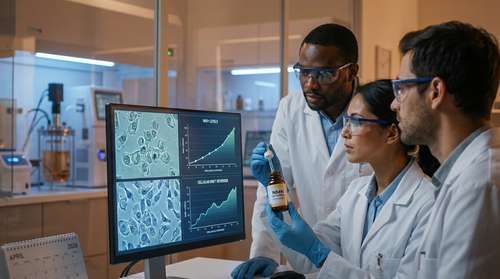
To test the extent of these NMN supplement benefits 2026, the Zhengzhou University team utilized advanced biological models, including human-derived organoids (miniature lab-grown organs) and four distinct mouse models. In the organoids designed specifically to mimic human GIM, applying NMN radically shifted the cellular composition back from an intestinal-like state to a healthy stomach profile. The treatment actively lowered crucial proteins like CDX2, the master gene regulator that triggers GIM in the first place.
Combating Bacterial Inflammation and Tissue Decay
The researchers also tested mice infected with Helicobacter pylori, a bacterium universally recognized as the most common driver of GIM and stomach cancer. The introduction of NMN dramatically reduced harmful inflammation in the stomach lining. In another specialized mouse model engineered to lack stomach acid production, NMN successfully mitigated severe tissue deterioration. These comprehensive results demonstrate that restoring NAD+ doesn't just pause tissue damage; it actively helps reverse biological age markers in the affected organs.
Expanding the Frontier of Preventive Medicine
The implications of this peer-reviewed study extend far beyond gastroenterology. If boosting NAD+ can successfully prevent cellular reprogramming in the digestive tract, researchers are highly optimistic that similar mechanisms might protect other vital organs from age-related deterioration and malignant transformation. This breakthrough cements the therapeutic potential of NAD+ precursors, shifting the scientific conversation from merely extending lifespan to actively preventing age-driven diseases before they take root.
In fact, the broader scientific community has been exploring sirtuin modulators in oncology for over a decade. Earlier clinical research demonstrated that activating sirtuins could reduce tumor cell proliferation, but the specific mechanics of cellular identity restoration achieved by NMN provide a much more precise target for future therapies. While human clinical trials will be the next necessary step to solidify specific oncological dosing protocols, the current data offers immense hope. By maintaining the delicate epigenetic balance of our cellular identities, we are not just adding years to our lives. We are ensuring those years remain vibrant and disease-free. The proven ability to halt precancerous cellular drift stands as a monumental victory for longevity science and a massive leap forward for preventive healthcare.