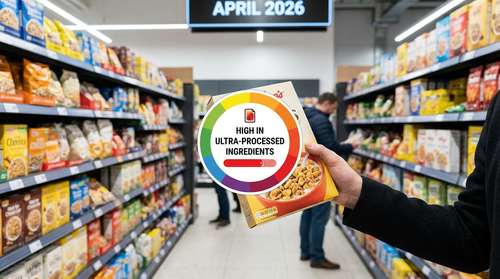
The American grocery experience is on the brink of a historic transformation. Following intense debate and mounting public health concerns, the Department of Health and Human Services (HHS) is finalizing a stringent framework that will fundamentally alter how consumers evaluate their groceries. At the center of this shift is the highly anticipated ultra-processed food definition 2026, expected to be unveiled by April. With HHS Secretary Robert F. Kennedy Jr. spearheading the initiative, this landmark classification will immediately trigger the rollout of mandatory, color-coded front-of-package warning labels across U.S. supermarkets.
The April Deadline and Identifying Ultra-Processed Foods
For years, public health advocates and nutritionists have struggled with identifying ultra-processed foods uniformly. While widespread consensus links heavily manufactured products to chronic conditions like cardiovascular disease, diabetes, and obesity, the lack of a federal standard left a massive regulatory void in the United States. Researchers typically relied on the international NOVA classification system, but regulators needed a domestic legal framework to enforce packaging changes. That ambiguity ends next month.
Speaking to industry stakeholders late Monday and doubling down in a Tuesday morning press briefing, HHS officials confirmed that the final language for the upcoming definition is in its last stages of review. Once published in April, the ruling will provide an unequivocal benchmark for the agricultural and manufacturing sectors. Products heavily reliant on synthetic additives, untested emulsifiers, and extreme processing techniques will finally be categorized under a strict federal umbrella. This move sets the stage for a dramatic overhaul in consumer transparency, paving the way for sweeping changes to packaging requirements nationwide.
The Stoplight System: Front-of-Package Labeling FDA Plans
The impending definition is just the first step; the visual execution is where shoppers will feel the immediate impact. The focus now turns to the front-of-package labeling FDA requirements, which are transitioning from previous black-and-white proposals into a stark "stoplight" warning system preferred by the current administration.
Under the new directives, packaging will feature prominent red, yellow, or green indicators. These health warnings on food labels are designed to immediately alert buyers to dangerous levels of sodium, added sugars, and synthetic dyes without requiring them to decipher the traditional, microscopic nutrition facts panel hidden on the back of the box. A "red light" will serve as a direct indicator that a product is highly processed and potentially detrimental to long-term health. The goal is to make the shopping experience frictionless for health-conscious families, forcing manufacturers to compete on actual nutritional quality rather than clever marketing.
The Driving Force: Robert F. Kennedy Jr Nutrition Policy
This aggressive regulatory timeline is the cornerstone of the broader Robert F. Kennedy Jr nutrition policy. Since taking the helm at HHS, Kennedy has consistently targeted the synthetic food ecosystem, pointing to the estimated 70 percent of the American diet currently dominated by heavily modified products.
His strategy is deeply intertwined with the Make America Healthy Again food rules. Recent administration reports emphasize that tackling the root causes of the childhood chronic disease epidemic requires confronting food manufacturers head-on. By fast-tracking these color-coded warnings, Kennedy is betting that market pressure will succeed where voluntary industry guidelines have failed. Shoppers armed with immediate, visual data are far less likely to purchase "red-light" items for their children, effectively using consumer economics to drive systemic health improvements. The administration is essentially betting that transparency will naturally price inferior ingredients out of the market.
What New FDA Nutrition Standards Mean for the Food Industry
For grocers and major food conglomerates, the countdown to April has triggered widespread anxiety and a frantic rush toward product reformulation. The implementation of these new FDA nutrition standards means legacy brands can no longer hide excessive sugars or artificial preservatives behind vague packaging claims of being "natural" or "diet-friendly."
Industry analysts predict that the rollout of the stoplight system will cost the packaged food sector hundreds of millions in initial relabeling expenses over the next few years. However, the true financial impact lies in consumer behavior shifts. Major food corporations are already quietly reformulating popular snacks, cereals, and baked goods to avoid the dreaded red label. Retailers are preparing for a massive shift in shelf real estate, anticipating that green-lit, minimally processed whole foods will soon demand premium placement in aisles historically dominated by junk food.
Legal challenges from powerful agricultural lobbies are expected, but the HHS appears entirely prepared for the fight. Ultimately, the April 2026 deadline represents a point of no return for American food policy. As the government prepares to pull the curtain back on the chemical makeup of everyday snacks, shoppers will soon have the power to make fully informed dietary decisions before a product ever hits their checkout cart.