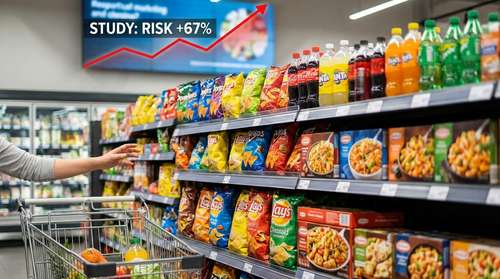
In urgent policy discussions dominating medical circles this weekend, health advocates are demanding rapid federal action following a staggering new disclosure regarding the American diet. As the food and beverage industry braces for historic regulatory changes expected any day now, a blockbuster presentation at the American College of Cardiology’s 2026 Scientific Session (ACC.26) has laid bare the fatal cost of modern convenience. The research confirms that individuals consuming nine or more servings of ultra-processed foods each day face a 67% higher risk of suffering a heart attack, stroke, or fatal cardiovascular event compared to those eating one serving or less.
This data underscores an escalating ultra-processed foods heart disease risk that millions of consumers unknowingly face every time they navigate a grocery store aisle. The findings add immense pressure on the U.S. Food and Drug Administration, which is slated to release its highly anticipated guidelines later this month.
The Staggering Findings of the UPF Cardiovascular Health Study 2026
Researchers analyzed data from over 6,800 adults aged 45 to 84 who had no prior history of heart disease, participating in the Multi-Ethnic Study of Atherosclerosis (MESA). The resulting UPF cardiovascular health study 2026 offers one of the most comprehensive looks at how industrially manufactured foods damage our bodies over time.
According to lead author Dr. Amier Haidar, a cardiology fellow at UTHealth Houston, the danger isn't just about excess calories or poor nutritional value. Even after researchers controlled for traditional risk factors like obesity, diabetes, and overall diet quality, the severe health impacts remained. Each additional daily serving of these foods drove up the likelihood of an adverse cardiac event by 5.1%.
Disparities in the Highly Processed Foods Health Impact
The highly processed foods health impact is not distributed equally across demographics. The study revealed a particularly severe trend among Black Americans, who experienced a 6.1% increased risk of cardiovascular events with every extra daily serving, compared to a 3.2% increase for other demographics. Experts point to minority-targeted food marketing and systemic neighborhood environmental factors—often termed food swamps—that limit access to fresh, whole foods. This reality forces medical professionals to view the issue not just as a matter of personal choice, but as a systemic public health crisis requiring immediate intervention.
Decoding the Nova Food Classification System
What exactly qualifies as ultra-processed? To track consumption, researchers relied on the Nova food classification system, an internationally recognized framework that categorizes food into four groups based on the extent of industrial processing.
While Group 1 includes unprocessed or minimally processed items like fresh fruit, eggs, and raw nuts, Group 4 contains the ultra-processed offenders. These are products created through complex industrial techniques, loaded with synthetic emulsifiers, artificial colors, and preservatives. Common staples falling into this category include:
- Packaged snacks, chips, and crackers
- Frozen meals and instant noodles
- Sugary breakfast cereals
- Mass-produced breads and baked goods
- Hot dogs and processed deli meats
Currently, these items make up more than 60% of the daily caloric intake for the average American adult, creating a physiological crisis hidden in plain sight.
The Imminent FDA Ultra-Processed Food Definition
This weekend's renewed push from medical societies aligns perfectly with Washington's shifting regulatory landscape. Driven by the Make America Healthy Again agenda championed by HHS Secretary Robert F. Kennedy Jr., the government is preparing a massive overhaul of food policy. Industry insiders expect the formal FDA ultra-processed food definition to be finalized and released at any moment this April.
Defining these products at the federal level is the crucial first step toward sweeping changes in how food is marketed and sold in the United States. Once established, this baseline metric will likely pave the way for strict, mandatory front-of-package warnings. These new nutrition labels for heart health would utilize intuitive graphics—such as a red, yellow, and green traffic light system—to instantly alert shoppers to the presence of harmful chemical additives and heavy industrial processing. For brands heavily reliant on artificial formulations, this transparency mandate could spark drastic reformulations.
Transitioning to a Heart Attack Prevention Diet
While regulatory agencies battle over chemical definitions and warning labels, consumers can take immediate, practical action to protect their cardiovascular well-being. Formulating a robust heart attack prevention diet doesn't require a medical degree or complex dietary math, but it does demand a fundamental shift in daily shopping habits.
Start by redefining convenience. To drastically cut your exposure to dangerous additives, focus your grocery shopping on the perimeter of the store where fresh produce, raw nuts, lean proteins, and simple dairy products are typically stocked. Swap out pre-packaged energy bars or flavored chips for whole, single-ingredient foods.
Furthermore, begin auditing your pantry. When you do purchase packaged items, inspect the ingredient list meticulously. A general rule of thumb endorsed by lifestyle medicine physicians: if an item contains substances you wouldn't keep in a standard home kitchen—such as modified food starches, hydrogenated oils, or high-fructose corn syrup—it is ultra-processed and best left on the shelf. The latest clinical data proves beyond a doubt that every single serving matters. By incrementally cutting back on industrial food products and prioritizing whole foods, you can significantly alter your long-term health trajectory and dramatically safeguard your heart.