A breakthrough study published today in the Journals of Gerontology suggests that the common shingles vaccine may offer profound anti-aging benefits that extend far beyond preventing a painful rash. Researchers at the University of Southern California (USC) Leonard Davis School of Gerontology have found that older adults who received the shingles vaccination possess significantly "younger" biological markers compared to their unvaccinated peers. This discovery adds a powerful new dimension to our understanding of healthy aging interventions, proposing that boosting immunity against latent viruses could be a key strategy in the fight to slow biological aging.
Shingles Vaccine Linked to Slower Biological Aging
The USC longevity study 2026, funded by the National Institutes of Health (NIH), analyzed data from the U.S. Health and Retirement Study, a large-scale investigation into the health and economic circumstances of Americans over 50. By examining blood samples and health records from more than 3,800 participants aged 70 and older, the research team identified a striking correlation: vaccinated individuals demonstrated decelerated biological age vs chronological age.
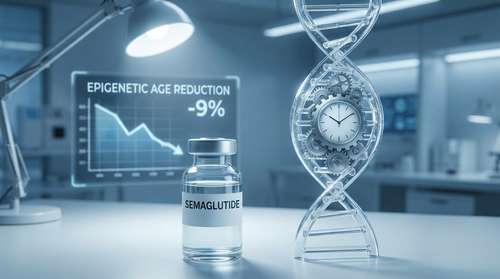
"Our findings indicate that the shingles vaccine influences key domains linked to the aging process," said Dr. Jung Ki Kim, the study's lead author and research associate professor at USC. Even after adjusting for sociodemographic factors, chronic health conditions, and lifestyle behaviors, the vaccinated group consistently showed lower levels of systemic inflammation and reduced epigenetic clock acceleration—a method used to measure the rate at which cells degrade over time.
The "Inflammaging" Connection
Why would a vaccine designed for a skin rash slow down the aging process? The answer likely lies in a phenomenon scientists call "inflammaging"—the chronic, low-grade inflammation that naturally increases as we get older. This persistent inflammatory state is a known driver of major age-related diseases, including heart disease, frailty, and Alzheimer's.
The virus that causes shingles, varicella-zoster, never truly leaves the body after a childhood chickenpox infection. It lies dormant in nerve cells, constantly forcing the immune system to work to keep it suppressed. "By helping to reduce this background inflammation—possibly by preventing subclinical reactivation of the virus—the vaccine may play a role in supporting healthier aging," Kim explained. Essentially, by giving the immune system a helping hand, the vaccine may free up biological resources that would otherwise be spent fighting the latent virus, thereby reducing the cumulative wear and tear on the body.
Epigenetic Clock Research
One of the most compelling aspects of the study involved epigenetic clock research. These molecular clocks analyze DNA methylation patterns to estimate a person's biological age, which can be distinct from the number of candles on their birthday cake. The study found that shingles vaccination was associated with slower transcriptomic and epigenetic aging, suggesting the protective effects penetrate deep into the cellular machinery.
Implications for Healthy Aging Interventions
This research builds on a growing wave of evidence linking vaccinations to broader longevity benefits. Recent studies in 2024 and 2025 had already established a link between the shingles vaccine and reduced dementia risk. The new USC findings provide a biological mechanism for those observations, suggesting that the neuroprotective benefits might be part of a systemic slowdown in aging.
Dr. Eileen Crimmins, a senior author of the study and expert in NIH aging research, noted that while the data primarily reflects recipients of the older Zostavax vaccine (which was standard during the data collection period), the implications for the newer, more potent Shingrix vaccine could be even more significant. "This adds to a growing body of work suggesting that vaccines may play a role in healthy aging strategies beyond solely preventing acute illness," Crimmins stated.
A New Frontier in Geroscience
The concept that a standard medical intervention could act as a shingles vaccine anti-aging therapy aligns with the goals of geroscience: treating the underlying biology of aging to delay multiple diseases simultaneously. While scientists are still working on futuristic longevity drugs, this study suggests that one of the most effective tools for how to slow biological aging might already be available at your local pharmacy.
As research continues, the medical community may begin to view adult vaccination schedules not just as infection control, but as a fundamental pillar of longevity medicine. for now, the message for older adults is clear: keeping up with vaccinations is one of the most scientifically validated steps you can take to protect your future health.