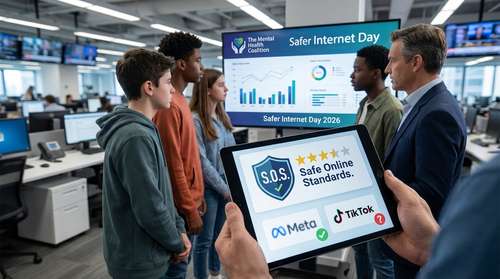
On February 10, 2026, a groundbreaking initiative aimed at protecting youth mental health officially launched, signaling a new era of accountability for Big Tech. The Safe Online Standards (S.O.S.), introduced by The Mental Health Coalition on Safer Internet Day, represents the world's first expert-driven rating system designed to evaluate how platforms like Meta, TikTok, and YouTube impact the well-being of users aged 13 to 19. Spearheaded by fashion icon and activist Kenneth Cole, this initiative provides parents with a transparent, color-coded guide to navigating the digital landscape, addressing critical issues from social media addiction in teens to algorithmic safety.
A New Standard for Digital Safety
For over a decade, parents have navigated the complexities of social media with little more than intuition and patchwork advice. The S.O.S. initiative changes that dynamic by introducing a standardized, evidence-based evaluation system. Developed by a panel of global mental health experts, the system assesses platforms on their ability to protect adolescents from harms such as algorithmic addiction, cyberbullying, and exposure to self-harm content.
"Standards and ratings are commonplace today, except in the online technology space," stated Dr. Dan Reidenberg, Director of S.O.S. at The Mental Health Coalition. "The public and advertisers want to know what is a safer place for youth and young adults in their online activities, and now we can help them with that."
The system is voluntary but rigorous. Participating companies submit detailed documentation regarding their product design, safety features, and content moderation policies. These submissions are then audited by independent experts who assign a rating based on performance. The highest distinction—a "Blue Shield" badge indicating a platform is "Use Carefully"—is reserved for apps that demonstrate robust, proactive measures to safeguard user mental health. Lower tiers include "Partial Protection" and "Does Not Meet Standards," offering a clear warning signal to families.
Tech Giants Step Up for Safer Internet Day 2026
The launch of S.O.S. coincides with Safer Internet Day 2026, a global event that has increasingly focused on the intersection of technology and well-being. In a significant move, major industry players including Meta (Facebook and Instagram), TikTok, and Snap have agreed to be the inaugural cohort for evaluation. This participation marks a shift from resistance to cooperation, likely driven by mounting public pressure and the looming threat of stricter government regulation.
Immediate Reactions from the Industry
Snap, the parent company of Snapchat, was among the first to publicly embrace the new standards. Jacqueline Beauchere, Global Head of Platform Safety at Snap, expressed enthusiasm for the initiative, stating the company is "pleased to share that we will join the inaugural cohort, conduct the self-assessment, and undergo the S.O.S. evaluation in 2026."
Similarly, Meta's Global Head of Safety, Antigone Davis, acknowledged the value of the new framework, noting that the standards provide a meaningful way for the public to evaluate platform protections. This cooperative tone suggests that social media safety ratings may soon become as standard as movie ratings or nutritional labels.
Addressing the Crisis of Teen Mental Health
The urgency behind the S.O.S. launch is underscored by alarming statistics regarding teen mental health and social media. Recent studies continue to link heavy social media use with increased rates of anxiety, depression, and body image issues among adolescents. The S.O.S. criteria specifically target the design features that exacerbate these problems, such as infinite scrolling and push notifications that disrupt sleep.
Kenneth Cole, Founder of The Mental Health Coalition, emphasized that this initiative is about empowering families. "As more of our lives move online, that work must evolve," Cole explained. "Safe Online Standards are not a solution in themselves, but the launch of an ongoing initiative—one that empowers the real stakeholders with a genuine interest in outcomes: users, their parents, and the brands."
What Parents Need to Know Right Now
While the full evaluations for platforms like YouTube and Discord are underway, parents can expect to see the first round of ratings published later this year. In the meantime, the S.O.S. framework highlights several key areas families should monitor to ensure digital wellness for adolescents:
- Algorithmic Transparency: Does the app explain why certain content is shown to your teen?
- Time Management Tools: Are there default settings that limit screen time or encourage breaks?
- Content Filtering: How effectively does the platform block content related to suicide, self-harm, or eating disorders?
As the digital landscape evolves, the S.O.S. ratings promise to be a vital tool for families striving to balance connectivity with safety. By holding tech companies accountable to independent, expert-driven standards, the initiative offers a hopeful path forward in the fight for a healthier digital future for the next generation.