Hospitals and clinics across the United States are reporting a sharp uptick in patient visits this January as two new COVID-19 variants, NB.1.8.1 "Nimbus" and XFG "Stratus," tighten their grip on global transmission. While the XFG Stratus variant is currently driving the bulk of cases in North America and Europe, it is the rapid rise of the NB.1.8.1 Nimbus strain that has health officials on high alert. Patients infected with Nimbus are describing a distinct and excruciating symptom—a "razor blade" sore throat—that sets this lineage apart from previous Omicron waves. As we navigate the early weeks of 2026, understanding the specific signs of these new variants is critical for timely diagnosis and treatment.
The Rise of NB.1.8.1: Why 'Nimbus' is Different
The NB.1.8.1 variant, colloquially dubbed "Nimbus," has quickly become the dominant strain in parts of Asia and the Western Pacific, including Japan and Australia, and is now gaining significant traction in the U.S. Unlike the general scratchiness associated with earlier Omicron sub-lineages, Nimbus is aggressively targeting the upper respiratory tract's mucosal lining. This has led to the emergence of the razor blade sore throat phenomenon—a stabbing, glass-like pain that patients report is most severe when swallowing.
Virological data indicates that NB.1.8.1 possesses a unique set of spike protein mutations that allow it to bind more tightly to ACE2 receptors in the throat than its predecessors. This "super-binding" capability explains not only the intensity of the throat pain but also the variant's high transmissibility. While it hasn't shown a higher rate of hospitalization for severe lung disease, the sheer discomfort and debilitation caused by the throat symptoms are causing a surge in urgent care visits.
XFG 'Stratus': The Silent Spreader in the West
While Nimbus grabs headlines for its symptom intensity, the XFG "Stratus" variant remains the primary driver of the current winter wave in the United States, United Kingdom, and Canada. Stratus is a recombinant lineage, blending genetic traits from previous successful strains to evade immunity. It is often described as "stealthier" because its symptoms align more closely with the standard "Omicron profile"—runny nose, mild fatigue, and congestion—making it easy to mistake for a common cold or seasonal allergies.
Despite its milder symptom profile compared to Nimbus, XFG Stratus is exceptionally contagious. Health data from early 2026 suggests that Stratus has a significant growth advantage over older strains, allowing it to reinfect individuals who may have had COVID-19 as recently as late 2025. The danger with Stratus lies in complacency; because symptoms feel manageable for many, infected individuals often skip testing and continue to spread the virus in workplaces and schools.
Key Symptoms to Watch in January 2026
Distinguishing between the new variants and other seasonal illnesses like the flu or RSV can be difficult without testing, but certain patterns have emerged. If you are feeling unwell this month, look out for these specific signs:
- Nimbus (NB.1.8.1): Severe, sharp "razor blade" pain in the throat (often the first symptom), fever, and intense fatigue.
- Stratus (XFG): Persistent nasal congestion, sneezing, dry cough, and mild muscle aches.
- General Signs: Loss of taste or smell is becoming rare again, while gastrointestinal issues remain a less common but possible symptom for both variants.
Updated Vaccines and Treatments for 2026
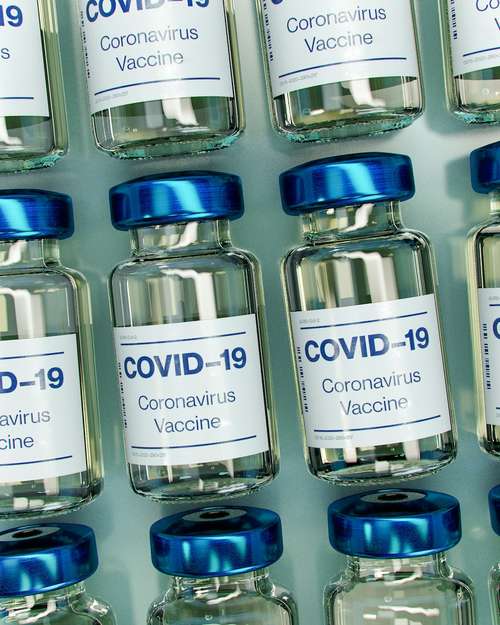
The good news is that the updated COVID vaccine 2025-2026 remains highly effective against severe outcomes for both Nimbus and Stratus. Pharmaceutical manufacturers updated the formulations late last year to target the JN.1 lineage, which is the parent of both new variants. Recent lab studies confirm that while these variants are "immune slippery," recent boosters still generate a robust antibody response that prevents hospitalization and death.
For those who test positive, antiviral treatments like Paxlovid are still the first line of defense, particularly for high-risk individuals. However, doctors are advising patients with the NB.1.8.1 variant to start symptom management early. Over-the-counter pain relievers and numbing throat sprays are becoming essential tools for managing the "razor blade" discomfort during the acute phase of the infection.
Navigating the Winter Surge
As we move further into 2026, the dual circulation of Nimbus and Stratus represents the "new normal" of viral evolution. The virus is becoming more specialized—some branches getting better at spreading quietly (Stratus), others developing intense localized symptoms (Nimbus). Public health officials continue to recommend rapid testing if you develop any respiratory symptoms, especially that tell-tale sharp sore throat. Staying up to date with the latest COVID variant 2026 information and vaccine boosters remains your best strategy for a healthy winter.