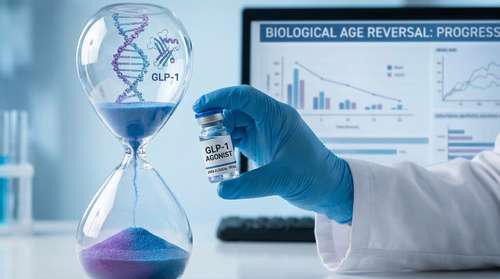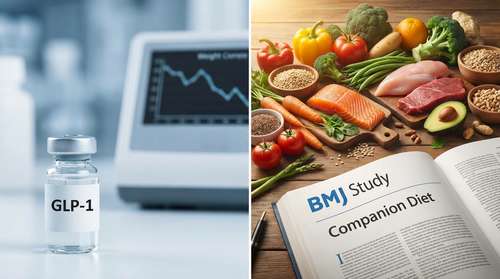
A landmark study published in The BMJ on January 29, 2026, has confirmed what many health professionals feared: patients who discontinue GLP-1 medications like Ozempic, Wegovy, and Mounjaro face a significantly steeper uphill battle than those relying on traditional weight loss methods. The research reveals a critical "maintenance gap," showing that weight regain happens four times faster post-medication than after stopping lifestyle-based programs. With millions of Americans now navigating life after semaglutide, the findings underscore the urgent necessity of a structured GLP-1 companion diet to prevent the rapid reversal of metabolic health gains.
The 'Rebound Effect': Hard Numbers from the BMJ
The new analysis, which synthesized data from multiple trials involving over 9,000 adults, paints a stark picture of the post-medication landscape. According to the findings, individuals who stop taking GLP-1 receptor agonists regain an average of 0.4 kg (roughly 0.9 lbs) per month. While this might sound manageable initially, the cumulative effect is severe.
Researchers project that at this velocity, body weight and critical cardiometabolic risk markers—such as blood pressure, cholesterol, and HbA1c—typically return to pre-treatment levels within just 1.7 years. For newer, more potent agents like tirzepatide, the rate of regain can be even more aggressive, averaging around 0.8 kg per month.
"This evidence suggests that despite their success in achieving initial weight loss, these drugs alone may not be sufficient for long-term weight control," note the study authors. The data highlights a distinct physiological difference between stopping a drug and drifting from a diet plan; the chemical withdrawal of appetite suppression triggers a biological drive to regain weight that is far more intense than behavioral slippage.
Why 'Companion Diets' Are Critical for Maintenance
The rapid regain phenomenon has birthed a new concept in nutritional science: the GLP-1 companion diet. This approach isn't just about cutting calories; it's about chemically engineering satiety and preserving metabolic engine parts—specifically, lean muscle mass.
The Muscle Preservation Imperative
One of the hidden drivers of rapid weight regain is the loss of lean muscle tissue during the rapid weight loss phase. When patients lose weight quickly on medication, up to 40% of that loss can come from muscle if protein intake is insufficient. Less muscle means a slower resting metabolic rate.
A companion diet focuses heavily on muscle preservation to counteract this. Nutrition experts recommending post-semaglutide nutrition protocols are now advising protein intakes of 1.2 to 1.5 grams per kilogram of body weight. This higher threshold is essential to stimulate muscle protein synthesis in the absence of the drug's anabolic-sparing effects.
Bridging the Maintenance Gap: 2026 Guidelines
To defy the statistics from the BMJ study, patients transitioning off medications are being urged to adopt specific "off-ramping" strategies. The "cold turkey" approach is increasingly viewed as a recipe for metabolic relapse.
Successful weight loss maintenance in 2026 relies on three pillars:
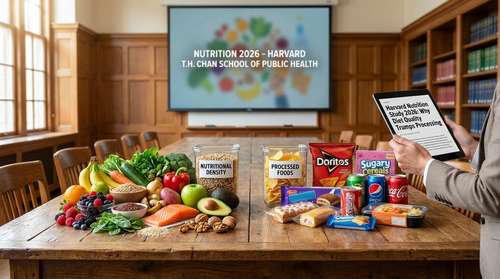
- Nutrient Density Over Calorie Counting: The rebound hunger post-GLP-1 is hormonal. To combat it, diets must be rich in fiber and volume—think cruciferous vegetables, legumes, and whole grains—which mechanically stretch the stomach to signal fullness via alternative pathways.
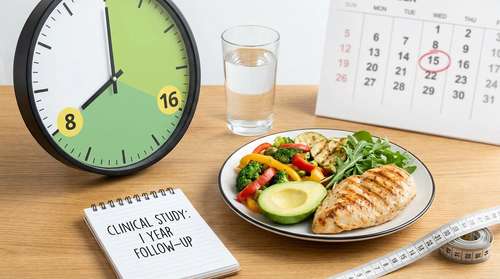
- Structured Tapering: Clinical anecdotes suggest that slowly reducing the dosage over months, rather than stopping abruptly, allows the body's natural hunger cues to recalibrate more gently.
- Resistance Training Integration: Combining a high-protein diet with strength training is the only proven method to rebuild the metabolic rate that often crashes after rapid weight loss.
The Future of BMJ Nutrition Research
This January 2026 study serves as a wake-up call for the medical community. The narrative that GLP-1s are a "permanent fix" is being rewritten to view them as a powerful induction tool that requires a long-term maintenance strategy.
As we move forward, the conversation is shifting from "how much weight can you lose?" to "how well can you engineer your biology to keep it off?" For patients considering or currently discontinuing these medications, the message is clear: the medication may stop, but the nutritional management must intensify. Adopting a rigorous Ozempic rebound prevention plan centered on nutrient density and muscle health is no longer optional—it is the prerequisite for lasting success.