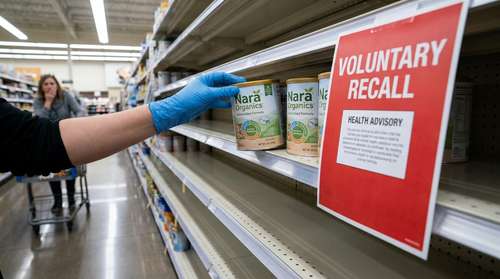
Federal health agencies have launched an urgent multistate investigation following a cluster of severe illnesses linked to a popular organic baby formula. In response to the growing concern, the manufacturer has issued a nationwide Nara Organics infant formula recall, urging parents and caregivers to immediately discard all lots of its powdered formula. The sweeping recall comes after multiple babies were hospitalized with a rare but potentially fatal neurological condition, prompting a swift, coordinated response from the Centers for Disease Control and Prevention (CDC) and the Food and Drug Administration (FDA). Public health officials are actively warning parents that even a small amount of the contaminated product can pose severe health risks to infants with developing immune systems.
The Infant Botulism Outbreak 2026: FDA and CDC Findings
The FDA and CDC are actively tracking what is now recognized as a critical infant botulism outbreak 2026. According to the latest epidemiological data released in mid-June, three infants across California, Pennsylvania, and Washington have been hospitalized after consuming Nara Organics Whole Milk Organic Powdered Infant Formula. All three babies required intensive medical intervention and were treated with BabyBIG, an FDA-approved botulism immune globulin specifically designed to neutralize harmful toxins. Fortunately, no deaths have been reported at this time, but health officials warn that the investigation remains highly active as they trace the distribution network.
In the wake of these hospitalizations, the manufacturer issued a strict Nara Organics powdered formula warning and voluntarily pulled all affected products from retail shelves out of an abundance of caution. The severity of the situation has drawn immediate attention from federal lawmakers, with Congresswoman Rosa DeLauro releasing a public statement emphasizing the need for rigorous oversight in infant nutrition manufacturing. Meanwhile, local health departments from California to New Hampshire have issued simultaneous advisories, mobilizing to ensure parents are informed before more babies are exposed.
Understanding Clostridium Botulinum Baby Formula Risks
The core of this investigation centers on Clostridium botulinum baby formula contamination. Infant botulism occurs when a baby ingests the microscopic spores of the Clostridium botulinum bacteria. Unlike older children and adults, infants under one year old have immature digestive tracts that allow these spores to colonize the large intestine. Once established, the bacteria produce a potent neurotoxin that attacks the nervous system, leading to rapid and severe neurological impairment. Federal laboratories are currently conducting extensive testing on leftover formula samples to confirm the exact source of the pathogen.
Critical Infant Botulism Symptoms to Watch For
Health authorities emphasize that parents must remain highly vigilant, as the incubation period for this illness can be deceptive. The amount of exposure to the toxin dictates how quickly symptoms manifest, ranging from a few hours to several weeks after the infant last consumed the compromised product.
Caregivers should immediately seek emergency medical care if their baby exhibits any common infant botulism symptoms. Early warning signs often include:
- Constipation: Often the very first indicator of the illness, appearing before any noticeable muscle weakness.
- Extreme muscle weakness: Frequently described as floppy baby syndrome, characterized by a sudden loss of head control.
- Poor feeding: A sudden difficulty in sucking and swallowing during meal times.
- Facial changes: Drooping eyelids (ptosis), sluggish pupils, and decreased facial expressions.
- Weak cry: A noticeable, distinctive alteration in the baby's usual cry.
Without immediate medical intervention, these symptoms can escalate rapidly to severe respiratory difficulty or even full respiratory arrest.
Baby Formula Recall Target Instructions: Next Steps for Parents
For families currently using this product, immediate action is non-negotiable. The baby formula recall Target shoppers are experiencing applies to all lot codes and can sizes of Nara Organics Whole Milk Infant Formula (both 400g and 700g varieties) distributed between July 2025 and June 2026. The recalled products were sold nationwide at Target retail locations, on Target.com, and directly through the Nara Organics website.
State Departments of Agriculture and public health officials have confirmed that Target stores have pulled the remaining stock from their shelves, but countless cans may still be sitting in household pantries. If you have this formula at home, follow these essential safety protocols:
- Stop feeding immediately: Do not use the formula under any circumstances, even if your baby has already consumed some without showing signs of illness.
- Discard or return: You can safely throw unopened or leftover cans away, or return them to any Target location for a full refund. Nara Organics is also processing automatic refunds for direct website purchases made in May and June 2026.
- Sanitize feeding equipment: Thoroughly wash and sanitize all bottles, nipples, and kitchenware that came into contact with the recalled formula using hot, soapy water or a dishwasher.
For parents who suspect their child may be developing symptoms, health departments advise labeling the leftover formula cans as "DO NOT USE" and storing them safely away from other food items. Local health officials may need to collect these specific cans for laboratory testing to aid in the ongoing federal investigation. If your baby shows no symptoms after a full 30-day monitoring period, the retained product should then be permanently discarded. Families are advised to consult their pediatrician immediately for safe, FDA-approved feeding alternatives while this outbreak investigation continues.