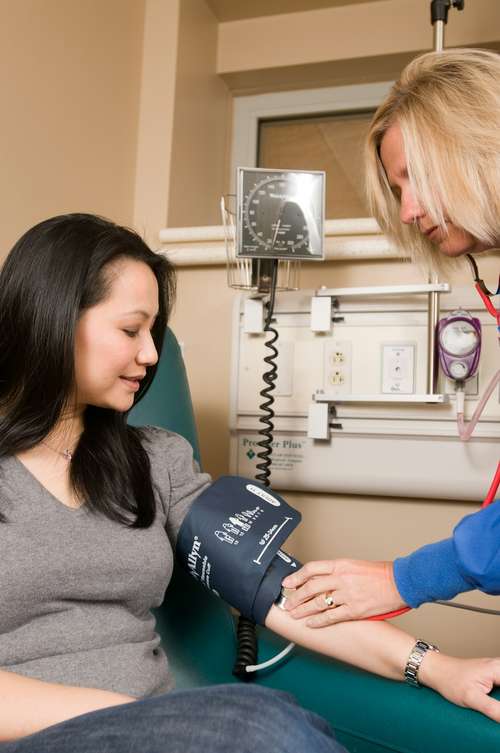
A groundbreaking new study published this week has fundamentally changed our understanding of prenatal health, revealing that elevated maternal blood pressure is a direct cause of 24 distinct adverse pregnancy outcomes. The massive research project, released on January 14, 2026, in the journal BMC Medicine, analyzed genetic data from over 700,000 women to provide the strongest evidence to date that even modest increases in blood pressure can significantly jeopardize both maternal and fetal health.
The Link Between Blood Pressure and Pregnancy Complications
For decades, doctors have known that high blood pressure is dangerous, but new findings from the University of Bristol have pinpointed the exact risks with unprecedented precision. The study, which stands as the largest of its kind, utilized a sophisticated method called Mendelian randomization to separate cause and effect from other influencing factors like weight or socioeconomic status.
The results are stark: a genetically predicted 10 mmHg increase in systolic blood pressure was associated with a 12% higher risk of preterm birth risk and an 11% increased likelihood of requiring induced labor. Furthermore, the research linked elevated pressure to a heightened risk of gestational diabetes and the necessity for neonatal intensive care unit (NICU) admissions.
Fernanda Morales-Berstein, the study’s lead author and a research associate at the University of Bristol, emphasized the clinical urgency of these findings. "Our findings suggest that higher maternal blood pressure increases the risk of multiple adverse pregnancy outcomes, including preterm delivery, giving birth to smaller babies, needing to have labor induced, gestational diabetes, and the baby needing to be admitted to a neonatal intensive care unit," she stated.
Why This 2026 Research Changes Everything
Previous studies on high blood pressure in pregnancy were often observational, meaning they could observe patterns but couldn't definitively prove that blood pressure caused the complications. Often, confounding factors like obesity or age muddled the results. This University of Bristol research eliminates those biases by looking at genetic variants that predispose women to higher blood pressure, effectively mimicking a randomized controlled trial.
Specific Risks Identified
The pregnancy complications 2026 data highlights a broad spectrum of risks that go beyond just preeclampsia. The study found definitive causal links to:
- Low Birth Weight: Higher pressure was strongly linked to babies being born Small for Gestational Age (SGA).
- Gestational Diabetes: A surprising and significant link was found between blood pressure and the development of diabetes during pregnancy.
- NICU Admissions: Infants born to mothers with elevated pressure were more likely to require intensive care immediately after birth.
Interestingly, the study also found that higher blood pressure decreased the risk of having a large-for-gestational-age baby or a post-term birth, likely because the condition restricts fetal growth and often necessitates earlier delivery.
Implications for Prenatal Health Monitoring
These findings underscore the critical importance of rigorous prenatal health monitoring. With approximately 1 in 10 pregnant women affected by high blood pressure, the potential for preventative intervention is enormous. Maria Magnus, a senior researcher at the Norwegian Institute of Public Health and co-author of the study, noted that as maternal age and obesity rates rise, the burden of hypertension in pregnancy is growing.
The "gestational diabetes study" aspect of these findings is particularly novel, suggesting that blood pressure management could be a key component in preventing metabolic complications that affect both mother and child long-term.
Actionable Steps for Expectant Mothers
While the study highlights genetic predispositions, it also empowers patients and providers to take action. Regular screenings and early interventions are now more vital than ever. Medical experts suggest that maintaining optimal blood pressure through lifestyle changes—or medication when prescribed—could mitigate these risks significantly.
This landmark research serves as a wake-up call for healthcare systems globally to prioritize cardiovascular health in maternity care. By addressing maternal blood pressure early, we can potentially prevent a cascade of 24 different complications, ensuring safer deliveries and healthier starts for the next generation.