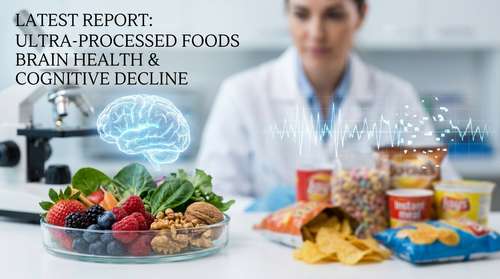
For decades, the conversation surrounding heavily manufactured meals has focused on waistlines and cardiovascular disease, but the spotlight is rapidly shifting to our minds. A definitive report released this week has sent shockwaves through the medical community, firmly establishing the link between ultra-processed foods brain health and accelerated aging. Tracking 30,000 participants over two decades, researchers discovered that a mere 10% increase in the consumption of heavily manufactured meals leads to a staggering 16% higher risk of experiencing cognitive decline.
These findings mark a massive turning point in nutritional neuroscience. Currently, more than 70% of the food supply in the United States consists of ultra-processed items. The new data shows that diets rich in industrial additives and hyper-palatable ingredients do not just deprive the body of essential nutrients; they actively rewire our neural architecture. As experts analyze the fallout, understanding this connection is no longer optional for anyone looking to preserve their memory and executive function well into their later years.
The Mechanics of UPF Cognitive Decline
To grasp why these foods are so damaging, we have to look past simple caloric density. The latest gut-brain axis research indicates that the complex ecosystem of microbes in our digestive tract communicates directly with the central nervous system. Ultra-processed foods (UPFs)—loaded with emulsifiers, colorants, and artificial flavorings—wreak havoc on this delicate biological system.
When these foreign substances enter the digestive tract, they strip away beneficial bacteria, promoting intestinal permeability and systemic inflammation. This inflammatory response doesn't stay confined to the stomach; it crosses the blood-brain barrier. Brain imaging from the 30,000-participant cohort demonstrates physical alterations in consumers of high-UPF diets, including increased cellular density in the hypothalamus—the region managing appetite—and diminished structural integrity in the nucleus accumbens, the brain's reward center.
The result is a direct pathway to UPF cognitive decline. Participants consuming the highest volumes of heavily processed items exhibited severe memory impairment and a marked 25% faster rate of executive function decline. Surprisingly, the study clarifies that this cognitive erosion operates independently of other risk factors and can occur even if a person otherwise follows a seemingly healthy dietary pattern, pointing directly to the processing techniques and chemical additives themselves.
The 2026 Shift: The Food as Medicine Movement
In response to escalating rates of neurological disorders, the medical community is radically changing its approach to patient care. We are witnessing the rapid expansion of the food as medicine movement across major health systems worldwide. Rather than simply treating the symptoms of cognitive impairment with pharmaceuticals, physicians are increasingly issuing "food prescriptions" tailored to combat neuroinflammation and restore systemic balance.
This medical pivot recognizes that diet quality is a foundational driver of long-term neurological outcomes. By screening patients for nutritional deficiencies and connecting them directly with nutrient-dense, whole-food resources, the healthcare industry is attempting to interrupt the cycle of cognitive degradation before the damage becomes irreversible. It is a proactive defense mechanism, leveraging biochemistry to shield our neural pathways from the onslaught of modern industrial diets. Promising substitution analyses even show that replacing just 10% of UPF intake with minimally processed alternatives can drop the risk of dementia by 19%.
Building a Brain-Healthy Diet 2026
Consumers are not waiting for medical intervention to change their habits. The surging demand for ingredient transparency has accelerated clean label food trends, pushing manufacturers to strip artificial stabilizers and synthetic chemicals from their products. Shoppers are increasingly wary of "health halos" on packaged goods, recognizing that even seemingly wholesome items like flavored yogurts or commercial whole-grain breads often harbor the very emulsifiers known to disrupt cognition.
Essential Components of Cognitive Protection
Adopting a brain-healthy diet 2026 style means prioritizing foods that actively nourish the neural network. Nutritionists and neurologists heavily endorse the MIND diet, a scientifically backed hybrid of Mediterranean and DASH eating patterns designed specifically for neuroprotection.
- Dark Leafy Greens: Spinach, kale, and Swiss chard provide essential folate and flavonoids that reduce oxidative stress in brain tissue.
- Antioxidant-Rich Berries: Blueberries and strawberries are packed with polyphenols that improve cellular communication within the brain.
- Healthy Fats: Extra virgin olive oil, fatty fish, and walnuts deliver the vital omega-3 fatty acids critical for maintaining neuronal membrane health.
- Minimally Processed Proteins: Beans, legumes, and poultry offer clean energy without the inflammatory baggage associated with heavily processed meats.
Securing Your Metabolic Brain Health
The stark reality revealed by this week's landmark study is that convenience foods carry a devastating, hidden cost. Every heavily processed snack or convenience meal directly impacts the structural integrity of your mind. Prioritizing your metabolic brain health requires a conscious, daily rejection of the hyper-palatable, chemically engineered products that have colonized supermarket shelves.
Protecting your memory, focus, and executive function is entirely within your control. By embracing whole, single-ingredient foods and understanding the profound, immediate connection between your digestive tract and your mind, you can actively defend against accelerated neurological aging. The transition might require more intentional grocery shopping and time spent in the kitchen, but preserving your cognitive vitality is undeniably the most crucial investment you will ever make.