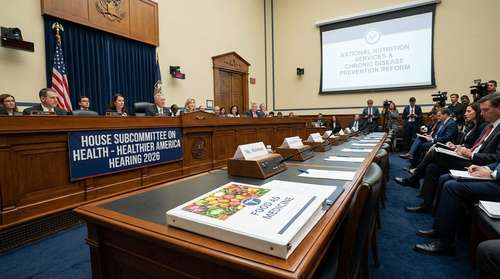
In a historic push to stem the rising tide of diet-related illnesses across the United States, the U.S. House Subcommittee on Health has convened today, April 15, 2026, to debate a transformative legislative package. The highly anticipated Healthier America hearing 2026 signals a fundamental pivot in federal health strategy—moving away from traditional symptom management and toward proactive, diet-centric medical interventions. Lawmakers are currently deliberating on proposals that could reshape everything from clinical healthcare protocols to what ends up on the lunch trays of public schools.
The Push for Food as Medicine Legislation
At the center of today's congressional debates is comprehensive food as medicine legislation. For decades, the medical establishment has relied heavily on pharmaceutical interventions to treat conditions like Type 2 diabetes, obesity, and heart disease. Now, bipartisan lawmakers are pushing to integrate nutritional interventions directly into patient care plans, recognizing that clinical treatments cannot outpace the damage caused by poor diets.
Witnesses testifying before the committee have highlighted the staggering cost of diet-related chronic conditions, which currently account for a vast majority of national healthcare expenditures. Proposed reforms aim to expand Medicaid and Medicare flexibility, allowing physicians to write produce prescriptions and order medically tailored meals for vulnerable patients. Pilot programs at the state level—recently seen in legislative pushes in states like Missouri and Connecticut—have already demonstrated that targeted nutritional interventions can drastically reduce hospital readmission rates and lower overall healthcare costs.
Under the proposed federal models discussed today, healthcare providers would essentially prescribe fresh vegetables and nutrient-dense foods exactly as they would traditional medications. This marks a critical transition in how the medical community views preventative health, offering a lifeline to communities where chronic illnesses have historically run rampant.
Make America Healthy Again Nutrition Policy Takes Center Stage
Today's legislative markup serves as the legislative cornerstone of the broader Make America Healthy Again nutrition policy. Spearheaded over the last year by the Department of Health and Human Services alongside the USDA, the MAHA initiative focuses heavily on identifying and neutralizing the root causes of the nation's escalating health crisis. By targeting environmental factors, corporate food production techniques, and chemical exposures, the administration aims to cut down preventable diseases at their source.
During the House Subcommittee on Health live proceedings, committee leaders emphasized that prioritizing nutrient-dense whole foods is no longer just a lifestyle recommendation, but a matter of national security and economic stability. By expanding national nutrition services funding, particularly in underserved and rural areas, the federal government hopes to eliminate food deserts and give lower-income families realistic access to fresh, unprocessed agricultural products.
Lawmakers are also examining how agricultural subsidies can be realigned to support local farmers growing specialty crops—like fruits, vegetables, and nuts—rather than overwhelmingly favoring commodity crops used to manufacture ultra-processed foods. This shift would provide local growers with the economic certainty needed to supply regional healthcare networks and community nutrition programs directly.
Driving Chronic Disease Prevention Reform
Healthcare professionals and policy experts addressing the subcommittee today underscored the urgent need for structural chronic disease prevention reform. Over sixty percent of American adults currently live with at least one chronic illness, and rates of childhood obesity continue to place an immense burden on the healthcare system. The newly debated measures would close loopholes that allow untested chemical additives and petroleum-based dyes into the food supply without rigorous oversight.
Subcommittee members are actively discussing ways to incentivize employers to adopt preventative health and wellness programs. Legislative frameworks proposed during the session aim to reward direct primary care models and expand Health Savings Accounts (HSAs), shifting resources to keep Americans out of the hospital in the first place.
Aligning with the Federal Dietary Guidelines 2026
The timing of the Healthier America hearing closely aligns with the rollout of the newly updated federal dietary guidelines 2026. These revised standards represent a massive departure from previous iterations, explicitly advising Americans to avoid ultra-processed foods, significantly reduce added sugar intake, and prioritize whole foods over engineered products.
In tandem with these new scientific baselines, lawmakers are looking to fundamentally revise federal school lunch standards. The proposed legislation would mandate that public schools procure a higher percentage of local, unprocessed foods, ensuring that children receive meals that support cognitive development rather than hinder it. Debates are also ongoing regarding how the Supplemental Nutrition Assistance Program (SNAP) can be reformed to incentivize the purchase of healthy foods while restricting taxpayer dollars from subsidizing sugary beverages and empty calories.
Community Impact and the Road Ahead
Implementing these sweeping changes will require unprecedented cooperation between federal agencies, state governments, and community-based organizations. Funding allocations debated in today's session would prioritize grants for local farmers' markets and community health centers, creating a decentralized network of health resources. Advocates argue that treating food as a utility for public health rather than merely a consumer product is the only way to reverse the current trajectory of American life expectancy.
While the initial cost of implementing widespread produce prescriptions and sourcing local ingredients for schools may seem high, economists testifying at the hearing presented compelling data on long-term savings. Preventing just a fraction of the projected cardiovascular and diabetic complications over the next decade would save the healthcare system hundreds of billions of dollars. The consensus echoing through the halls of Capitol Hill today is clear: the United States can no longer afford to subsidize sickness.