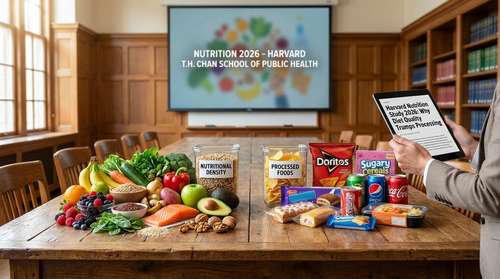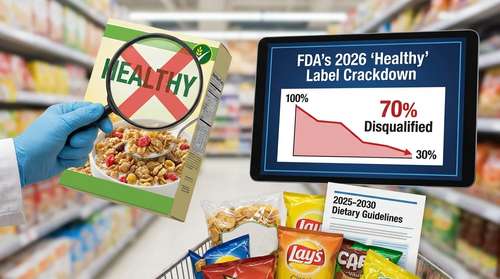
The supermarket landscape is undergoing its most radical transformation in decades. As of early 2026, the Food and Drug Administration (FDA) has officially initiated the enforcement phase of its modernized "healthy" labeling rule, a move that effectively disqualifies thousands of products previously marketed as nutritious. Aligning with the newly released 2025-2030 Dietary Guidelines for Americans, this regulatory overhaul marks the end of the era where sugary cereals and sodium-packed snacks could masquerade as health foods.
The Great Reset: Why 70% of Claims Could Vanish
For nearly 30 years, the definition of "healthy" on food packaging was based on outdated nutrient-isolation standards—primarily focusing on low total fat content while ignoring added sugars. This loophole allowed products like high-sugar, low-fat toaster pastries to bear the "healthy" stamp while nutrient-dense whole foods like salmon and avocados were excluded due to their natural fat content.
The new 2026 enforcement strategy flips the script. Under the finalized rule, a product must now satisfy two rigorous criteria to earn the "healthy" claim:
- Meaningful Food Groups: The product must contain a substantial amount of food from at least one of the recommended food groups (fruits, vegetables, grains, dairy, or protein foods).
- Strict Nutrient Limits: It must adhere to tight caps on added sugars, saturated fats, and sodium.
Industry analysis suggests that up to 70% of the packaged food supply—including many "better-for-you" branded items—fails to meet these new nutrient density standards. The crackdown targets the disconnect between marketing claims and nutritional reality, forcing a massive cleanup of grocery store aisles.
The "Kill List": Popular Foods Losing the Label
Shoppers will notice immediate changes as familiar "healthy" badges disappear from packaging. The new rule specifically targets ultra-processed foods (UPFs) that rely on fortification to appear nutritious. The following categories are facing the steepest decline in eligibility:
- Sweetened Breakfast Cereals: Many popular cereals that previously qualified because they were "low fat" and fortified with vitamins are now disqualified due to added sugar limits (generally capped at 2.5 grams per serving for individual foods).
- Flavored Yogurts: While plain yogurt remains a staple, fruit-flavored varieties often contain more added sugar than a candy bar, stripping them of the "healthy" designation.
- White Bread & Processed Grains: Refined grain products that lack sufficient whole food components no longer make the cut.
- Granola Bars: Often marketed as fitness fuel, these are frequently classified as "candy bars in disguise" under the new sodium and sugar thresholds.
Conversely, raw whole fruits, vegetables, and nutrient-dense foods like nuts and seeds now automatically qualify, correcting the historical error that once penalized them for their natural fat content.
2025-2030 Dietary Guidelines & The War on UPFs
This labeling crackdown is not happening in a vacuum. It is the enforcement arm of the 2025-2030 Dietary Guidelines for Americans, released in January 2026. These guidelines represent a historic pivot toward "nutrient density" and a direct confrontation with the health risks of ultra-processed foods.
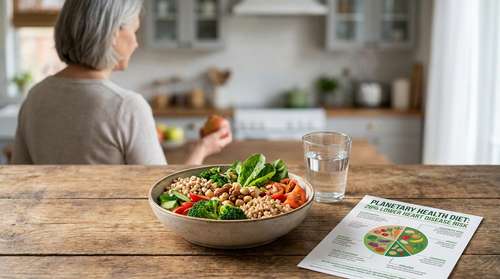
The new federal guidance emphasizes that a healthy dietary pattern consists of nutrient-dense forms of foods and beverages across all food groups, in recommended amounts, and within calorie limits. By synchronizing the FDA's labeling rules with these guidelines, the government is closing the gap between what health experts recommend and what consumers see on the shelf. The explicit goal is to reduce the burden of chronic diseases like type 2 diabetes and heart disease, which have been linked to the overconsumption of UPFs.
What This Means for Shoppers in 2026
For the average American consumer, this shift brings much-needed clarity but requires a new approach to grocery shopping. You can no longer rely on a "healthy" stamp on a box of processed crackers. Instead, the absence of the label on previously trusted brands serves as a silent warning signal.
Navigating the New Aisles
As manufacturers scramble to reformulate their products to meet the new 2026 standards, expect to see a wave of "new recipe" and "reduced sugar" labels. However, the smartest strategy remains unchanged: focus on single-ingredient foods. The new rules validate what nutritionists have said for years—real health comes from whole foods, not processed products with a marketing budget.
This 2026 crackdown is arguably the most significant consumer protection move in food history, finally aligning the definition of "healthy" with actual health.