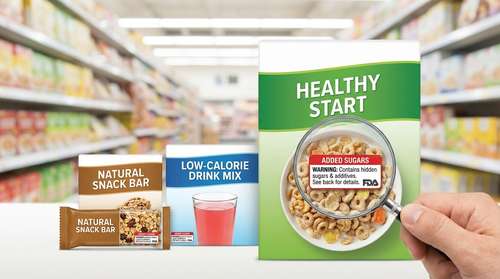
The era of "health-washing" in the grocery aisle may finally be coming to an end. In a sweeping regulatory shift announced Friday, the Food and Drug Administration (FDA) officially initiated its 2026 Priority Roadmap, a comprehensive plan designed to dismantle the deceptive marketing of ultra-processed foods. This aggressive crackdown, heavily influenced by the administration's MAHA nutrition plan, targets the pervasive use of "all-natural" and "organic" buzzwords that mask high levels of alternative sweeteners, synthetic additives, and hidden sugars.
The End of 'Health Halo' Marketing
For years, consumers have navigated a confusing landscape where sugary snacks and processed additives masquerade as health foods. The FDA's new roadmap, released to coincide with the implementation phase of the 2025-2030 Dietary Guidelines, draws a hard line in the sand. Effective immediately, the agency is prioritizing scrutiny on products that claim to be "healthy," "natural," or "wholesome" while containing ingredients that contradict current nutritional science.
The roadmap specifically targets the "health halo" effect—marketing tactics that distract consumers from poor nutritional profiles. "Consumers should not have to be chemists to understand if a product is good for them," the agency stated in its release. The crackdown will focus on three core areas: misleading "natural" claims on products with synthetic additives, the concealment of added sugars under scientific names, and the safety of popular alternative sweeteners.
Front-of-Package Labels: The New Warning System
One of the most significant pillars of the 2026 plan is the accelerated rollout of mandatory front-of-package nutrition labels. Expected to be finalized by May 2026, these new labels will require bold, interpretive warnings on foods that are high in added sugars, sodium, and saturated fats. Unlike the subtle "Facts Up Front" icons of the past, the proposed ultra-processed food warnings will be impossible to miss.
Under the new MAHA-aligned framework, products that exceed specific thresholds for sugar or additives will likely be barred from using terms like "healthy" on the front of the box. This move directly addresses the findings of the 2025-2030 Dietary Guidelines, which for the first time explicitly linked the consumption of ultra-processed foods (UPFs) to rising rates of chronic disease, advising Americans to drastically reduce their intake.
Additives Under the Microscope: BHA and BHT
The roadmap also initiates a systematic safety review of preservatives that have lingered in the food supply for decades. The FDA has flagged BHA (butylated hydroxyanisole) and BHT (butylated hydroxytoluene) for immediate re-evaluation. Often found in cereals, chips, and gum to extend shelf life, these additives have been linked to potential endocrine disruption in animal studies.
While previously classified as "Generally Recognized as Safe" (GRAS), the agency's new stance suggests a shift away from industry self-regulation. If the review confirms safety risks, manufacturers could face a phased ban by the end of the year, forcing a massive reformulation of pantry staples.
Sweetener Safety: Monk Fruit vs. Erythritol
Perhaps the most controversial aspect of the 2026 crackdown is the renewed focus on non-nutritive sweeteners. As sugar becomes public enemy number one, manufacturers have rushed to replace it with alternatives like erythritol and monk fruit. However, the FDA is now distinguishing between natural extracts and highly processed sugar alcohols.
The safety review highlights a growing divide in the monk fruit vs erythritol safety debate. While monk fruit extract remains largely in the clear as a natural sweetener, erythritol is facing intense scrutiny following 2023 and 2024 studies linking high blood levels of the sugar alcohol to increased cardiovascular risk. The 2026 roadmap indicates that products heavily relying on erythritol may soon require specific disclosure labels, warning consumers—especially those with heart conditions—of the potential risks.
What This Means for Your Grocery Cart
As this regulatory machinery gears up, shoppers can expect to see changes on shelves as early as this summer. The definition of "healthy" is being reclaimed from marketing departments and returned to nutritional science. In the interim, experts advise consumers to look beyond the front-of-package buzzwords and scan the ingredient list for the "red flags" identified in the new roadmap: excessive sugar alcohols, chemical preservatives like BHA, and sodium levels that exceed 20% of the daily value per serving.
The message from the FDA is clear: the days of hiding ultra-processed ingredients behind a green leaf logo are numbered. By aligning food policy with the latest health data, the 2026 nutrition crackdown aims to make the healthy choice the easy choice, finally delivering on the promise of transparency for American families.