For the past decade, the American pursuit of perfect health was a solitary, metric-driven obsession. We tracked our sleep cycles, graphed our glucose spikes, and optimized our morning routines with military precision. But an exhausting reality has set in: peak performance does not always equal genuine well-being. This collective burnout has sparked a dramatic shift in how we approach our bodies and minds, making social health 2026 the most viral wellness movement of the year.
As of early April, families across the nation are quietly deleting their hyper-fixated tracking apps. Instead, they are turning to a profound yet simple concept: each other. The era of the isolated biohacker is fading, replaced by a growing demand for shared, restorative experiences that prioritize human connection over algorithmic perfection.
The Over-Optimization Backlash is Real
The turning point arrived when wellness started feeling like an unpaid second job. The Global Wellness Institute formally recognized this exhaustion as the "over-optimization backlash," a cultural recalibration moving away from the competitive self-surveillance of wearable tech. When sleep is scored and every macro is counted, health becomes a performance rather than a lived experience.
Therapists and longevity experts alike have warned that data-driven wellness can easily tip from motivation into fixation. Instead of listening to internal cues, we outsourced our bodily awareness to screens. As health data multiplied, analysis paralysis took over. Today, the cultural mood has decisively shifted toward analog lifestyles that champion rest and emotional regulation over setting new personal bests.
Recent predictive data released in late February by organizations like LifeX Research confirmed what many intuitively felt: when health behaviors shift from supportive to controlling, subjective well-being actually declines. People were achieving perfect biomarkers but feeling more stressed and disconnected than ever. This data-driven revelation has forced a massive industry pivot. The new goal is no longer maximizing metrics at any cost, but rather aligning our daily habits with emotional safety and genuine joy.
Enter the Era of Social Wellness Hubs
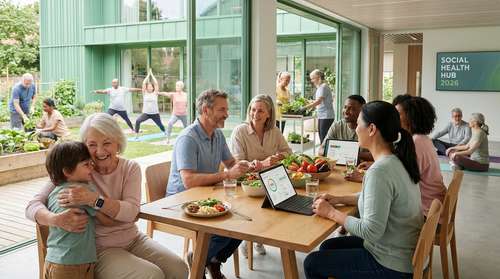
To fill the void left by rigid tracking routines, Americans are flocking to social wellness hubs. Originally popularized by luxury adult-only spaces like Remedy Place and Othership in major coastal cities, the concept has rapidly democratized and expanded in the last few weeks. These spaces blend the physiological benefits of recovery—think social saunas, cold plunges, and breathwork classes—with the emotional uplift of being around others.
Where traditional gyms focus strictly on physical exertion and spas demand quiet isolation, social wellness hubs sit perfectly in the middle. The design of these spaces is highly intentional. Warm woods, gentle lighting, and conversation pits replace harsh fluorescent lights and mirrored walls. They offer a structured environment where organic socialization feels entirely natural.
What makes the current family health trends so fascinating is how these hubs are adapting. We are seeing a surge in community centers and localized wellness clubs redesigning their spaces to accommodate whole families. Instead of a solitary hour on a treadmill with noise-canceling headphones, parents and teenagers are engaging in group sound baths or communal nervous-system regulation practices. It is a fundamental shift from viewing the body as a machine to hack, to viewing it as a state to inhabit alongside your loved ones.
Prescribing Community as Medicine
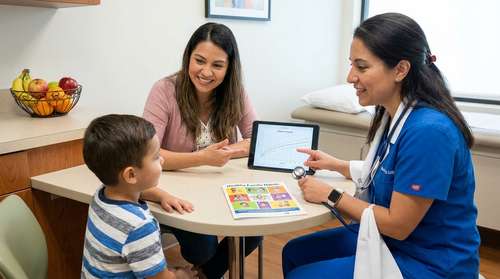
At the heart of this transition is the philosophy of community as medicine. Clinical providers and wellness experts alike are increasingly embracing "social prescribing," which treats social interaction as a vital health intervention. Research consistently shows that addressing the loneliness epidemic is just as critical for cardiovascular and neurological health as traditional medical care.
Initiatives launching this week, such as the "Our Health Our Wellness" program introduced on April 1, highlight this very principle. By focusing on culturally relevant, community-wide health education, these modern programs bypass the isolation of solo optimization. They prove that healing and longevity are not found in an isolated hyperbaric chamber, but in the strength of our shared communal ties.
Why Multi-Generational Wellness is Taking Over
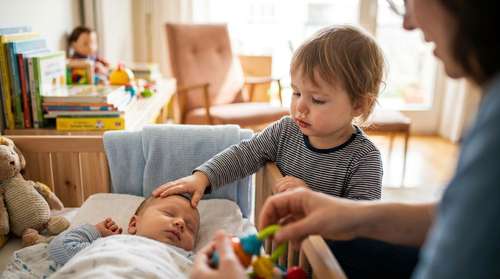
The most striking evolution this season is the mainstream adoption of multi-generational wellness. The concept recognizes that the physical and emotional health of a family unit is deeply interconnected. The bio-load and stress levels of a household impact everyone from toddlers to grandparents. By prioritizing shared wellness rituals, families are combating the modern crisis of isolation together.
Housing trends are also reflecting this shift. With more families embracing multi-generational living arrangements due to economic and caregiving factors, the home itself is becoming the primary wellness hub. Building biology experts are currently advising families on how to manage high-density households, emphasizing the importance of creating clean, non-toxic sleep sanctuaries for both the oldest and youngest family members.
Whether it involves cooking nutrient-dense meals together to avoid the chemical leaching of microwaved plastics, or establishing a family walking routine in the neighborhood, the focus is on collective participation. The pressure of one-size-fits-all biohacking protocols, which were largely built around extreme discipline, is being replaced by flexible, intuitive practices that everyone can enjoy.
Building Resilient Family Mental Fitness
This inclusive approach naturally fosters robust family mental fitness. When multiple generations engage in wellness activities without the looming pressure of tracking dashboards, it creates an environment of emotional repair and nervous-system safety. Grandparents find a renewed sense of purpose and cognitive stimulation, while younger generations develop vital emotional resilience.
Ultimately, the rejection of over-optimization is not a rejection of science. It is an acknowledgment that human beings are hardwired to seek pleasure, community, and connection. As we navigate the rest of the year, the most successful health strategies will be those that remind us how fully alive we feel when we are together.