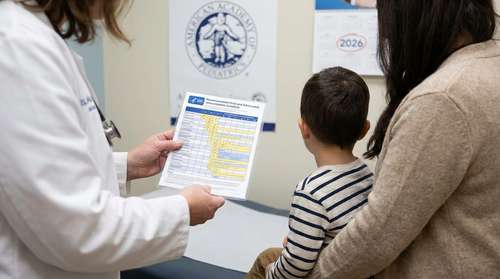
In a historic shift that redefines public health policy in the United States, the Centers for Disease Control and Prevention (CDC) has officially overhauled the childhood immunization schedule for 2026. As of late January, the agency has reduced the number of universally recommended vaccines for school-aged children from 17 to 11, moving major shots like Hepatitis B, Influenza, and Rotavirus into a new "shared clinical decision-making" category. This move, spearheaded by the Department of Health and Human Services (HHS) under the "Make America Healthy Again" initiative, marks the most significant change to pediatric vaccine guidance in decades.
The New 2026 CDC Vaccine Schedule: What Changed?
The core of the 2026 CDC vaccine schedule is a distinction between "consensus vaccines"—those universally recommended by peer nations like Denmark and Japan—and those now classified for individualized consideration. For parents, this means the list of "routine" shots during well-child visits has effectively been shortened, though access remains unchanged.
The 11 "Consensus" Vaccines
The CDC continues to recommend the following vaccines for all children, citing broad international agreement on their necessity for preventing severe outbreaks:
- Measles, Mumps, and Rubella (MMR)
- Polio (IPV)
- Diphtheria, Tetanus, and Pertussis (DTaP/Tdap)
- Haemophilus influenzae type b (Hib)
- Pneumococcal conjugate
- Varicella (Chickenpox)
- Human Papillomavirus (HPV) – Note: Guidance updated to a single-dose regimen.
Moved to "Shared Clinical Decision-Making"
The following immunizations are no longer automatically recommended for every healthy child but remain available based on a conversation between you and your doctor:
- Influenza (Annual Flu Shot)
- COVID-19
- Hepatitis A and Hepatitis B (for newborns/infants)
- Rotavirus
- Respiratory Syncytial Virus (RSV)
- Meningococcal vaccines (MenACWY and MenB)
Why the Shift? HHS and the "Make America Healthy Again" Policy
The driving force behind these new childhood immunization guidelines is a philosophy emphasizing parental autonomy and harmonization with international standards. HHS officials have stated that the goal is to align the U.S. schedule with "peer developed nations" to reduce what they term "coercive" public health strategies. By categorizing non-consensus vaccines as optional based on risk, the administration aims to rebuild public trust under its Make America Healthy Again vaccines framework.
Critics, however, including the American Academy of Pediatrics (AAP), have voiced strong opposition. In a statement released earlier this week, the AAP announced it would no longer endorse the CDC's schedule, warning that removing universal recommendations for diseases like Hepatitis B and the flu could lead to a resurgence of preventable hospitalizations. This split between federal guidance and professional medical advice creates a complex landscape for childhood vaccine informed consent.
Will Insurance Still Cover These Vaccines?
A major concern for families is cost. Despite the reclassification, HHS has confirmed that insurance coverage remains intact. Under the Affordable Care Act's preventative care mandates, all vaccines that were recommended as of late 2025 remain covered without co-pays. This means parents who choose to vaccinate their children against the flu, Hepatitis B, or Meningitis can still do so for free. The shift is in the recommendation, not the availability or financial coverage.
Impact on School Mandates and Exemptions
Perhaps the most confusing aspect of the HHS 2026 health policy overhaul is its effect on school entry requirements. It is crucial to understand that vaccine exemptions for school and entry mandates are determined by state laws, not the federal CDC.
Currently, the landscape is fractured:
- Alignment States: Some states are moving quickly to align their school mandates with the new, slimmer CDC schedule, effectively removing requirements for Hep B or Meningitis.
- Legacy States: Other states are maintaining their existing lists, meaning a child may still need a vaccine for school entry even if the CDC no longer calls it "routine."
Parents are urged to check with their local school district or state health department immediately, as pediatric vaccine changes at the federal level do not automatically override state statutes.
Navigating the New Landscape
This overhaul places a new premium on the doctor-patient relationship. The concept of "shared clinical decision-making" requires parents to be more proactive. Instead of a default checklist, appointments will now involve discussing your child's specific risk factors—such as local outbreak data, travel plans, or underlying health conditions—to decide on the vaccines that are no longer universally prescribed.
As the 2026 school year approaches, stay informed. While the federal "menu" of shots has shrunk, the tools to protect your child remain available. The power—and the responsibility—now lies more firmly than ever in your hands.