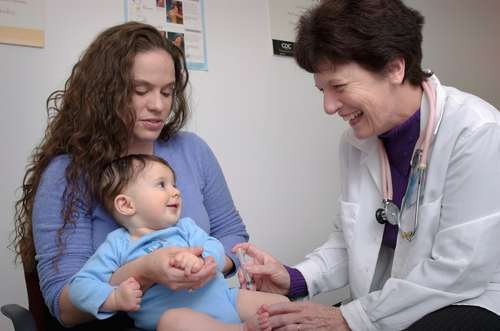
In a historic overhaul of pediatric health policy announced on January 5, 2026, the Centers for Disease Control and Prevention (CDC) has significantly altered the childhood immunization schedule. The agency reduced the number of vaccines routinely recommended for all children from 17 to 11, moving six major immunizations—including those for influenza, COVID-19, and rotavirus—into new categories requiring "shared clinical decision-making" or high-risk assessments. This dramatic shift, driven by a directive to align U.S. policy with international standards, has sparked immediate confusion among parents and intense debate within the medical community.
The New CDC Vaccine Guidelines 2026: What Changed?
The updated CDC vaccine guidelines 2026 represent the most substantial change to American vaccination policy in decades. Under the new framework, the CDC no longer universally recommends every child receive vaccines for diseases like hepatitis A, hepatitis B, and the flu. Instead, these shots have been reclassified.
The schedule is now divided into three distinct categories:
- Routine for All Children: Core vaccines like measles-mumps-rubella (MMR), polio, and tetanus remain universally recommended.
- Shared Clinical Decision-Making: Vaccines for influenza, COVID-19, rotavirus, and others now require a consultation between parents and doctors to determine necessity.
- High-Risk Only: Some immunizations, such as the RSV vaccine for infants and the birth dose of hepatitis B, are now primarily suggested only for children with specific risk factors.
Which Vaccines Are No Longer 'Routine'?
The reduction from 17 to 11 targeted diseases means six categories of shots are no longer on the automatic "must-have" list for healthy children. The specific vaccines affected by this policy shift include:
- Influenza (Flu): Previously routine for everyone over 6 months, now subject to shared decision-making.
- COVID-19: Moved to shared decision-making for all children.
- Rotavirus: A standard infant vaccine now moved to shared decision-making.
- Hepatitis A & B: Hepatitis A and the birth dose of Hepatitis B have been removed from the universal routine list.
- Meningococcal Disease: Vaccines for MenACWY and MenB are now largely categorized under shared decision-making or high-risk.
- RSV (Respiratory Syncytial Virus): The RSV vaccine for infants is now recommended specifically for high-risk groups rather than universally.
Understanding "Shared Decision-Making"
The term "shared clinical decision-making" is central to these 2026 health trends. It implies that these vaccines are not "optional" in the casual sense, but rather that they are no longer automatically recommended for every single child regardless of circumstance. Parents must now actively discuss the risks and benefits with their pediatrician to decide if their child should receive them.
Pediatric Health Alerts: Experts Warn of Risks
This massive vaccine policy controversy has triggered alarm bells among public health experts. The American Academy of Pediatrics (AAP) and infectious disease specialists have publicly criticized the move, warning that removing broad recommendations could lead to a resurgence of preventable diseases.
Critics argue that the "shared decision-making" model creates barriers to care. "Demoting" these vaccines from the routine list may lead to lower insurance reimbursement rates in the long term (though HHS has stated coverage remains for now) and creates confusion for busy parents who rely on clear guidance. The AAP has stated they will continue to recommend the full schedule of 17 vaccines, creating a rare split between the CDC and the nation's leading pediatricians.
Rationale: Aligning with Peer Nations?
Federal officials cited a need to align the U.S. schedule with "peer nations" like Denmark and Japan, which generally mandate fewer vaccines than the United States. Proponents of the change argue this prioritizes parental choice and focuses public health resources on the most severe threats. However, epidemiologists counter that the U.S. healthcare system differs vastly from European models, lacking the same safety nets that allow those countries to manage outbreaks effectively.
What Parents Need to Do Now
For parents navigating these changes, shared decision making vaccines discussions will become a standard part of wellness visits. Here is what you need to know:
- Insurance Coverage: Government officials have assured the public that all vaccines, including those moved to the new categories, will remain free of cost-sharing under most insurance plans.
- School Mandates: It is crucial to remember that the CDC sets recommendations, but states set school entry requirements. For now, most state school mandates remain unchanged, meaning your child may still need "non-routine" shots to attend school.
- Consult Your Pediatrician: Your doctor’s office likely still follows the AAP guidelines, which support the broader use of these vaccines. Don't assume you should skip a shot just because the federal label changed; ask about the specific risks in your community.