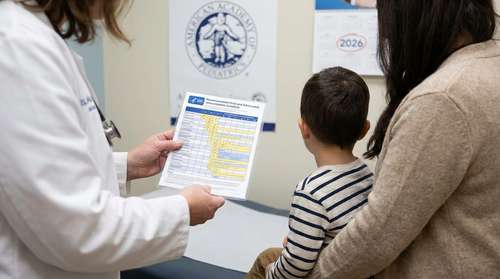
WASHINGTON, D.C. — In a landmark shift for pediatric healthcare, the Department of Health and Human Services (HHS) and the Centers for Disease Control and Prevention (CDC) released a finalized implementation guide yesterday, February 18, 2026, clarifying the new 2026 childhood vaccine schedule. The updated framework officially cements the transition from 17 universally recommended immunizations down to just 11 "core" protections, moving widely used vaccines like Hepatitis B and Influenza to a "shared clinical decision-making" model.
The New 'Core 11': What Parents Need to Know
The revised new CDC pediatric guidelines mark the most significant modification to the U.S. immunization schedule in decades. Under the new protocol, effective immediately for the 2026-2027 school year planning cycle, only vaccines for diseases with "international consensus" remain on the universally recommended list. This move aims to align U.S. standards more closely with peer nations like Denmark and Japan, according to HHS statements.
The 11 core diseases for which vaccination remains universally recommended for all American children are:
- Measles, Mumps, and Rubella (MMR)
- Diphtheria, Tetanus, and Pertussis (DTaP)
- Polio (IPV)
- Varicella (Chickenpox)
- Haemophilus influenzae type b (Hib)
- Pneumococcal disease
- Human Papillomavirus (HPV) – Note: Recommendation reduced to a single dose.
Pediatricians emphasize that while the federal "core" list has shrunk, the biological risks of these diseases have not changed. "These 11 vaccines represent the bedrock of public health," says Dr. Elena Rodriguez, a pediatric immunologist in Bethesda. "They prevent diseases that are highly contagious and potentially fatal."
Shared Clinical Decision-Making: The Shift for Flu, Hep B, and More
The most controversial aspect of the family health news 2026 update is the reclassification of several previously standard vaccines. As of this week's guidance, immunizations for Hepatitis A, Hepatitis B, Influenza, COVID-19, Rotavirus, and Meningococcal disease are no longer automatically recommended for every healthy child. Instead, they fall under "shared clinical decision-making" (SCDM).
What SCDM Means for Your Visit
Under the SCDM model, these vaccines are not mandatory "default" orders in the electronic health record. Instead, parents and providers must have a documented discussion to weigh individual risks and benefits. For instance, while Hepatitis B vaccination was previously given at birth to all infants, the 2026 childhood vaccine schedule now suggests it specifically for infants with high-risk factors or upon parental request.
This shift places a greater responsibility on families to actively request protections that were once routine. "Parents need to be proactive," warns Dr. Rodriguez. "Just because a vaccine like the flu shot isn't 'universally' mandated doesn't mean it isn't vital for your child's specific health situation."
School Immunization Requirements 2026: State vs. Federal Confusion
A major point of confusion addressed in yesterday's HHS briefing is the impact on school immunization requirements 2026. While the CDC sets federal recommendations, individual states retain the legal authority to mandate vaccines for school entry.
The new federal guidance has created a patchwork landscape:
- Strict Compliance States: States like Florida and Texas have already signaled they will align their school mandates with the reduced federal "Core 11," potentially dropping requirements for Meningitis and Hepatitis B.
- Maintenance States: California, New York, and others have affirmed they will maintain their existing broader lists, requiring vaccines beyond the CDC's new core recommendations for public school attendance.
For families moving across state lines, this divergence creates new complexities. The mandatory vaccines for kids in one state may be optional "shared decisions" in another, requiring parents to meticulously check local school board policies.
Insurance and Access: HHS Family Health Updates
Despite the reduction in mandated shots, HHS confirmed in the February 18 update that insurance coverage remains intact. The Affordable Care Act (ACA) provisions still require private insurers and Medicaid to cover all ACIP-recommended vaccines—including those in the "shared decision" category—without copays.
However, pediatric wellness trends suggest a potential dip in access if clinics stop stocking non-core vaccines as standard inventory. The American Academy of Pediatrics (AAP) has advised practices to continue stocking all previously recommended vaccines to prevent delays for families who choose to maintain the broader protection schedule.
Navigating the New Landscape
As these HHS family health updates roll out, the burden of decision-making shifts significantly toward parents. The streamlined schedule aims to reduce "vaccine fatigue" and build trust, but critics worry it may lead to resurgence in preventable illnesses like seasonal flu and rotavirus.
For now, the best course of action is to schedule a wellness visit and specifically ask your pediatrician about the "SCDM" list. With the 2026 childhood vaccine schedule now in effect, being an informed advocate for your child's health is more critical than ever.