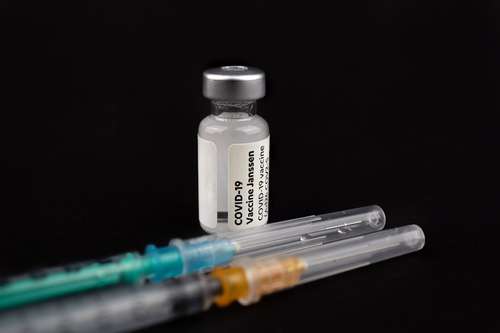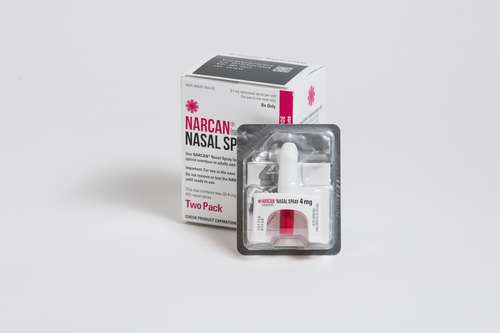
A potential breakthrough in the fight against COVID-19 transmission is gaining momentum this week as CastleVax pushes forward with its Phase II clinical trials for CVAX-01, a next-generation intranasal COVID-19 vaccine. In a significant development announced on January 13, 2026, the pharmaceutical developer confirmed the integration of advanced nasal delivery technology from Aptar Pharma to administer the mucosal vaccine. This trial, involving 200 U.S. adults, represents a critical step toward achieving what scientists call the "holy grail" of pandemic defense: a needle-free booster capable of blocking the virus at its point of entry.
Targeting the Transmission Gap with Mucosal Immunity
While current injectable mRNA vaccines have been effective at preventing severe illness and death, they have faced limitations in halting the transmission of the virus. This is largely because intramuscular injections primarily generate IgG antibodies in the blood, which protect the lungs but do little to stop the virus from colonizing the nose and throat.
CastleVax’s CVAX-01 aims to solve this by inducing mucosal immunity—specifically, the production of secretory IgA antibodies in the respiratory tract. By creating an immune barrier in the nose, the vaccine is designed to neutralize the virus before it can infect cells or be transmitted to others.
“This Phase 2 study represents a major step forward towards our goal to develop a next-generation COVID-19 booster vaccine capable of eliciting mucosal immunity and protecting against SARS-CoV-2 breakthrough infection and transmission,” said Dr. Michael A. Egan, CEO and Chief Scientific Officer of CastleVax.
Inside the CVAX-01 Phase II Trial
The ongoing Phase II study is a head-to-head comparison between the intranasal CVAX-01 candidate and a standard FDA-approved mRNA injectable vaccine. The trial is enrolling approximately 200 participants across the United States, with a specific focus on including high-risk demographics such as seniors aged 65 and older.
Researchers will monitor participants for six months to evaluate several critical metrics:
- Safety and Tolerability: Assessing the side effect profile of the nasal spray compared to the fever and fatigue often associated with mRNA shots.
- Mucosal Immunogenicity: Measuring the levels of IgA antibodies in the nasal passages.
- Systemic Protection: Ensuring the vaccine also provides robust IgG protection in the bloodstream.
The study utilizes a Newcastle Disease Virus (NDV) vector platform, a technology developed by renowned scientists at the Icahn School of Medicine at Mount Sinai. This platform expresses a stabilized version of the SARS-CoV-2 spike protein (HexaPro), designed to trigger a potent immune response without the use of needles.
Aptar Pharma Technology Drives Delivery
Crucial to the success of this trial is the delivery mechanism. On January 13, Aptar Pharma formally announced that its Bidose Liquid Nasal Spray System, utilizing the LuerVax® and Spray Divider™ technologies, is the exclusive delivery device for the CVAX-01 study.
Precise delivery is a major challenge for intranasal vaccines; if the dose drips out of the nose or is swallowed, it may not trigger the necessary immune response in the nasal mucosa. Aptar’s technology ensures the vaccine is atomized into a fine mist that coats the target tissues effectively, maximizing the potential for creating a protective immune barrier.
Why Next-Gen Vaccines Matter in 2026
As we move through 2026, the landscape of COVID-19 continues to evolve with new variants. The persistence of transmission waves has highlighted the need for "Project NextGen" solutions—vaccines that do more than just mitigate symptoms. The CastleVax CVAX-01 trial is part of a broader push, supported by funding from BARDA and the New York State Biodefense Commercialization Fund, to bring second-generation tools to the public.
Unlike mRNA vaccines, which require ultra-cold storage, the NDV-based CVAX-01 can potentially be stored at standard refrigerator temperatures or even be more stable, making it a viable option for global distribution. Furthermore, the needle-free nature of the vaccine addresses a significant barrier to uptake: needle phobia.
Looking Ahead: The Path to Approval
If the Phase II data confirms that CVAX-01 elicits superior mucosal protection compared to standard shots, CastleVax plans to advance to larger Phase III efficacy trials. The company has already seen success with similar formulations internationally; an inactivated version of the vaccine has previously received emergency use authorization in Thailand and Mexico.
For now, all eyes are on the 200 participants helping to determine if a simple nasal spray can finally close the door on COVID-19 transmission.