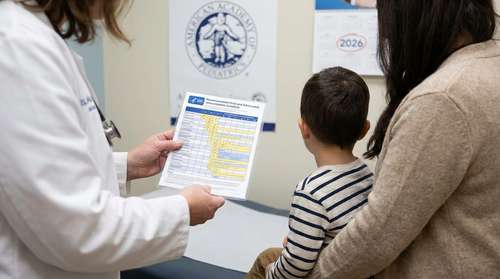
Federal health officials released highly anticipated data on April 20, 2026, marking a watershed moment for early childhood nutrition. According to the newly published WIC breastfeeding statistics 2026, families enrolled in the Special Supplemental Nutrition Program for Women, Infants, and Children (WIC) have increased their breastfeeding rates by a staggering 34.2% since early 2022. This massive shift has dramatically narrowed the historical gap between breastfed and non-breastfed infants in the program, signaling a permanent transformation in how American parents are choosing to feed their newborns.
The Lasting Impact of the 2022 Formula Shortage
When the United States faced a severe infant formula supply crisis in 2022, millions of parents were forced to navigate bare grocery store shelves and volatile feeding schedules. While initially a source of immense stress, researchers now recognize that period as the catalyst for modern breastfeeding vs formula trends. Out of necessity, lactation initiation spiked across all demographics. Supply chain disruptions forced federal agencies to rapidly adapt, leading to increased flexibility in WIC purchasing rules and a hyper-focus on lactation education. Today, those emergency measures have evolved into permanent, highly effective institutional practices.
What surprises health officials most about the 2026 data is the durability of that spike. Rather than reverting to pre-2022 habits once formula production stabilized, families maintained their new feeding patterns. The federal report indicates that the number of fully or partially breastfed infants in the WIC program grew by more than a third over the four-year evaluation window, while the number of exclusively formula-fed babies declined by nearly 11%. Parents are choosing exclusive breastfeeding for longer durations, fundamentally altering the landscape of infant health and nutrition. This shift is already generating measurable economic benefits, with national healthcare cost savings from reduced infant illness projected to exceed $415 million annually.
Advancing Family Health Equity Through Policy
Perhaps the most encouraging takeaway from the latest data is the demographic breakdown. Historically, WIC participants and minority communities initiated breastfeeding at significantly lower rates than higher-income, non-WIC-eligible populations. The 2026 data confirms a rapid shrinking of those disparities, representing a massive victory for family health equity.
Mothers from historically marginalized backgrounds demonstrated the sharpest increases in lactation duration. This did not happen in a vacuum. State health departments and local agencies aggressively expanded postpartum maternal support structures over the last three years. By deploying culturally matched peer counselors, funding hospital lactation consultants, and offering specialized telehealth services, WIC agencies successfully dismantled many of the systemic barriers that previously hindered long-term breastfeeding.
Tracking the Healthy People 2030 Breastfeeding Goals
These equity gains arrive at a crucial moment for federal health agencies. The Department of Health and Human Services established ambitious targets within their Healthy People 2030 breastfeeding goals, aiming for 42.4% of infants to be exclusively breastfed through six months. Previously, states faced steep uphill climbs to meet these benchmarks—with some needing to improve baseline rates by over 50%. In addition to the six-month exclusivity target, the government seeks to have 54.1% of infants receiving some breastmilk at the one-year mark. The recent surge among WIC participants acts as a powerful accelerant toward achieving those national objectives. Reaching these milestones demands consistent support beyond the newborn phase, particularly as returning to work remains a primary reason parents stop nursing.
Lifelong Benefits and Childhood Obesity Prevention
The implications of this dietary shift extend far beyond the first year of life. Human milk provides dynamic immune protection and tailors its nutritional composition to a growing baby's exact physiological needs. Pediatricians heavily advocate for human milk due to its direct link to childhood obesity prevention. Infants who feed at the breast naturally self-regulate their intake, establishing healthy satiety cues that protect against excessive weight gain later in adolescence.
Furthermore, mothers who sustain lactation experience a reduced risk of developing Type 2 diabetes, cardiovascular disease, and certain reproductive cancers. By equipping lower-income families with the tools to sustain nursing, the public health sector is actively preventing chronic diseases that disproportionately burden underserved communities.
Securing the Future of Maternal Health
While the data released today warrants celebration, health advocates caution against complacency. Sustaining a 34.2% increase requires continuous legislative and financial backing. Funding for peer counselor programs must match the growing demand, and broader workplace accommodations—such as comprehensive paid family leave and mandatory lactation spaces—remain essential for parents returning to the workforce. Medical professionals and accrediting boards are also being called upon to increase their investment in lactation training. When pediatricians, obstetricians, and nurses deliver unified, evidence-based feeding guidance, parents feel significantly more empowered.
The 2026 WIC report serves as definitive proof that when communities invest heavily in maternal resources, families respond. Transforming a momentary crisis response into a permanent public health victory required immense coordination. As the United States moves closer to the end of the decade, protecting these hard-won gains will be paramount to ensuring every infant has access to an optimal start in life.