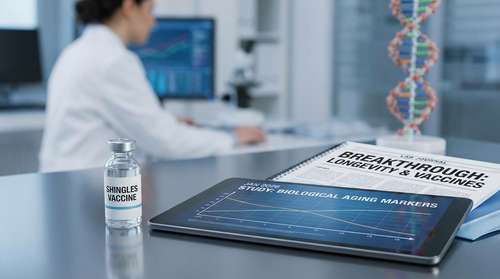
A groundbreaking new study published in January 2026 has revealed that the shingles vaccine may do far more than prevent a painful skin rash—it could actually slow down the biological aging process. Researchers from the University of Southern California (USC) Leonard Davis School of Gerontology found that vaccinated older adults exhibited significantly more youthful genetic markers and reduced systemic inflammation compared to their unvaccinated peers. This discovery adds a powerful new dimension to the science of healthy aging 2026, suggesting that routine immunizations might serve as unexpected tools in the quest for longevity.
The Longevity Breakthrough: What the Data Shows
Published in The Journals of Gerontology: Series A, the study analyzed data from a large, nationally representative cohort of U.S. adults aged 70 and older. The findings were striking: individuals who had received the shingles vaccine demonstrated slower epigenetic aging research markers—essentially, their internal biological clocks were ticking at a more measured pace than those who had skipped the shot.
Lead author Jung Ki Kim and colleague Eileen M. Crimmins discovered that vaccination was associated with a lower "composite biological aging score." Specifically, vaccinated participants showed significant improvements in DNA methylation and gene expression patterns associated with youthfulness. "This suggests that shingles vaccination may be linked not only to preventing infection but may also be more favorable to multiple biological systems," researchers noted, highlighting a potential dual benefit that extends well beyond immunity.
Crushing "Inflammaging": How It Works
The primary mechanism believed to drive this anti-aging effect is the reduction of "inflammaging"—the chronic, low-grade inflammation that naturally accelerates as we get older. The varicella-zoster virus, which causes chickenpox and shingles, remains latent in the body for decades. Even when it doesn't cause an active outbreak, it may constantly irritate the immune system, contributing to systemic wear and tear.
By suppressing this viral reactivation, the shingles vaccine longevity benefits kick in. The shot essentially calms this overactive immune surveillance, lowering the body's overall inflammatory load. The study found that vaccinated individuals had significantly lower levels of C-reactive protein and other inflammatory biomarkers, which are often precursors to chronic diseases like heart disease and frailty.
Recombinant Vaccine: The Gold Standard
While the study reviewed data covering a period when older vaccines were common, experts believe the modern recombinant zoster vaccine (Shingrix) likely offers even more potent benefits. Unlike its live-attenuated predecessor, the recombinant version induces a stronger, more targeted immune response. This robust protection suggests that the anti-aging benefits of vaccines could be even more pronounced for those receiving the current standard of care.
Beyond Skin Deep: Links to Brain Health
This 2026 discovery aligns with a growing body of longevity science news linking shingles vaccination to neurological protection. Previous research has hinted that the vaccine is associated with a 20% to 30% reduction in dementia risk. While the current USC study focused specifically on molecular aging clocks rather than clinical disease diagnosis, the reduction in systemic inflammation provides a plausible biological pathway for these brain-protecting effects.
The study found that the benefits on biological aging were most intense within the first three years post-vaccination, though positive effects on inflammation persisted longer. This supports the concept of "off-target" vaccine effects—where a shot designed for one specific pathogen trains the immune system in a way that boosts overall resilience.
Implications for Geriatric Health Breakthroughs
These findings represent a significant shift in how we view adult immunization. Rather than just disease avoidance, vaccines might be reframed as proactive geriatric health breakthroughs that preserve cellular vitality. For the millions of adults currently eligible for the vaccine, this research offers a compelling new incentive: getting the shot isn't just about avoiding a week of pain; it might be about buying years of healthier life.
As we move further into 2026, this research paves the way for future clinical trials to directly test vaccines as anti-aging interventions. For now, the message from the scientific community is clear: maintaining up-to-date vaccinations is one of the most accessible, science-backed strategies to slow biological aging and protect your long-term healthspan.