In a monumental leap for longevity science, researchers have identified a specific protein capable of "waking up" dormant neural stem cells in the aging brain. This breakthrough, published this week in Science Advances, centers on a transcription factor called DMTF1. By reactivating this protein, scientists at the National University of Singapore (NUS) were able to restart the production of new neurons, offering a potential roadmap to reverse brain aging and restore cognitive function.
The DMTF1 Protein: A Key to Neural Stem Cell Rejuvenation
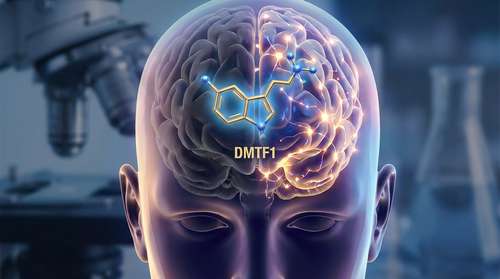
As we age, the brain’s ability to repair itself diminishes. Neural stem cells (NSCs), which are responsible for generating fresh neurons, often enter a state of dormancy. For years, neuroscientists have searched for the molecular "switch" that controls this decline. The newly published study identifies DMTF1 (cyclin D-binding myb-like transcription factor 1) as that critical regulator.
The research team, led by Assistant Professor Derrick Sek Tong Ong and Dr. Liang Yajing at the NUS Yong Loo Lin School of Medicine, discovered that DMTF1 levels are abundant in young, healthy brains but drop precipitously with age. When the researchers artificially boosted DMTF1 levels in aged laboratory models, the results were striking: the dormant stem cells began to divide and produce new neurons again, effectively reversing the cellular clock.
How the Mechanism Works
The study reveals a fascinating biological workaround. Typically, aging cells are hindered by shortening telomeres—the protective caps on DNA. However, DMTF1 appears to bypass this roadblock. It works by activating two helper genes, Arid2 and Ss18. These genes act as molecular crowbars, loosening tightly packed DNA structures (chromatin) to allow growth-related genes to function. This process restores the "regenerative potential" of the cells without needing to lengthen the telomeres themselves.
Implications for Cognitive Health Restoration
This discovery has profound implications for cognitive health restoration. The decline in neuron production is a primary driver of age-related memory loss and cognitive decline. By identifying the specific mechanism that stalls this process, scientists have a tangible target for future therapies.
"Impaired neural stem cell regeneration has long been associated with neurological aging," stated Dr. Ong in a press briefing. "Inadequate neural stem cell regeneration inhibits the formation of new cells needed to support learning and memory functions."
If a drug or therapy can be developed to safely boost DMTF1 in humans, it could theoretically lead to treatments that not only slow down Alzheimer’s and dementia but potentially reverse brain aging by replenishing the brain with fresh, functional neurons.
Healthy Aging Breakthroughs 2026: The Context
The discovery of DMTF1's role adds to a string of major healthy aging breakthroughs in 2026. Earlier this year, researchers identified immune-regulating enzymes linked to tau buildup, but the DMTF1 finding is unique because it focuses on regeneration rather than just damage control.
Currently, the field of longevity science news is pivoting from merely extending lifespan to extending "healthspan"—ensuring that our later years are lived with mental clarity and vitality. The ability to stimulate neural stem cell rejuvenation is considered one of the holy grails of this field.
Challenges and Future Outlook
While the excitement is palpable, experts urge caution. The study was conducted using human cells in a lab and mouse models, meaning clinical applications for humans are still years away. Furthermore, because DMTF1 is a protein linked to cell growth, there is a theoretical risk that uncontrolled activation could lead to tumor growth. The body naturally lowers these growth factors with age partly as a cancer-protection mechanism.
Future research will focus on finding a "Goldilocks" zone—boosting DMTF1 enough to restore memory and learning without triggering uncontrolled cell proliferation. For now, this stands as one of the most promising developments in memory restoration research this decade, offering a glimpse into a future where an aging brain might be coaxed back to a youthful state.