In a monumental leap for longevity science, researchers at the National University of Singapore (NUS) have identified a molecular "switch" capable of reversing the biological clock of aging brain cells. The discovery of the DMTF1 protein offers a promising new path toward restoring memory and cognitive function in older adults, potentially transforming how we treat age-related neurological decline. Announced this week, this breakthrough could be the key to brain rejuvenation 2026 has been waiting for.
The DMTF1 Protein Discovery: A New Hope for Cognitive Health
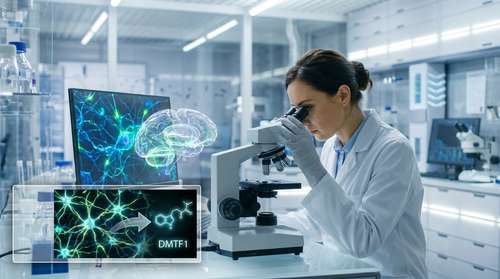
For decades, scientists have searched for the underlying causes of why our brains lose their regenerative power as we age. The answer, according to a groundbreaking study published in Science Advances, lies in a specific transcription factor known as DMTF1 (cyclin D-binding myb-like transcription factor 1). The research team from the Yong Loo Lin School of Medicine at NUS found that this protein is essential for maintaining the vitality of neural stem cells—the brain's reservoir for creating new neurons.
"We found that DMTF1 levels drop significantly in aged neural stem cells," explained Dr. Liang Yajing, the study's lead author. "By restoring this protein, we were able to 'wake up' these dormant cells and restart the production of new neurons, effectively reversing the cellular signs of aging." This DMTF1 protein discovery marks a pivotal moment in healthy aging science, moving beyond merely slowing decline to actively promoting regeneration.
How the 'Switch' Works: Reversing Brain Aging
To understand the magnitude of this finding, it helps to understand why brain cells stop regenerating. As we age, the protective caps on our DNA, called telomeres, shorten. This damage typically signals neural stem cells to stop dividing, leading to a decline in memory and learning ability. However, the NUS team discovered that DMTF1 acts as a clever workaround.
When researchers boosted DMTF1 levels in aged laboratory models, the protein triggered a specific genetic pathway involving two "helper" genes, Arid2 and Ss18. These helpers act like a crowbar, prying open tightly packed DNA (chromatin) to allow growth-related genes to activate. This process restored neural stem cell regeneration even in cells with damaged telomeres, suggesting that the brain has a latent capacity for repair that just needs to be switched on.
The Mechanism of Memory Restoration
The implications for memory restoration are profound. Neural stem cells in the hippocampus—the brain region responsible for learning and memory—are particularly vulnerable to aging. By reactivating these cells, DMTF1 therapy could theoretically replenish the supply of fresh neurons needed to form new memories and maintain cognitive sharpness.
Implications for Alzheimer's and Cognitive Health
This breakthrough is not just about staying sharp; it has massive potential for treating neurodegenerative diseases. Conditions like Alzheimer's and dementia are characterized by a loss of neurons and a failure of the brain to repair itself. Current treatments mostly focus on managing symptoms or clearing toxic plaques, but they rarely address the loss of regenerative capacity.
Assistant Professor Ong Sek Tong Derrick, who led the research, emphasized the therapeutic potential: "Our findings suggest that strategies designed to increase DMTF1 levels could potentially reverse or delay the decline in neural stem cell function linked to aging." This opens the door for developing drugs that mimic or boost DMTF1, offering a tangible strategy for reversing brain aging.
The Future of Brain Rejuvenation Treatments
While the results are incredibly promising, the path from laboratory breakthrough to clinical treatment is still underway. The researchers are now focusing on identifying small molecules that can safely enhance DMTF1 activity in humans without unintended side effects. If successful, we could see clinical trials for cognitive health breakthroughs targeting this pathway within the next few years.
As we navigate 2026, the prospect of a "fountain of youth" for the brain is no longer just science fiction. With the identification of DMTF1, science has taken a giant step closer to a world where aging doesn't inevitably mean cognitive decline, offering hope to millions worldwide.