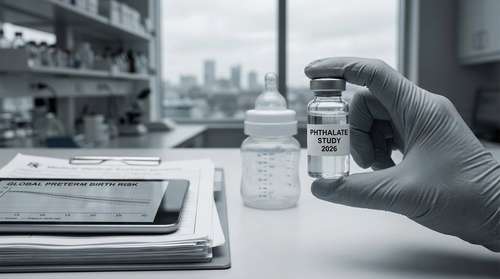
In a devastating revelation for global public health, researchers have uncovered a massive link between common synthetic chemicals and an international crisis in maternal care. The groundbreaking phthalates preterm birth study 2026, published on March 31 in the prestigious journal eClinicalMedicine, demonstrates that exposure to chemicals used to make plastic more flexible contributed to approximately 1.97 million premature births worldwide in a single year. These numbers equate to roughly eight percent of the world's total premature deliveries, radically transforming how medical professionals view environmental risk factors during gestation.
The Scope of the NYU Langone Health Research
Led by scientists conducting the latest NYU Langone health research, the sweeping analysis provides the very first global estimate of how severely di-2-ethylhexylphthalate (DEHP) and similar compounds impact fetal development. The data paints a grim, undeniable picture. Beyond the nearly two million early arrivals, this specific chemical exposure was linked to the tragic deaths of 74,000 newborns globally. Furthermore, the researchers estimated that the subsequent developmental and physical challenges resulted in over 1.2 million years lived with severe health issues across the affected populations.
According to study lead author Sara Hyman, MS, estimating the worldwide contribution of phthalates to early deliveries highlights an urgent need for swift regulatory intervention. The research specifically notes that these impacts are felt most acutely in vulnerable, under-resourced regions, though the crisis reaches every corner of the globe. Perhaps most alarmingly, manufacturers have frequently swapped DEHP for replacement chemicals that early data suggests pose identical, if not stronger, risks to expecting mothers.
Toxic Household Chemicals and Pregnancy: The Hidden Danger
Understanding the complex connection between toxic household chemicals and pregnancy requires a closer look at our daily environment. Phthalates are widely recognized by environmental scientists as "everywhere chemicals". They are seamlessly integrated into the manufacturing of countless consumer goods to increase durability, pliability, and longevity. However, these substances do not remain permanently bound to their host materials.
Over time, these compounds break down into microscopic, invisible particles that enter the human body through the food we eat, the air we breathe, and the dust settling in our homes. Expectant mothers are routinely exposed to endocrine disruptors in cosmetics, heavily fragranced laundry detergents, bug repellents, and ultra-processed food packaging. Even plastic additives in baby products—items ostensibly designed for the safety, hygiene, and comfort of infants—frequently harbor these very same volatile compounds, creating an inescapable cycle of exposure.
Why Chemical Replacements Fall Short
The global chemical industry has slowly attempted to phase out DEHP by introducing alternative plasticizers into the supply chain. Yet, scientists point out that treating and regulating these toxins one at a time is a fundamentally flawed strategy. Because the chemical structures of the newer substitutes are remarkably similar to DEHP, they interact with the human body in almost the exact same destructive manner, creating a regulatory game of whack-a-mole that leaves pregnant women vulnerable.
Rethinking Preterm Labor Causes
Historically, obstetricians and researchers have pointed to factors like advanced maternal age, pre-existing health conditions, and lifestyle choices as the primary preterm labor causes. This new, comprehensive data forces a massive medical paradigm shift. Synthetic endocrine-disrupting chemicals interfere directly with the delicate hormonal balance required to sustain a healthy, full-term pregnancy.
Phthalates specifically target and compromise the placenta, the critical organ responsible for delivering oxygen and essential nutrients to the developing fetus. By triggering severe internal inflammation and disrupting basic placental function, these chemicals can prematurely initiate the biological steps that lead to early labor. According to the World Health Organization, a premature birth often sets the stage for lifelong health complications, including severe learning disabilities, cognitive developmental delays, and a sharply heightened risk for chronic cardiovascular diseases in adulthood.
How to Reduce Phthalate Exposure for Expectant Families
While completely eliminating plastic from modern life is nearly impossible, families can take immediate, highly practical steps to protect themselves. If you are actively wondering how to reduce phthalate exposure during pregnancy, environmental health experts recommend a targeted, step-by-step approach to your daily routines.
- Swap plastic for glass or stainless steel: Store all food and beverages in non-plastic containers, especially when heating them. Microwave heat aggressively accelerates the leaching of chemical additives directly into your meals.
- Audit your personal care routine: Choose genuinely fragrance-free lotions, shampoos, and body washes. The generic term "fragrance" on an ingredient list is frequently a legal loophole used by corporations to hide the presence of liquid phthalates.
- Manage indoor dust frequently: Because chemical particles readily bind to household dust, using a vacuum equipped with a true HEPA filter and wiping down hard surfaces with a damp cloth can drastically lower your indoor inhalation risks.
- Check your recycling codes: Avoid plastics marked with recycling code #3, which indicates the presence of polyvinyl chloride (PVC), a material heavily reliant on toxic plasticizers.
- Read product labels carefully: Proactively look for consumer items explicitly labeled as "phthalate-free," particularly when shopping for sensitive maternity items, hospital bag supplies, or nursery gear.
The devastating findings from the 2026 report serve as a stark, undeniable warning to both international policymakers and everyday consumers. As the global medical community digests the staggering reality of nearly two million early births tied directly to everyday household products, the push for comprehensive, class-wide chemical regulation has never been more critical. Until systemic governmental changes occur, prioritizing household awareness and strategic consumer choices remains the absolute strongest defense for expecting parents.