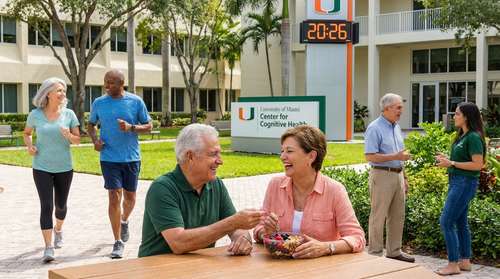
Aging gracefully is no longer just about preserving physical mobility; it is increasingly about protecting the mind. Achieving true brain resilience against the ravages of time requires more than crossword puzzles or a generic multivitamin. A groundbreaking longitudinal study published this week, on March 25, 2026, provides compelling new evidence about how we can safeguard our cognitive faculties. Researchers from the University of Miami Miller School of Medicine have discovered that the secret lies in a lifelong trifecta of lifestyle choices: sustained physical activity, high-quality nutrition, and robust social connections. When combined, these three elements offer profound protection against memory loss, changing how medical professionals view dementia prevention.
The Groundbreaking University of Miami Aging Study
For years, physicians have studied isolated habits to understand their impact on neurological health. The latest healthy aging research 2026 takes a broader, long-term approach. Drawing on baseline data from the Miller School's Healthy Brain Initiative, the research team tracked 260 adults ranging from 50 to 92 years old. Rather than just capturing a single snapshot in older age, investigators analyzed lifestyle patterns across several decades.
Published in the prestigious Journal of Alzheimer's Disease, the findings reveal a clear trajectory. Participants underwent rigorous annual cognitive testing, brain imaging, and neurological exams. According to lead author Dr. Magdalena Tolea, a research assistant professor of neurology, adults who maintained or actively improved healthy behaviors since their early adulthood consistently demonstrated superior brain structures in later life. The data proved consistent across both men and women, establishing a universal baseline for those looking to prevent cognitive decline.
Physical Activity and Nutrition: The Foundation of Neurological Health
When isolating individual behaviors, researchers noted that movement and nutrition stood out as the most reliable predictors of long-term neurological health. It is no secret that exercise benefits the cardiovascular system, but its direct impact on neuroplasticity is equally profound. Study participants who increased or maintained their physical activity levels scored significantly higher on global cognitive tests compared to those whose activity levels dropped over time.
Dietary choices play an equally critical role in preventing dementia naturally. The study highlighted that individuals adhering to nutrient-rich eating patterns—specifically those mirroring the MIND diet—exhibited far greater cellular protection and cognitive performance.
What Makes the MIND Diet Different?
The MIND diet combines elements of the Mediterranean diet and the DASH diet, focusing specifically on foods linked to brain health. This includes:
- Leafy green vegetables packed with folate and vitamin E
- Berries, particularly blueberries, which are rich in antioxidants
- Healthy fats from nuts and olive oil
- Lean proteins, predominantly fish and poultry
Consistently fueling the body with these nutrients helps reduce oxidative stress and inflammation, two primary drivers of neurological decay.
The Hidden Power of Social Engagement for Seniors
While diet and exercise are familiar pillars of wellness, the University of Miami research illuminated a frequently overlooked component: human connection. Social engagement for seniors acts as a crucial supporting pillar in the longevity trifecta.
The brain imaging results provided fascinating physical evidence of this phenomenon. While an active social calendar alone was more strongly linked to resilience than cognitive test scores, it was directly associated with a larger amygdala volume. The amygdala is a vital brain region responsible for emotional regulation and memory. Because this specific area is affected early in Alzheimer's disease, preserving its volume through regular social interaction offers a tangible physical buffer against early-stage dementia.
Synergy: The Key to True Brain Resilience
Perhaps the most striking revelation from the study is how these habits interact. The researchers discovered a synergistic relationship between the lifestyle factors. Participants who successfully improved both their diet and physical exercise routines experienced cognitive benefits that were stronger than expected from either behavior alone.
"No single behavior works in isolation," Dr. Tolea noted in the findings. When you combine rigorous movement, nutrient-dense foods, and strong community ties, the brain builds an internal defense system capable of withstanding the biological markers of aging. This compounding effect is exactly why adopting comprehensive longevity lifestyle habits is vastly superior to focusing on a single health metric.
Actionable Steps to Protect Your Mind Today
The most encouraging takeaway from the University of Miami aging study is that cognitive fate is largely in our own hands. Even if you haven't maintained perfect habits since your twenties, upward trajectories in health behaviors still yield substantial neurological benefits.
To build your own cognitive defense system, start by evaluating your daily routine. Can you swap ultra-processed snacks for a handful of walnuts? Is there a local walking group where you could combine physical activity with social interaction? By gradually stacking these healthy behaviors, you are doing much more than improving your physical fitness. You are actively building a resilient mind capable of thriving well into your later years.