It is the middle of American Heart Month, February 2026, and the most talked-about fitness trend isn't a new high-intensity interval training (HIIT) class or a grueling marathon training block. Instead, fitness professionals and cardiologists are rallying behind a concept that sounds almost counterintuitive: Zone Zero. After years of obsession with "Zone 2" cardio and maximizing calorie burn, the pendulum has swung toward a recovery-first approach that emphasizes ultra-low-intensity functional movement. For millions of Americans engaging with the 2026 heart health themes of longevity and stress reduction, Zone Zero is reshaping what it means to be active.
Defining Zone Zero: The Anti-Workout
For the past few years, "Zone 2" training (exercising at 60-70% of your maximum heart rate) was the gold standard for metabolic health. Zone Zero takes this concept a step further down the intensity ladder. Defined as movement that keeps your heart rate below 50% of its maximum, Zone Zero is the physiological sweet spot between complete rest and light exercise. It includes activities like standing while working, gentle stretching, micro-walks, and household chores—movements that increase blood flow without imposing aerobic stress.
"We used to think of this as just 'pottering around' or NEAT (Non-Exercise Activity Thermogenesis)," says Dr. Elena Rostova, a leading preventative cardiologist. "But by labeling it 'Zone Zero,' we are validating it as a crucial training metric. In 2026, we understand that you can't out-train a sedentary lifestyle with one hour of gym time. Zone Zero is about keeping the metabolic engine idling all day long rather than turning it off completely."
The Tech Boom: Smart Rings and Heart-Sensing Earbuds
This shift toward subtle movement is being powered by the latest wave of 2026 wearable technology, which has finally moved beyond bulky wrist straps. The new Oura Ring 4 and Samsung Galaxy Ring have democratized the tracking of Heart Rate Variability (HRV) with clinical precision. Unlike their predecessors, these medical-grade smart rings can detect the subtle physiological improvements that come from Zone Zero activities, proving to users that their "micro-movements" are actually improving their stress resilience.
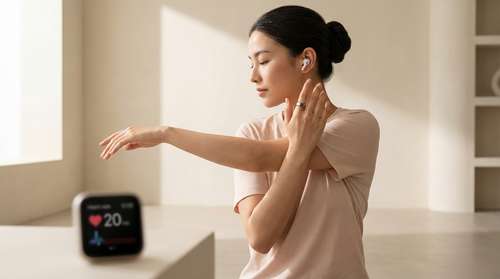
Perhaps the most significant hardware leap of 2026 is the mainstream adoption of heart-sensing audio gear. Devices like the newly released AirPods Pro 3 and Beats Powerbeats Pro 2 now feature in-ear photoplethysmography (PPG) sensors. These earbuds allow users to track their biometric data seamlessly during conference calls or podcast sessions without wearing a dedicated fitness tracker. This "invisible" tracking is key to Zone Zero adoption—it integrates health monitoring into daily life without the friction of gearing up for a workout.
Why Heart Rate Variability (HRV) Is the New Calorie Count
The obsession with closing activity rings is fading in favor of optimizing Heart Rate Variability (HRV). HRV measures the variation in time between each heartbeat and serves as a powerful indicator of your nervous system's balance. High-intensity workouts can temporarily suppress HRV, signaling stress.
Zone Zero activities, conversely, have been shown to boost HRV scores by promoting active recovery. By engaging in low-intensity functional movement, you stimulate the parasympathetic nervous system (the "rest and digest" mode) while still engaging muscles. For cardiovascular longevity, this is a game-changer. It lowers cortisol levels and reduces arterial stiffness, addressing the root causes of heart disease rather than just treating the symptoms.
The 'Symptom Radar' Effect
One of the breakout features of 2026 wearables is "Symptom Radar" logic. Your smart ring or earbuds can now analyze your HRV and body temperature trends to tell you when you are pushing too hard. Instead of suggesting a 5K run, your AI health coach might prescribe 45 minutes of Zone Zero activity to boost your recovery score. This permission to slow down is revolutionizing how Type-A personalities approach heart health.
How to Integrate Zone Zero into Your Day
Adopting Zone Zero doesn't require a gym membership or special equipment. The goal is to interrupt sedentary time every 30 to 45 minutes. Here is how fitness experts recommend building your "Zone Zero" volume:
- The Coffee Micro-Walk: Instead of standing at the counter while your coffee brews, pace around the kitchen or do light calf raises.
- The Standing Meeting: Take audio-only calls while walking slowly or standing. The new heart-sensing earbuds will track this as valuable activity time.
- Commercial Break Stretching: Use TV downtime to do floor stretches or foam rolling, keeping the heart rate slightly elevated above resting levels.
As American Heart Month continues, the message is clear: You don't always need to feel the burn to help your heart. Sometimes, the most powerful thing you can do is simply refuse to sit still.