For decades, the prevailing narrative around getting older has been one of inevitable, linear decline. However, a groundbreaking Yale healthy aging study 2026 released this week has shattered that myth, offering irrefutable evidence that aging is not a one-way street. The landmark research, led by the Yale School of Public Health, reveals that nearly half of adults over age 65 do not just maintain their abilities—they actually show measurable improvements in cognitive or physical function over time.
The Myth of Inevitable Decline: Debunked
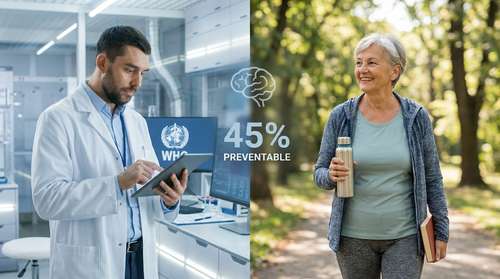
The study, published in the journal Geriatrics on Thursday, analyzed over a decade of data from more than 11,000 participants in the federal Health and Retirement Study. The findings were stark and hopeful: 45% of seniors demonstrated significant recovery or improvement in crucial health metrics previously thought to only deteriorate with age.
"Many people equate aging with an inevitable and continuous loss of physical and cognitive abilities," said Dr. Becca R. Levy, the study's lead author and a professor of social and behavioral sciences at Yale. "What we found is that improvement in later life is not rare, it's common, and it should be included in our understanding of the aging process."
Detailed analysis of the data showed that 32% of participants improved cognitively, while 28% improved physically. These weren't just statistical blips; they were clinically meaningful gains in areas like memory, problem-solving, and walking speed—a metric geriatricians often cite as a "vital sign" for longevity.
The Power of a Positive Mindset in Aging Research
What separates the seniors who improve from those who decline? According to the researchers, the primary driver wasn't just genetics or access to healthcare, but a psychological factor: positive mindset aging research confirms that how we think about aging changes how we physically age.
The Yale team found that participants who held positive age beliefs—viewing aging as a time of wisdom, growth, and satisfaction rather than disability—were significantly more likely to experience these functional rebounds. This aligns with Dr. Levy's renowned "Stereotype Embodiment Theory," which suggests that internalizing positive cultural messages about aging can buffer against stress and reduce inflammation.
Can You Improve With Age? The Biology of Belief
Skeptics often ask, "can you improve with age biologically, or is it just a placebo effect?" The Yale findings suggest a biological mechanism. Seniors with a longevity mindset tend to have lower levels of cortisol (the stress hormone) and better cardiovascular response to challenges.
The study adjusted for variables like chronic disease, depression, and education, yet the correlation remained strong. Those with positive age beliefs were 44% more likely to recover from severe disability than those with negative beliefs. This suggests that the mind can literally instruct the body to rebuild, overriding the typical trajectory of reversing physical decline over 65.
Reversing Physical Decline Over 65: Practical Steps
The implications of this healthy aging news 2026 are transformative for how we approach senior care. It shifts the focus from purely managing decline to actively promoting recovery. Dr. Martin Slade, a co-author of the study, emphasized that because age beliefs are modifiable, they represent a massive, untapped resource for public health.
Here is how seniors can harness these longevity mindset benefits today:
- Challenge Ageist Stereotypes: actively reject the "senior moment" jokes and societal messages that paint older adults as incompetent.
- Focus on "Gain" not "Loss": Shift attention to the emotional intelligence and resilience gained with years, rather than physical speed lost.
- Socialize with Purpose: Engaging in intergenerational communities helps break down the isolation that fuels negative self-perception.
The Future of Cognitive Improvement in Seniors
This research comes at a critical time. As the global population ages, finding low-cost, high-impact interventions is essential. The revelation that cognitive improvement in seniors is possible through mindset shifts opens the door to new therapies that don't rely on pharmaceuticals.
Dr. Levy’s team hopes these findings will encourage doctors to "prescribe" positive aging education alongside blood pressure medication. By treating aging as a malleable process rather than a fixed fate, we can unlock a "reserve capacity" for health that many seniors don't even know they possess.
As this Yale healthy aging study 2026 proves, the calendar might move forward, but our bodies and brains retain the remarkable ability to bounce back.