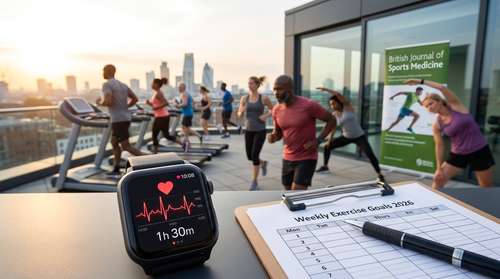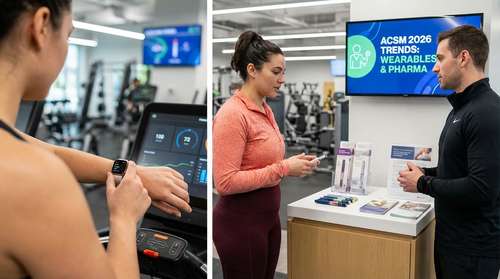
The American College of Sports Medicine (ACSM) officially released its 20th annual Worldwide Fitness Trends report today, confirming a seismic shift in how the world approaches health. While wearable technology reclaimed the top spot for the third consecutive year, the 2026 rankings unveil a historic development: the formal convergence of the fitness industry with clinical obesity treatments. For the first time, the trend of 'Exercise for Weight Management'—now explicitly linked to GLP-1 and exercise programming—has surged to the #3 position, signaling a new era where gyms and healthcare providers work in tandem.
Wearable Technology 2026: Beyond Step Counting
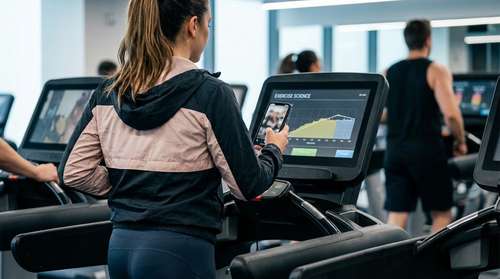
Retaining its dominance at #1, wearable technology 2026 has evolved far beyond simple step counters and heart rate monitors. This year's survey highlights a consumer demand for increasingly sophisticated data. Modern wearables are now expected to track recovery metrics, stress levels (heart rate variability), and even blood glucose trends, integrating deeply into users' daily lives.
"The question is no longer whether people will use wearables, but how they can use them to drive meaningful behavior change," stated the report's lead authors. The 2026 data suggests that the future of gym training will rely heavily on these devices to prescribe personalized fitness technology plans, allowing trainers to monitor clients' physiology in real-time, even when they aren't in the studio.
The GLP-1 Revolution: A New Pillar of Fitness
Perhaps the most disruptive finding in the ACSM annual survey results is the skyrocketing priority of weight management programs designed to support patients on anti-obesity medications. As demand for drugs like Ozempic and Wegovy grows, the fitness industry is pivoting to provide the essential structural support these patients need.
Muscle Preservation is the New Priority
With weight loss medication fitness industry integration becoming a standard, the focus has shifted from calorie burning to muscle preservation. Rapid weight loss from GLP-1 medications often results in significant muscle loss (sarcopenia) if not countered with resistance training. The 2026 trends emphasize that fitness professionals are now critical members of the medical care team, prescribing strength training protocols specifically to protect lean mass and metabolic health during medically assisted weight loss.
The Rise of the 'Silver Economy': Fitness for Older Adults
Climbing to the #2 spot, 'Fitness Programs for Older Adults' reflects a demographic reality: the world is aging, and the Baby Boomer generation refuses to slow down. This isn't just about 'chair yoga'; it's about high-quality, functional training designed to extend healthspan.
The future of gym training 2026 for this demographic focuses on autonomy and power. Programs are moving away from gentle, passive movements toward strength-based interventions that prevent falls and maintain independence. Gyms are increasingly modifying their equipment and programming to be inclusive of older adults who have the time, resources, and motivation to invest heavily in their health.
Holistic Health: Mental Wellbeing and Core Strength
The 2026 rankings also illustrate a move away from pure aesthetics toward holistic well-being. 'Exercise for Mental Health' (#6) and the newly categorized 'Balance, Flow, and Core Strength' (#5) highlight a consumer base that values psychological resilience as much as physical strength.
Exercise for Mental Health continues to gain traction as a standalone trend, with more facilities offering programs specifically designed to alleviate anxiety and depression. Meanwhile, the resurgence of core and balance training—encompassing Pilates, Barre, and stability work—suggests a desire for functional longevity and injury prevention over high-intensity burnout.
Mobile Apps and Hybrid Training Models
Rounding out the top 5, Mobile Exercise Apps (#4) prove that digital fitness is not a pandemic fad but a permanent fixture. However, the application has changed. In 2026, apps are less about replacing the gym and more about augmenting it.
Consumers now expect a hybrid model where their facility's app guides their nutrition, recovery, and at-home workouts, feeding data back to their in-person coaches. This seamless integration of personalized fitness technology ensures that guidance is continuous, data-driven, and hyper-specific to the individual's goals.
What This Means for the Future
The ACSM 2026 fitness trends report paints a clear picture: the lines between fitness, healthcare, and technology have blurred permanently. The siloed approach of the past—where you went to the doctor for health and the gym for muscles—is over. Whether through bio-monitoring wearables, GLP-1 supported strength programs, or longevity-focused training for seniors, the industry is maturing into a vital component of the global healthcare ecosystem.