The health and wellness landscape is experiencing a paradigm shift. Just days ago, the American College of Sports Medicine (ACSM) unveiled its highly anticipated report on the top 2026 fitness trends. While fitness trackers have dominated the conversation for a decade, the most groundbreaking revelation in this year's forecast is the official merging of medical interventions with traditional gym programming. Specifically, the explosive popularity of obesity medications has catalyzed a new era of training protocols.
Based on insights from thousands of clinicians and exercise professionals, the 20th-anniversary report highlights a sophisticated future. The industry is no longer just about burning calories; it is about holistic health, longevity, and clinical collaboration. As we examine the findings, one thing is abundantly clear: the convergence of pharmacology and physical activity is rewriting the rules of the fitness industry.
A Historic Shift in the ACSM Worldwide Survey
For two decades, the ACSM worldwide survey has served as the definitive crystal ball for health clubs, trainers, and clinicians. The 2026 edition, led by ACSM-certified exercise physiologist Dr. Cayla R. McAvoy, paints a picture of a maturing industry. While wearable technology 2026 secures the number one spot for the tenth year, the real headline is the rapid ascent of Exercise for Weight Management, which has climbed to the number three position—its highest ranking to date.
This surge directly mirrors the global health climate. With obesity affecting 42.4% of U.S. adults, and approximately 49% of that population actively attempting to manage their weight, fitness facilities are adapting their services. The traditional eat less, move more mantra has been replaced by nuanced, scientifically backed programming that acknowledges modern medical realities.
GLP-1 and Exercise: The New Gold Standard for Metabolic Health
The most defining characteristic of the 2026 fitness landscape is the ubiquitous presence of GLP-1 receptor agonists. Medications like Ozempic, Wegovy, and Zepbound have revolutionized obesity treatment, but they are not standalone cures. The ACSM's latest guidelines officially incorporate protocols combining GLP-1 and exercise to optimize patient outcomes.
Research indicates that patients who maintain a structured workout routine during pharmacological treatment experience significantly higher fat loss than those relying on medication alone. More importantly, they demonstrate vastly superior physical function and metabolic health. As a result, fitness professionals are increasingly required to understand the physiological impacts of these drugs, tailoring workouts to support patients who may be experiencing rapid bodily changes, fatigue, or altered nutritional intake.
Prioritizing Muscle Preservation During Weight Loss
A critical concern surrounding the new wave of anti-obesity medications is the indiscriminate shedding of body mass. Dr. Sarah M. Camhi, an ACSM-certified exercise physiologist, recently highlighted that weight-loss drugs can inadvertently reduce vital muscle tissue, which poses significant long-term health risks. Consequently, muscle preservation during weight loss has become a primary directive in modern programming.
To combat muscle atrophy, trainers are emphasizing resistance training over steady-state cardio for clients on GLP-1 therapies. This targeted approach ensures that patients maintain a healthy metabolic rate and retain the physical strength necessary for daily activities. Facilities are revamping their curricula to offer specialized strength clinics specifically designed for individuals undergoing medical weight loss.
Wearable Technology 2026: Beyond Basic Step Counting
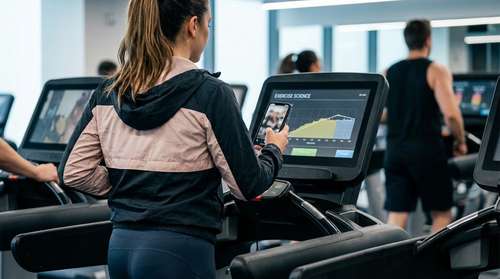
While the focus on medical weight loss represents a massive cultural shift, the dominance of wearable technology 2026 continues to facilitate these advancements. Nearly half of all U.S. adults now utilize a fitness tracker or smartwatch, but the application of these devices has evolved dramatically.
Modern wearables are moving beyond basic step counting and heart rate monitoring. The newest iterations integrate seamlessly with healthcare platforms, tracking comprehensive metrics such as:
- Body composition and lean mass tracking
- Advanced sleep architecture and recovery analysis
- Continuous glucose monitoring (CGM) compatibility
- Real-time metabolic health indicators
These data points are indispensable for trainers and clinicians monitoring patients on GLP-1 medications, providing a real-time window into how the body is responding to both the drugs and the exercise regimen.
Medicalized Fitness Integration: The Future of Weight Management
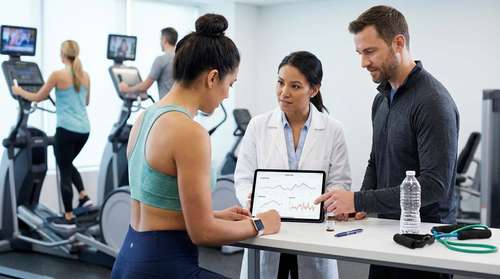
The silos separating the doctor's office and the gym floor are finally collapsing. Medicalized fitness integration is no longer a niche concept; it is rapidly becoming the industry standard. Health clubs are transforming into wellness campuses, employing registered dietitians, physical therapists, and clinical exercise physiologists to provide a continuum of care.
This holistic, multidisciplinary approach represents the true future of weight management. By combining the pharmacological power of GLP-1 medications, the precision of advanced wearables, and the physiological benefits of targeted strength training, the health and fitness industry is equipped to tackle the obesity epidemic more effectively than ever before. As we move deeper into 2026, expect to see your local gym look less like a traditional health club and more like a comprehensive, data-driven preventative healthcare facility.