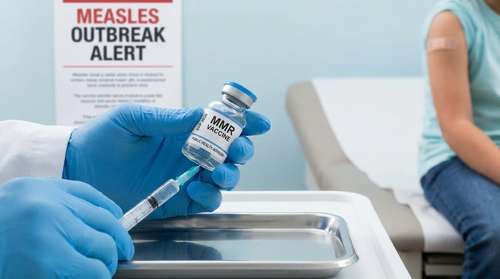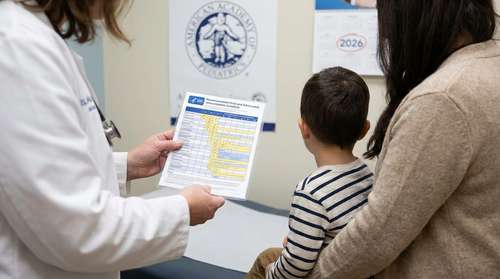
For the first time in nearly seven decades, the American Academy of Pediatrics (AAP) has formally separated its immunization guidance from the Centers for Disease Control and Prevention (CDC), leaving millions of American families navigating two conflicting sets of medical advice. The release of the 2026 AAP immunization schedule this month marks a historic divergence, as pediatricians urge parents to stick with the comprehensive protection of 18 routine vaccines despite new federal guidelines that roll back recommendations for diseases like influenza, COVID-19, and hepatitis A and B.
The Great Vaccine Split of 2026
The confusion began in January and has intensified this week as the AAP’s new "Red Book" guidelines officially hit clinics across the country. While the CDC—under the direction of new HHS leadership—has overhauled the federal schedule to align with a "minimalist" international model similar to Denmark's, the AAP has steadfastly maintained its evidence-based recommendations.
Dr. Sean O'Leary, chair of the AAP Committee on Infectious Diseases, emphasized in a recent press briefing that the AAP vs CDC vaccine split is not about politics, but about patient safety in the U.S. healthcare environment. "Comparing the U.S. childhood immunization schedule to that of Denmark ignores fundamental differences in our population density, healthcare access, and infectious disease risk," O'Leary stated. "We are living in the real world of the United States, and our schedule protects children against the threats they face here, today."
Key Changes: What the CDC Cut (and AAP Kept)
The most shocking aspect of the pediatric vaccine changes 2026 is the sheer number of preventatives the federal schedule has dropped from the "routine" list. The new CDC guidance moves six major vaccinations into conditional or "high-risk" categories, effectively removing the universal recommendation for healthy children. The AAP, however, continues to recommend childhood immunization updates for all 18 diseases.
Here is where the two schedules diverge most sharply:
- Flu & COVID-19: The CDC now classifies these as "shared clinical decision-making" options, removing the universal annual recommendation. The AAP continues to recommend them for all children starting at 6 months.
- Hepatitis A & B: Federal guidance now suggests these only for high-risk groups. The AAP maintains them as routine universal vaccines to prevent liver disease.
- Rotavirus & Meningococcal: Cut from the federal routine list; kept by the AAP.
The RSV Vaccine for Infants 2026 Update
One of the most critical points of contention is the RSV vaccine for infants 2026 guidance. Respiratory Syncytial Virus (RSV) remains a leading cause of hospitalization for U.S. infants. The new federal schedule limits RSV immunization recommendations strictly to high-risk infants. In stark contrast, the AAP continues to recommend the monoclonal antibody (or maternal vaccination) for all infants entering their first RSV season, citing data that universal protection significantly reduces ICU admissions.
AAP Red Book Guidelines: HPV and Meningitis
Beyond the cuts, there are disagreements on dosage. The federal schedule has moved to a single-dose recommendation for the HPV vaccine to prevent certain cancers. The AAP Red Book guidelines, however, argue that the evidence for a one-dose regimen is still under review and insufficient to guarantee long-term protection. Consequently, pediatricians are continuing to administer the standard two-dose series for adolescents starting between ages 9 and 12.
What This Means for Insurance and Schools
This unprecedented split has created immediate anxiety regarding family health news: Will insurance still cover vaccines the CDC no longer strictly recommends? Fortunately, major insurers have confirmed through late February that they will continue to cover the full AAP-endorsed schedule for the 2026 calendar year, adhering to state-level mandates rather than the new federal minimums.
School entry requirements, which are determined by state legislatures rather than federal agencies, also remain largely unchanged for now. Most states rely on the Advisory Committee on Immunization Practices (ACIP) or AAP guidelines, and early indications from state health departments suggest they will continue to enforce the broader AAP standards to prevent outbreaks of measles and meningitis in classrooms.
Actionable Advice for Parents
With "official" sources now contradicting each other, parents are understandably confused. Pediatric experts advise families to treat the AAP schedule as the "gold standard" for medical care, while viewing the new federal schedule as a stripped-back regulatory framework.
"Your pediatrician's goal is to keep your child out of the emergency room," says Dr. Pia Pannaraj, a member of the AAP infectious diseases committee. "The 2026 AAP schedule is the only one that ensures your child has maximum protection against preventable illnesses that are still circulating in our communities."