In what is being hailed as a landmark moment for nutritional science, a newly released 2026 cancer nutrition study has provided the most definitive evidence yet on how our food choices influence disease development. Timed perfectly with late March National Nutrition Month news, researchers from Oxford Population Health's Cancer Epidemiology Unit have published unprecedented findings in the British Journal of Cancer. Following participants across three continents for over 16 years, this massive 1.6 million person study confirms that dropping meat in favor of plant-centric eating can drastically reduce the likelihood of developing five major types of cancer. However, the data also carries a crucial warning: simply being meat-free isn't enough to guarantee optimal health.
Unprecedented Scale: The 1.6 Million Person Study
For decades, the link between a plant-based diet cancer risk reduction and overall longevity has been hotly debated. While previous research hinted at protective effects, smaller sample sizes often left room for doubt. This latest research, funded by the World Cancer Research Fund, shatters those limitations. By pooling health and dietary records from individuals in the United States, the United Kingdom, Taiwan, and India, scientists gained unparalleled insight into long-term disease outcomes.
Researchers categorized participants into distinct dietary groups—including meat-eaters, pescatarians, vegetarians, and vegans—tracking their health trajectories for an average of 16 years. The results present a compelling case for vegetarian diet health benefits, showing remarkable risk reductions for specific malignancies compared to regular meat consumers.
Five Major Cancers Reduced
The most striking takeaways from the data revolve around five specific cancer types. Participants who adhered to meat-free diets experienced:
- A 31 percent lower risk of multiple myeloma (a type of blood cancer)
- A 28 percent lower risk of kidney cancer
- A 21 percent lower risk of pancreatic cancer
- A 12 percent lower risk of prostate cancer
- A 9 percent lower risk of breast cancer
Dr. Aurora Perez-Cornago, a principal investigator of the study, noted that vegetarians typically consume significantly more fruit, vegetables, and fiber than meat-eaters. Fiber doesn't just regulate digestion; it binds to potential carcinogens in the gastrointestinal tract and safely escorts them out of the body before they can cause cellular mutations. Furthermore, the total absence of processed meats—which are classified as known carcinogens by the World Health Organization—combined with high nutrient intake likely drives these powerful protective mechanisms.
The Ultra-Processed Trap: Quality Over Categorization
While the headlines correctly celebrate the protective power of plants, a closer examination of the data reveals essential nuances. The study uncovered an unexpected anomaly: vegetarians in the cohort actually exhibited a nearly doubled risk of squamous cell carcinoma of the esophagus, and vegans showed a heightened risk for colorectal cancer compared to their meat-eating counterparts.
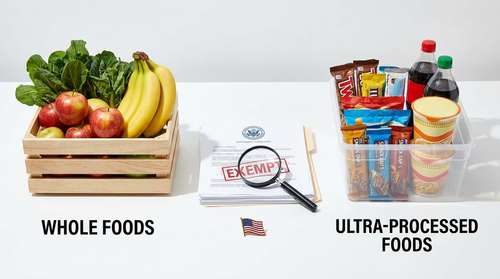
Why would a theoretically healthy diet lead to these specific vulnerabilities? Nutritional experts point to the modern proliferation of ultra-processed vegetarian convenience foods and potential nutrient deficiencies. Historically, non-meat diets were built entirely around whole, natural foods. Today, grocery store aisles are flooded with hyper-processed vegan snacks and frozen meals that mimic the taste and texture of meat but carry inflammatory risks. A diet consisting entirely of refined grains, sugary beverages, and heavily processed meat alternatives technically qualifies as meat-free, but it severely lacks the whole food plant-based benefits necessary for cellular protection. Researchers hypothesize that deficiencies in specific nutrients more abundant in animal products, such as certain B vitamins and calcium, might explain these vulnerabilities when diets are poorly planned.
Building Your Cancer Prevention Diet 2026
As we analyze this groundbreaking 2026 cancer nutrition study, the ultimate lesson is that dietary quality supersedes mere dietary labels. If you want to harness the true protective power of a plant-based lifestyle, intentionality is paramount.
Here is how top oncological dietitians recommend applying these findings to your daily life:
- Focus on Fiber: Make legumes, lentils, and beans the cornerstone of your plate. These fiber-rich powerhouses support a healthy gut microbiome, which is increasingly linked to robust immune function and cancer defense.
- Eat the Rainbow: Different colored vegetables provide distinct phytochemicals and antioxidants. Cruciferous vegetables like broccoli and leafy greens like spinach contain compounds that actively help neutralize cellular damage.
- Supplement Smartly: If you are transitioning to a fully plant-based lifestyle, consult with a registered dietitian to ensure you are meeting your foundational needs for Vitamin B12, Vitamin D, iron, and calcium.
- Minimize Processed Substitutes: Swap factory-made fake meats for whole-food alternatives like tempeh, tofu, or jackfruit to avoid hidden sodium and chemical preservatives.
The scientific consensus is clearer than ever before. By shifting our plates toward diverse, minimally processed plant foods, we possess a profound opportunity to influence our long-term health trajectory. As this 1.6 million person study proves, the path to a highly effective cancer prevention diet 2026 doesn't just lie in what we remove from our diets, but in the vibrant, nutrient-dense whole foods we deliberately choose to include.