Switching to a plant-based lifestyle for just one month can trigger profound changes at the molecular level. For years, scientists have explored how to slow biological aging, but the speed at which our bodies adapt to dietary shifts continues to surprise experts. According to a landmark trial published on August 3, 2026, in the journal MedComm, going meatless for four weeks rapidly alters the body's epigenome. This breakthrough in vegan diet epigenetics demonstrates that our daily dietary choices yield immediate biological consequences, challenging the outdated assumption that deep cellular health takes years to overhaul.
The randomized clinical trial, led by researchers at the University of California San Diego (UCSD) and the University of Freiburg in Germany, followed 48 healthy adults. Participants were assigned to either a purely vegan protocol or a meat-rich regimen. After just 28 days, the plant-based cohort exhibited distinct shifts in DNA methylation—the chemical modifications that essentially flip genes on or off without changing the underlying genetic sequence.
Plant-Based Diet DNA Methylation: What the Data Shows
Dietary habits have long been correlated with chronic illnesses, including cardiovascular disease, diabetes, and certain cancers, but the mechanics behind these connections remain highly complex. The MedComm vegan study 2026 set out to map exactly how food interacts with the epigenome. Rather than merely tracking individual genes, researchers analyzed over 800,000 methylation sites across the human genome before and after the dietary intervention.
The results were stark. The plant-based participants displayed a significant remodeling of their epigenetic landscapes, specifically in pathways tied to metabolism, immune function, and cell growth. While the meat-rich group maintained their baseline epigenetic markers, the vegan group experienced gene-promoter silencing in several cancer-related pathways. This rapid cellular response indicates that our genetics are heavily modulated by daily inputs.
"Our genes are not our destiny," explained Jerome Mertens, PhD, an associate professor of neurosciences at UCSD School of Medicine and co-senior author of the study. "The remarkable finding isn't simply that one diet outperformed another. It's that the epigenome responded measurably in just four weeks, showing that our biology is far more dynamic—and responsive to everyday choices—than we often assume".
A Proven Reduce Inflammation Diet
Chronic inflammation is a widely recognized driver of age-related diseases, from arthritis to Alzheimer's. One of the most critical takeaways from the UCSD and University of Freiburg trial is how effectively a plant-based regimen operates as a reduce inflammation diet.
Through advanced DNA methylation analyses, researchers were able to predict shifts in immune cell populations, which were later confirmed by physical blood cell measurements taken during the original trial. Individuals on the vegan plan exhibited marked shifts in their immune cell profiles. The most notable changes included:
- Decreased Neutrophils: A significant reduction in the immune cells primarily responsible for driving acute and systemic inflammation.
- Elevated CD4 T Cells: A measurable increase in helper T cells, which play a vital role in regulating a balanced, healthy immune response.
- Silenced Cancer Pathways: Epigenetic down-regulation of cell growth pathways tied to tumor development and progression.
This transition toward a less inflammatory state provides critical evidence for clinicians aiming to treat inflammation-driven conditions. When the immune system is relieved of the burden of constantly fighting low-grade inflammation, the body can successfully redirect its resources toward cellular repair and structural maintenance.
How to Slow Biological Aging: The Epigenetic Clocks
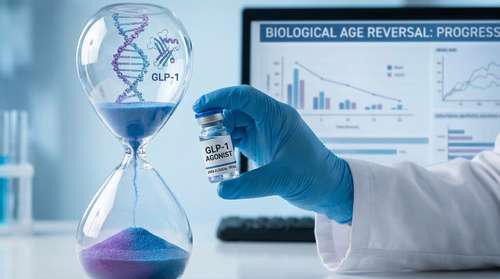
While chronological age progresses at a fixed rate, biological age is highly malleable. If you are looking to reverse biological age or prevent premature cellular breakdown, targeted nutrition is arguably your most powerful tool. To measure this, the research team utilized two distinct epigenetic clocks designed to evaluate long-term health outcomes and predict biological aging.
Reversing the Clock on Cellular Health
The data indicated that individuals following the meat-free protocol experienced a measurable deceleration in biological aging over the course of the one-month study. This is a profound revelation for the field of epigenetics and nutrition. The rapid timeline suggests that interventions do not need to span decades to be effective. By adopting a nutrient-dense, plant-forward lifestyle, individuals can actively slow down the degradation of their cells and tissues within mere weeks.
The mechanism behind this anti-aging effect is directly tied to the reduction of oxidative stress and the down-regulation of metabolic pathways that typically accelerate cellular wear and tear. A diet rich in plant fibers, phytonutrients, and antioxidants provides the raw materials necessary to keep these epigenetic clocks ticking at a slower, healthier pace.
Epigenetics and Nutrition: Shaping Your Future Biology
The intersection of epigenetics and nutrition continues to reshape modern medicine. While long-term adherence to healthy eating habits provides the most compounding benefits, the UCSD and Freiburg findings emphasize the immediate power of your grocery list. A temporary dietary pivot forces the body to adapt, rapidly altering the chemical tags on your DNA that govern whether specific sequences are expressed or silenced.
You do not necessarily have to abandon meat forever to glean valuable health benefits. However, integrating dedicated periods of strict plant-based eating could serve as a powerful biological reset. Incorporating dark leafy greens, legumes, nuts, and seeds provides an abundance of methyl donors—nutrients that physically supply the chemical groups needed for optimal DNA methylation.
As science increasingly decodes the complex language of our genome, the foundational message remains remarkably straightforward. The food you consume dictates the genetic instructions your cells carry out every single day. By recognizing the immediate cellular impact of a vegan diet, you are better equipped to leverage food as functional medicine, slowing the aging process and reducing systemic inflammation one meal at a time.