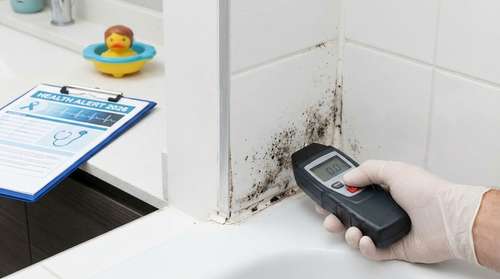
On March 29, 2026, medical professionals and pediatric pulmonologists issued a nationwide warning that completely shifts how we view routine home maintenance. The focal point of this urgent advisory isn't an exotic virus or an outdoor pollutant—it is the peeling caulk lining your shower. Health authorities have officially recognized deteriorating bathroom sealants as a primary source of indoor fungal exposure, directly linking these compromised barriers to a sudden, alarming spike in severe pediatric asthma cases. For children suffering from pediatric respiratory issues mold exposure is now one of the first environmental factors specialists investigate. Understanding these hidden bathroom mold health risks is an absolute necessity for any household with young children.
The Mechanics of the Silicone Sealant Health Alert
For years, homeowners have treated black spots on shower edges as a mere cosmetic annoyance. However, the latest silicone sealant health alert reveals a much darker reality. Standard caulk and aging silicone degrade under the constant assault of hot water, fluctuating humidity, and organic soap scum. As the material weakens, microscopic fissures form.
Moisture becomes trapped within and behind these cracks, creating a dark, damp incubator perfectly suited for dangerous fungal species. Common culprits include Aspergillus, Cladosporium, and Penicillium, which thrive in wet, indoor conditions. Because the growth occurs deep within the structural gaps of your bathroom, parents often have no idea a severe infestation exists until the health effects become impossible to ignore. Every time a door opens or an exhaust fan kicks on, invisible spores are pulled into the air currents of your home, traveling far beyond the washroom and settling into bedrooms and play areas.
Recognizing Toxic Mold Symptoms in Children
Why is this specifically a pediatric crisis? Children breathe at a faster rate than adults and take in more air relative to their body weight, making their developing lungs highly susceptible to airborne contaminants. Research indicates that nearly 80% of all asthma cases begin before a child turns six. Furthermore, studies show that living in a moisture-damaged environment increases a child's risk of developing asthma by up to five times by the time they reach school age. Approximately 50% of children with persistent asthma are already sensitized to indoor mold.
Parents must be vigilant in identifying toxic mold symptoms in children, which are frequently misdiagnosed as endless winter colds or seasonal allergies. Watch for these crucial warning signs:
- Chronic, dry coughing that worsens at night or after baths.
- Unexplained allergic rhinitis, including persistent sneezing, runny nose, and red, watery eyes.
- Frequent wheezing or shortness of breath during physical activity.
- A sudden escalation in the frequency or severity of known childhood asthma triggers.
When a child's immune system is repeatedly forced to fight off inhaled fungal spores, it remains in a constant state of inflammation. This chronic inflammatory response transforms mild sensitivities into severe, persistent asthma requiring heavy medication and frequent medical intervention. Pediatric pulmonologists note that removing the environmental trigger is just as critical as prescribing inhalers.
Actionable Steps for Household Mold Prevention 2026
Eradicating this threat requires more than just spraying bleach on your tiles. In fact, surface cleaners often fail to penetrate the silicone where the root system of the fungus thrives. To protect your family, you must adopt the latest strategies for household mold prevention 2026.
Replace, Don't Just Clean
When silicone shows signs of structural degradation—such as peeling, cracking, or stubborn black stains that resist scrubbing—it is entirely compromised. You must completely strip out the old sealant using a utility tool, disinfect the underlying gap with a specialized fungicide, and apply a fresh bead of premium, 100% mold-resistant sanitary silicone. Ordinary silicone should never be used in wet environments, as it lacks the chemical formulation to prevent fungal blooms.
Control the Indoor Climate
Moisture management is your strongest defense against airborne spores. Run an exhaust fan during every shower and leave it on for at least thirty minutes afterward to properly cycle out the humid air. If your bathroom lacks mechanical ventilation, open a window and utilize a portable dehumidifier. Furthermore, implement a strict routine of wiping down shower walls and glass doors with a squeegee immediately after use. Removing standing water starves potential fungal colonies of their primary life source.
Wash All Bathroom Textiles
Spores do not just stay on hard surfaces; they settle heavily into porous fabrics. Wash bathmats, towels, and fabric shower curtains at least once a week in hot water to prevent them from becoming secondary breeding grounds for bacteria and fungi.
Championing HealthVot Family Wellness
Your home should be a safe harbor, not a hidden source of illness. By treating bathroom maintenance as an extension of preventative healthcare, you can actively shield your children from entirely preventable respiratory conditions. Staying informed about these environmental hazards is a core pillar of healthvot family wellness. Take ten minutes today to thoroughly inspect the seals around your tubs, sinks, and showers. That simple visual check could be the most important step you take for your child's lung health this year.