February 15, 2026 – For decades, the gym industry relied on the January rush of New Year's resolutions, followed by a predictable drop-off in March. But 2026 has rewritten the rulebook. New industry data released this week reveals a startling 14% year-over-year surge in gym memberships across the United States—a growth curve that defies traditional seasonal patterns. The driver isn't a new celebrity workout or a viral TikTok trend; it is the mass adoption of GLP-1 medications like Ozempic, Wegovy, and Zepbound, which has inadvertently birthed a new class of exerciser: the "strength-first" patient.
This surge marks a pivotal moment in the fitness industry's history, often referred to as the "fitness-x-pharma" convergence. As millions of Americans manage their weight through pharmacotherapy, they are discovering that medication alone is insufficient for long-term health. The result is a massive migration toward facilities that offer GLP-1 fitness routines designed to combat the one major side effect of rapid weight loss: muscle degradation.
The Rise of 'Companion Strength Training'
The narrative surrounding weight loss drugs has shifted dramatically since their mainstream explosion in 2024. Early concerns about "Ozempic Face" have evolved into a more serious medical focus on sarcopenic obesity—a condition where a patient loses weight but also sheds critical lean muscle mass, leading to a slower metabolism and frailty. Clinical trials have shown that up to 40% of weight lost on GLP-1s can be lean muscle if not counteracted by lifestyle changes.
This reality has driven the 14% membership spike. Users are not flocking to treadmills; they are crowding weight rooms. "The goal for this demographic isn't calorie burning, because the medication handles the energy deficit," explains Dr. Marcus Thorne, a sports medicine analyst. "The goal is structural preservation. They are there to lift heavy, eat protein, and signal their bodies to keep muscle. We call this 'companion strength training,' and it is the single biggest revenue driver for gyms in 2026."
Luxury Gyms Pivot to Medical Wellness
High-end fitness operators identified this trend early and are now reaping the rewards of their strategic pivots. The traditional gym model has effectively merged with the medical clinic, creating a new "medical-wellness" ecosystem.
Life Time's Miora Strategy
Life Time has arguably been the most aggressive in this space. Following the successful pilot of its Miora longevity clinics in 2024 and 2025, the company has expanded these integrated centers nationwide. In 2026, a Life Time membership often looks more like a healthcare subscription. Their Miora clinics provide the GLP-1 prescriptions and peptide therapies directly, paired with mandatory personal training sessions.
This vertical integration allows Life Time to control the entire patient journey. By offering medical wellness gym programs under one roof, they ensure that a patient receiving a semaglutide injection is immediately funneled into a resistance training program, maximizing results and retention.
Equinox's Coaching Protocol
Equinox has taken a different but equally successful approach. Rather than dispensing the drugs, they have positioned themselves as the premier destination for strength training for Ozempic users. Their specialized coaching tier, launched two years ago, has matured into a core offering. Coaches are now trained specifically in the physiology of GLP-1 users, understanding how to manage the fatigue and lower recovery rates associated with a calorie deficit while still pushing for hypertrophy (muscle growth).
Defining the GLP-1 Workout
So, what does a muscle mass preservation workout look like in 2026? Unlike the high-intensity interval training (HIIT) classes that dominated the 2010s, these routines are lower in volume but higher in intensity.
- Heavy Compound Movements: The focus is on squats, deadlifts, and presses that recruit maximum muscle fibers.
- Longer Rest Periods: Because GLP-1 users often have lower glycogen stores, recovery between sets is prioritized over keeping the heart rate up.
- Protein Timing: Trainers are now part-time nutritionists, emphasizing protein intake windows to ensure that the mechanical stress of lifting translates to muscle repair.
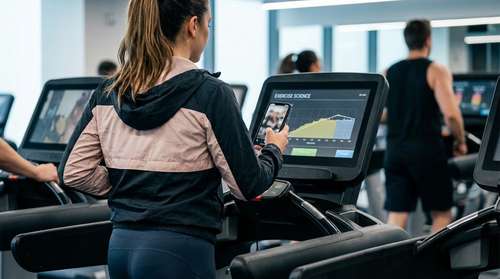
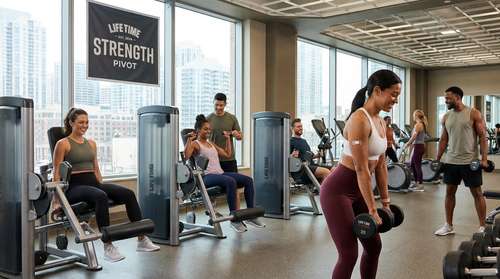
This shift has even influenced gym floor layouts. Operators are reducing cardio zones to make room for more squat racks and free weight areas, accommodating the influx of members prioritizing resistance over endurance.
2026 Gym Industry Trends: The New Normal
The data suggests this is not a bubble. As the cost of generic GLP-1s decreases and insurance coverage expands, the pool of users will only grow. For the fitness industry, the implication is clear: the era of the "gym rat" is being supplemented by the era of the "medical fitness patient."
Gyms that fail to accommodate weight loss medication exercise protocols risk obsolescence. The 14% surge is just the beginning. As we move deeper into 2026, the most successful fitness brands will be those that view the pharmacy not as a competitor, but as their most valuable lead generator.