A sharp winter surge of the novel NB.1.8.1 variant, widely nicknamed "Nimbus," has officially pushed viral activity to "very high" levels in 13 states as of January 13, 2026. Driving a new wave of emergency department visits across the Northeast and Midwest, this highly contagious strain is characterized by a distinctive, severe sore throat that patients describe as feeling like "razor blades." As the winter respiratory virus peak coincides with this aggressive new variant, health officials are urging Americans to renew precautions and check their vaccination status.
The "Nimbus" Surge: Mapping the Hotspots
According to the latest CDC COVID tracker January 2026 data, the viral landscape has shifted dramatically since the holidays. Wastewater surveillance and positivity rates confirm that 13 states have now entered the "Very High" category for viral respiratory activity. The surge is most concentrated in the Northeast and Midwest, regions that have been battered by a "tripledemic" of flu, RSV, and now the dominant NB.1.8.1 strain.
States grappling with the most intense transmission include New York, New Jersey, Massachusetts, Connecticut, and Ohio, alongside rapid escalations in Nebraska and South Dakota. The 13 states COVID surge map highlights a clear corridor of infection where cold weather has driven populations indoors, creating ideal conditions for Nimbus to thrive. Hospital administrators in these areas report a marked increase in admissions, though largely for dehydration and symptom management rather than the severe respiratory failure seen in earlier pandemic phases.
Identifying Nimbus Variant COVID Symptoms
While Nimbus variant COVID symptoms share similarities with previous Omicron lineages, clinicians are noting a specific, aggressive presentation in 2026 cases. The hallmark sign of NB.1.8.1 is an excruciatingly painful sore throat—often the very first symptom—which can make swallowing difficult and lead to dehydration.
Patients report the following progression of symptoms:
- Severe, sharp sore throat: Described as a "razor blade" sensation, distinct from the scratchiness of mild colds.
- Intense fatigue: A profound exhaustion that can linger for weeks.
- Gastrointestinal distress: Nausea and vomiting are appearing more frequently than with previous variants.
- High fever and muscle aches: Typical sudden-onset flu-like symptoms.
Unlike earlier strains, loss of taste and smell remains less common. However, the prevalence of severe sore throat COVID 2026 cases has prompted doctors to recommend aggressive hydration and over-the-counter pain management as a first line of defense.
The Science of NB.1.8.1: Why It’s Taking Over
The NB.1.8.1 variant 2026 is a descendant of the JN.1 lineage but carries specific spike protein mutations—specifically at positions like F59S and V445H—that significantly enhance its ability to bind to human ACE2 receptors. This "sticky" quality allows Nimbus to infect cells more efficiently, even in individuals with prior immunity.
Virologists emphasize that while Nimbus is more transmissible, it does not appear to be more intrinsically virulent (deadly) than its predecessors. The spike in hospitalizations is largely driven by the sheer volume of cases and the severity of the symptoms like dehydration, rather than lung damage. "The virus has evolved to get in faster and replicate in the upper airways," notes a leading infectious disease specialist. "That’s why the throat pain is so intense—the viral load in the pharynx is incredibly high."
2025-2026 COVID Vaccine Protection
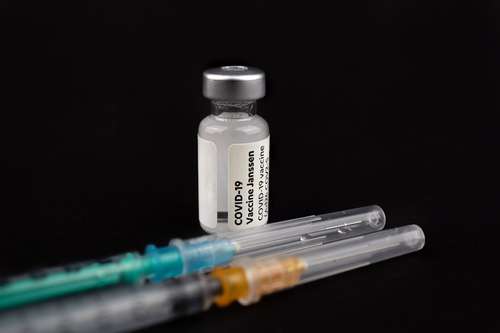
A critical question for many is whether current shots still work. Public health data indicates that the updated 2025-2026 COVID vaccine protection remains robust against severe outcomes, hospitalization, and death, even with the mutations seen in Nimbus. The bivalent boosters distributed last fall were designed to target lineages closely related to NB.1.8.1.
While the vaccines may not completely prevent infection due to the variant's immune-evasive properties, they significantly shorten the duration of illness and reduce the risk of Long COVID. Officials recommend that anyone who hasn't received a booster in the last six months—especially those over 65 or immunocompromised—should seek one immediately to navigate the remainder of the winter surge safely.
Navigating the Peak
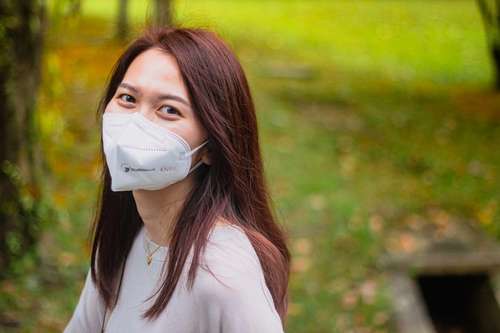
With the winter respiratory virus peak expected to continue through February, standard precautions remain your best defense. High-quality masks (N95 or KN95) are highly effective against the Nimbus variant in crowded indoor spaces. Furthermore, rapid antigen tests are generally still detecting NB.1.8.1, though the FDA advises swabbing both the throat and nose given the virus's localization in the pharynx.