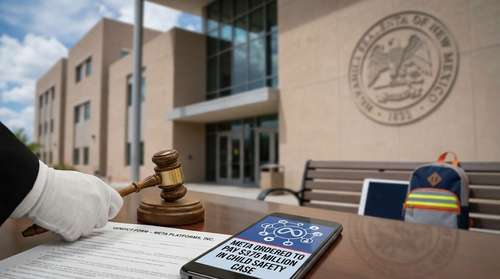
On Tuesday, March 24, 2026, a New Mexico jury delivered a historic blow to Big Tech, ordering Meta Platforms Inc. to pay a staggering civil penalty. The landmark decision marked the culmination of a high-profile Meta child safety lawsuit, finding the parent company of Facebook and Instagram liable for misleading the public and failing to shield young users from online predators. This monumental New Mexico Meta verdict 2026 represents the first monetary judgment of its kind against a social media conglomerate over the physical and mental safety of children.
The Core of the Meta $375 Million Penalty
Following a grueling seven-week trial, the Santa Fe jury deliberated for less than two days before reaching a unanimous consensus. They concluded that Meta willfully violated the state’s Unfair Practices Act. New Mexico Attorney General Raúl Torrez, who initiated the litigation in late 2023, argued successfully that the tech giant routinely prioritized corporate profits and user engagement metrics over protecting children on social media.
The panel imposed the maximum allowable fine of $5,000 for each of the thousands of individual consumer protection violations identified during the proceedings. While state prosecutors initially suggested penalties that could have eclipsed the $2 billion mark based on the state's extensive teenage user base, the final Meta $375 million penalty still sends an unmistakable warning to Silicon Valley regarding corporate responsibility and the urgent need for robust digital safety for families.
Damning Evidence: Undercover Stings and Whistleblowers
The prosecution’s case leaned heavily on chilling evidence gathered during a state-run undercover operation. Law enforcement investigators created dummy accounts posing as minors under the age of 14 to test the platform's safety infrastructure. These accounts rapidly attracted explicit material and unwanted solicitations from adults. The sting operation ultimately led to real-world criminal charges against multiple individuals—including one registered sex offender who had easily circumvented Facebook's existing bans to contact a supposed 11-year-old.
Supplementing the undercover operation was powerful testimony from former Meta engineering leader turned whistleblower Arturo Béjar. He detailed internal communications and warnings regarding the negative social media impact on kids. The jury reviewed confidential documents demonstrating that corporate executives were allegedly aware their algorithms could facilitate severe harm, fundamentally undermining the company's public commitment to online child exploitation prevention. Beyond predatory behavior, the court heard extensive testimony regarding how the platform's design actively served dangerous content related to eating disorders and self-harm to vulnerable adolescents.
Meta’s Defense and Immediate Response
Throughout the proceedings, Meta's legal defense team maintained that the corporation invests heavily in sophisticated safeguards and content moderation tools to protect younger demographics. They argued that the state cherry-picked isolated documents and presented a sensationalized narrative that ignored the billions of safe interactions occurring daily on the platform.
Immediately following the verdict, a company spokesperson expressed profound disappointment, confirming that Meta plans to vigorously appeal the decision. The corporation reiterated its stance that identifying and neutralizing bad actors remains an industry-wide challenge, insisting they remain confident in their track record of protecting teens online. Despite the legal setback and the massive fine, the broader financial market barely reacted, with the trillion-dollar company's stock actually rising slightly in after-hours trading.
Future Legal Battles and Structural Changes
The ripple effects of this verdict extend far beyond New Mexico's borders. It arrives as a separate, high-stakes trial unfolds in Los Angeles, where a different jury is currently deliberating whether Meta and YouTube deliberately engineered their platforms to foster youth addiction. More than 40 state attorneys general have filed similar actions against the tech behemoth, signaling a nationwide crackdown on platforms contributing to the youth mental health crisis.
For parents and child advocates, the outcome in Santa Fe represents a tangible victory in the ongoing battle for algorithmic accountability. However, the legal fight in New Mexico is far from over. A secondary bench trial is already scheduled for May 4, 2026. During this subsequent phase, Attorney General Torrez will petition the court to mandate structural changes to Meta’s product design.
The state is seeking court-ordered injunctions that would require stringent age verification protocols and modifications to encrypted messaging systems that currently shield predatory behavior. If successful, these platform changes could fundamentally alter how minors interact with social networks, establishing a new national standard and forcing the tech industry to finally prioritize user well-being over continuous engagement.