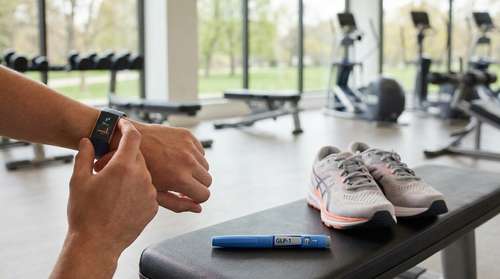
In a groundbreaking development for mental health treatment, a comprehensive umbrella review published yesterday, February 10, 2026, in the British Journal of Sports Medicine (BJSM) has delivered a compelling verdict: aerobic exercise is significantly more effective than traditional antidepressants and counseling for managing depression and anxiety. This landmark analysis, led by Dr. Neil Richard Munro and colleagues, suggests that hitting the gym, going for a run, or joining a dance class should be considered a first-line treatment for mental health conditions, potentially revolutionizing how we approach psychiatric care in 2026.
Aerobic Exercise: The New Gold Standard?
The study, titled "Effect of exercise on depression and anxiety symptoms: systematic umbrella review with meta-meta-analysis," synthesized data from 63 studies involving over 79,000 participants. The findings are nothing short of revolutionary. Researchers discovered that consistent physical activity can reduce symptoms of depression and anxiety by up to 50% more than pharmacological interventions alone. Specifically, aerobic exercise benefits—such as those derived from running, swimming, and cycling—showed the most substantial impact, with a standardized mean difference (SMD) of -0.81 for depression symptoms, a figure that indicates a large clinical effect.
"This meta-meta-analysis provides robust evidence that exercise effectively reduced depression and anxiety symptoms across all age groups, comparable with, or exceeding, traditional pharmacological or psychological interventions," the authors noted. The study highlights that while medication remains vital for many, fitness as medicine is an underutilized powerhouse that offers rapid, side-effect-free relief for millions suffering from mental health disorders.
Exercise vs. Antidepressants: What the Data Says
For decades, selective serotonin reuptake inhibitors (SSRIs) have been the go-to prescription for depression. However, this new BJSM fitness study challenges that status quo. The analysis reveals that while medications and talk therapy are effective, their impact often pales in comparison to a structured exercise regimen. The researchers found that exercise interventions were associated with medium-to-large reductions in symptoms, whereas medications typically offer small-to-medium effects in similar comparative studies.
One of the most critical takeaways for patients wondering about exercise vs antidepressants is the speed of relief. The review found that high-intensity, short-duration workouts could trigger rapid improvements in mood, sometimes faster than the 4-6 weeks often required for antidepressants to take full effect. However, experts caution that this doesn't mean patients should abruptly stop their medication. Instead, exercise should be integrated as a core component of a holistic treatment plan, ideally under the supervision of a healthcare provider.
Why Mental Health Workouts Work
The science behind mental health workouts is rooted in neurobiology. Physical activity stimulates the release of endorphins and brain-derived neurotrophic factor (BDNF), a protein that supports nerve cell growth in the hippocampus—the brain region responsible for mood regulation, which often shrinks in people with depression. By reducing systemic inflammation and regulating the stress hormone cortisol, exercise acts as a biological reset button for a stressed brain.
Tailoring the Workout: Best Exercise for Anxiety and Depression
Not all workouts are created equal, and the study offers specific guidance on the best exercise for anxiety versus depression. The researchers found distinct differences in what works best for each condition:
- For Depression: High-energy aerobic activities like running, dancing, and swimming proved most effective. Interestingly, the study found that group and supervised exercise formats yielded even greater benefits, likely due to the added social support and accountability.
- For Anxiety: The approach should be gentler. Shorter, lower-intensity sessions—such as yoga, brisk walking, or light resistance training—were most strongly associated with anxiety reduction. High-intensity interval training (HIIT), while effective for depression, can sometimes mimic the physical symptoms of panic (racing heart, breathlessness) and might be less suitable for those with severe anxiety.
Implementing Fitness as Medicine in 2026
With exercise for depression 2026 becoming a trending topic, health professionals are being urged to prescribe physical activity with the same precision as pharmaceuticals. "Mental health professionals should prescribe exercise with the same confidence as traditional treatments," the study concludes. This shift towards lifestyle medicine empowers patients to take an active role in their recovery.
If you are looking to harness these benefits, start small. The data suggests that you don't need to run a marathon to see results. Even moderate consistency—30 minutes a day, three to four times a week—can trigger the neuroplastic changes needed to lift the fog of depression. Whether it's a Zumba class for social connection or a solitary jog to clear your mind, the most effective exercise is the one you will actually do.