Federal health regulators have escalated their warning regarding the ByHeart formula recall 2026 following confirmation that a tainted ingredient is responsible for a nationwide cluster of infant botulism cases. As of Wednesday, January 28, the Food and Drug Administration (FDA) and the Centers for Disease Control and Prevention (CDC) report that at least 51 infants across 19 states have been hospitalized. The outbreak has sparked outrage among parent advocacy groups, including the Radical Moms Union, who are calling for immediate accountability regarding marketing campaigns that remained active weeks into the crisis.
FDA Identifies Source of Botulism Contamination
In a briefing released earlier this week, the FDA confirmed that the source of the Clostridium botulinum toxin was a batch of organic whole milk powder used in the production of ByHeart Whole Nutrition Infant Formula. Genetic sequencing matched the bacterial strain found in the raw ingredient to the samples taken from sickened infants. This discovery has validated the FDA infant formula warning issued late last year, which initially flagged specific lots before expanding to a blanket recall.
"This is a complex biological hazard," an FDA spokesperson stated. "Unlike common bacterial contaminants, botulism spores are highly heat-resistant and produce a potent neurotoxin that attacks an infant's nervous system. The identification of the root cause in the supply chain is a critical step in preventing further illnesses."
While no deaths have been reported, the severity of the outbreak is unprecedented for a formula-linked event, with all 51 affected infants requiring hospitalization for treatment with anti-toxin therapies.
Recognizing Infant Botulism Symptoms
Parents are urged to remain vigilant, as early detection is vital. Infant botulism symptoms can be subtle at first but progress rapidly. The toxin causes muscle weakness and paralysis, moving from the head downwards. Key signs to watch for include:
- Constipation: Often the first and most overlooked sign.
- Weak Cry and Lethargy: The baby may appear unusually tired or have a "flat" facial expression.
- Poor Feeding: Difficulty sucking or swallowing, accompanied by drooling.
- "Floppy" Movements: Loss of head control and general muscle weakness.
If you notice these symptoms and have used ByHeart formula recently, seek emergency medical care immediately. Do not wait for a callback; botulism requires urgent intervention to prevent respiratory failure.
Radical Moms Union Blast "Predatory" Marketing
The recall has ignited a firestorm of controversy regarding infant feeding safety news and corporate responsibility. The grassroots advocacy group Radical Moms Union has launched a campaign today targeting both ByHeart and social media platforms like Meta.
Critics argue that ByHeart's marketing of their single-serve "Anywhere Packs" may have inadvertently contributed to the risk. The group alleges that advertising materials encouraged parents to mix the powder on-the-go with unsterilized water, bypassing the World Health Organization's recommendation to mix formula with water hot enough to kill bacteria.
"We are seeing ByHeart recall hospitalizations rise while influencer ads for the product were still running on Instagram weeks after the initial alert," stated Kristen Beck, a spokesperson for the Radical Moms Union. "This isn't just a manufacturing error; it's a failure of the safety net that is supposed to protect our most vulnerable. Parents were sold convenience at the cost of safety."
Hospitalizations Rise as Investigation Continues
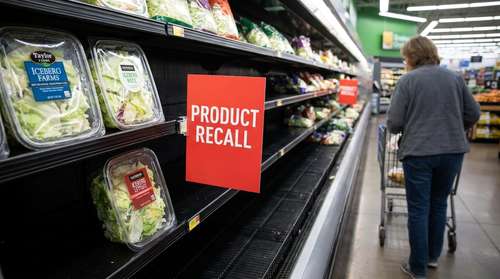
The timeline of the baby formula safety alert reveals a staggered response. The initial recall in November 2025 covered only two batches, but as case numbers ticked upward through December and January, it became clear the contamination was more widespread. Reports indicate that despite the recall, some inventory remained on shelves in major retailers, prompting the FDA to issue warning letters to chains including Target and Walmart.
What Parents Should Do Now
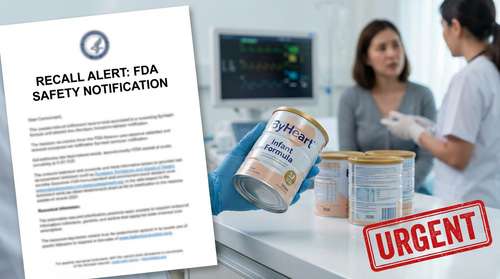
If you have any ByHeart Whole Nutrition Infant Formula—whether in cans or the single-serve packets—do not use it. The FDA advises:
- Discard the Product: Do not attempt to sterilize it yourself; boiling may not destroy botulism spores.
- Sanitize Bottles: Boil all bottles and nipples that may have come into contact with the formula.
- Monitor Your Baby: Keep a close watch for signs of weakness or constipation for up to 30 days after the last feeding.
As the investigation deepens, the focus is shifting toward the third-party supplier of the contaminated milk powder. Regulatory agencies are currently auditing the facility to determine if other brands could be at risk, though no other recalls have been issued at this time.