The American fitness sector fundamentally changed its playbook this week. For decades, the industry chased calorie-burning cardio, but the skyrocketing adoption of GLP-1 weight loss medications like semaglutide and tirzepatide forced a structural transformation. With up to 40% of the weight dropped on these drugs coming from lean mass rather than fat, major gym chains and wellness platforms are rolling out specialized protocols focused entirely on muscle preservation training. This new wave of GLP-1 fitness routines marks a definitive departure from traditional weight loss programs, placing heavy emphasis on maintaining functional strength during periods of rapid medical weight reduction.
The Gym-As-Clinic Era Accelerates
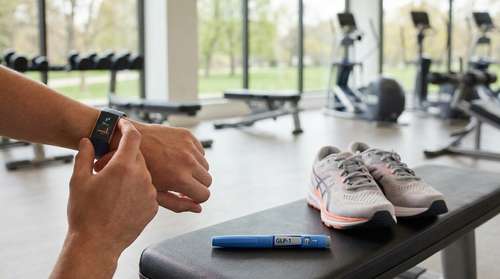
According to the latest Q1 2026 Inspire360 Club Intelligence Report, roughly 12.4% of U.S. adults have now utilized a GLP-1 medication. Recognizing that nearly half of these users seek out gym memberships for support, at least 17 major fitness operators launched dedicated programs as of this spring.
The spectrum of integration is vast. Luxury brands like Life Time and Equinox are operating full in-house longevity clinics, offering members medication prescriptions directly alongside specialized coaching. Meanwhile, high-value, low-price operators are relying on strategic referrals. Planet Fitness established a referral model with telehealth provider Ro, while Crunch Fitness partnered with Thrive. This shift represents the core of metabolic recomposition 2026, treating the gym floor as a necessary extension of medical treatment rather than an optional lifestyle choice.
The Formula for Sarcopenia Prevention
Medical consensus dictates that without intervention, rapid drug-induced weight reduction strips away functional tissue, increasing the risk of metabolic rebound and injury. In response, the industry is recalibrating its physical and nutritional guidelines to prioritize structural health over mere calorie deficits.
High-Protein Pacing
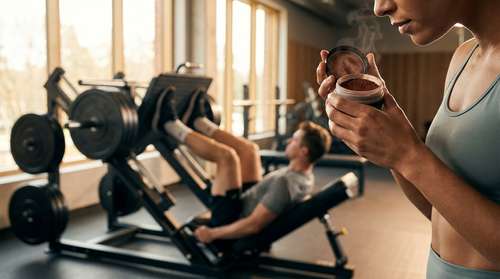
To succeed with resistance training for weight loss drugs, you must hit the right metabolic signals. Fitness experts note that the caloric deficit handles the fat loss, but protein handles preservation while mechanical tension signals the muscle to stay. The baseline nutritional requirement for those on a GLP-1 regimen is strict: a minimum of 1.2 to 1.6 grams of protein per kilogram of body weight daily. However, because the medications aggressively suppress appetite, consuming that much food naturally feels nearly impossible. Trainers are pivoting to protein pacing, encouraging smaller, nutrient-dense meals spread throughout the day rather than standard three-meal structures.
Structuring the Physical Stimulus
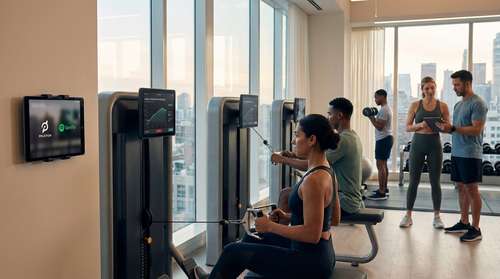
On the gym floor, trainers are actively programming 3 to 5 sessions of compound lifts weekly to achieve effective sarcopenia prevention. By shifting the primary metric of success from total weight lost to muscle strength maintained, these muscle preservation training routines protect joint integrity and keep resting metabolic rates high.
Furthermore, coaches must navigate the psychological side effects of the drugs. GLP-1s quiet the food noise but can also blunt natural energy cues and motivation. The most successful GLP-1 fitness routines act as behavioral anchors, providing structured movement patterns when the patient's internal physiological drive is artificially lowered.
Digital Adaptation: The Peloton Spotify Fitness Launch
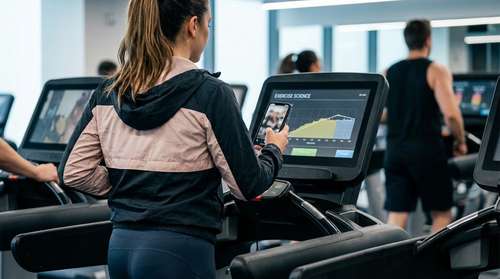
The muscle-first movement extends far beyond brick-and-mortar gyms. Digital media platforms are rapidly pivoting to deliver strength training directly to consumers who might be intimidated by traditional gym environments. On April 27, 2026, Spotify introduced a massive global update by launching a dedicated Fitness hub right inside its app.
Through a strategic partnership, the new Peloton Spotify fitness category brings over 1,400 ad-free, expert-led classes to Premium subscribers without requiring a separate Peloton membership or specialized equipment. While the iconic stationary bikes are absent, the catalog leans heavily into accessible formats like strength training, pilates, stretching, and bodyweight exercises. This perfectly complements the needs of a GLP-1 demographic seeking low-barrier entry into resistance work. By meeting hundreds of millions of users where they already listen to music, tech giants are making daily muscle engagement frictionless.
Decoding Fitness Industry Trends 2026
The convergence of pharmaceuticals and strength training reveals a glaring challenge: the trainer readiness gap. The Inspire360 report highlighted that fitness professionals must understand how appetite suppression impacts energy availability and workout recovery. Standard high-intensity coaching falls flat when a client lacks the nutritional drive to recover from a gruelling session. Muscle preservation training requires precise dosing of volume and intensity.
As we look toward the remainder of the year, expect to see further consolidation between medical care, nutrition tracking, and fitness delivery. Walmart recently expanded its Better Care Services to include GLP-1 companion programming through apps like Aaptiv, alongside clinical dietitian support.
The prevailing message across fitness industry trends 2026 is clear. Shrinking the number on the scale is no longer the ultimate goal. Today's protocols are about building the physical architecture required to support a transformed body, ensuring that modern medical weight loss translates into lasting, functional health.