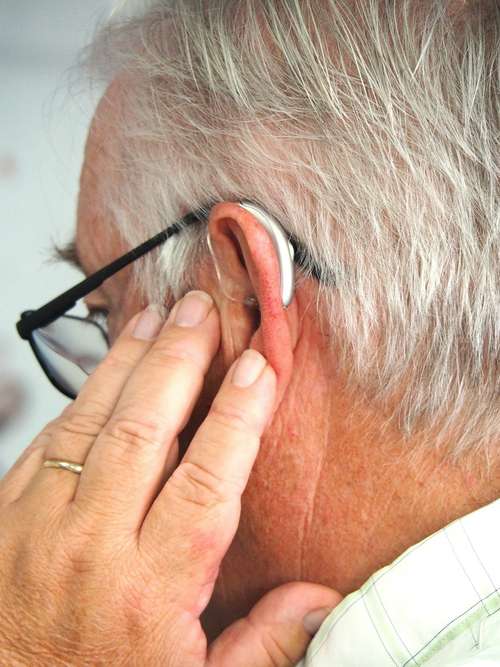
Midlife Hearing Loss and Dementia Risk: What You Need to Know
It’s surprising to learn that a decline in hearing during midlife might be more than just an inconvenience at social events—it could be a warning sign for your overall brain health. If you’ve ever found yourself asking, “Could these lapses in sound be doing more than just affecting my conversations?”, you’re not alone. Recent insights suggest that midlife hearing loss might significantly increase your dementia risk later in life.
You might wonder how these two issues connect. As we age, maintaining auditory health is crucial not only for our communication but also as a part of our cognitive health strategy. This article breaks down why hearing loss prevention is so important, along with practical hints and personal reflections to offer a clearer picture of the situation.
Understanding the Connection
When we talk about midlife hearing loss, we aren’t just addressing a fading ability to catch every word in a conversation. We’re diving into a signal that relates to broader brain health concerns. Here, we discuss the links between hearing impairment and cognitive decline.
Research has shown that untreated hearing loss can accelerate cognitive decline. When your brain isn’t properly stimulated by sound, it starts to work overtime trying to fill in the gaps. This extra cognitive load can lead to changes that might increase your dementia risk. Imagine trying to solve a puzzle with half the pieces missing—your brain struggles, and over time, this strain might contribute to mental fatigue and a higher possibility of dementia.
Besides affecting cognitive function, reduced auditory input might lead to social isolation, further affecting mental health. Social interactions are vital for keeping our minds sharp, so if you're having difficulty hearing, you might inadvertently find yourself withdrawing from activities that promote cognitive engagement.
Why Early Intervention Matters
Early intervention is key. By addressing hearing loss as soon as you notice it, you could potentially reduce the risks associated with cognitive decline and dementia risk.
One exciting aspect of this connection is that many risk factors for cognitive decline, like midlife hearing loss, are modifiable. Hearing loss treatment isn’t simply about amplifying sounds; it’s also a part of dementia prevention. Using hearing aids or investing in other auditory health solutions can make a huge difference in maintaining your brain health.
It’s kind of like maintaining your car. Regular oil changes and tune-ups can prevent more serious issues down the line. Similarly, having your ears checked and taking prompt corrective action might help keep your mind running smoothly as you age.
There’s a simple message here: don’t take subtle changes in hearing lightly. Even though you might think, “It’s just a little trouble hearing the TV,” it’s important to consider getting a professional opinion. Doing so may serve as a proactive step towards preventing future cognitive decay.
The Role of Regular Check-ups
Regular health check-ups are as crucial for your ears as they are for your heart or blood pressure. Incorporating auditory health assessments into your routine not only monitors the progress of age-related hearing loss, but also serves as an early warning system for dementia risk.
Having a conversation with your healthcare provider about your hearing might feel unexpected. However, many experts now suggest including hearing tests during midlife check-ups. This proactive approach can aid in early detection and timely hearing loss treatment. It’s a small step that can lead to big changes in your overall mental health.
There’s also a broader awareness rising about the importance of hearing aids—not as a symbol of old age, but as a tool to support a robust brain. In some cases, using hearing aids has been associated with improved communication and social engagement, both of which are critical to combating cognitive decline.
Practical Steps for Hearing Loss Prevention
Hearing loss prevention isn’t just about technology; it’s about lifestyle, too. Simple modifications in daily routines can enhance your auditory health and reduce your susceptibility to dementia risk over time.
Firstly, it’s important to protect your ears in noisy environments. Whether you’re at a concert or working in a bustling office, using ear protection can stave off the detrimental effects of excessive sound exposure. Moderation really is key here—just like you wouldn’t overeat a favorite treat, it’s wise to avoid consistently high decibel levels.
Additionally, consider scheduling routine hearing tests. Simple check-ups can detect any subtle changes early enough, allowing you to address auditory issues before they evolve into more serious problems. Talk to professionals who specialize in age-related hearing loss, and remain informed about the latest hearing loss treatment options. By taking action early, you can improve your overall brain health and extend your mental wellness well into your senior years.
Another point to note is the holistic approach to health. Exercise, a balanced diet, and social engagements are truly the bedfellows of mental health management. While they might not directly fix hearing loss, they create an environment where the brain is more resilient against cognitive decline.
Embracing a Future with Better Brain Health
So, how do you integrate these findings into your daily life? It starts with awareness and conversation. Most of us have experienced the frustration of failing to catch every word during a lively discussion. Recognizing that these common moments might have broader implications is a crucial step towards proactive management of both auditory and cognitive health.
The idea is simple—by caring for our hearing, we are also caring for our brain. This dual benefit is vital in a world where the prevalence of dementia risk is increasing. Embracing steps such as regular check-ups, using hearing aids when needed, and adopting lifestyle tweaks can translate into long-term benefits for cognitive health.
One can even view this as investing in a long-term asset—your brain. Picture it as your most prized possession, one that deserves the same care and attention as any other part of your body. Whether you’re aware of it or not, every small change you make today could potentially lower your dementia risk tomorrow.
Breaking Down Misconceptions
Let’s also talk about some common myths surrounding midlife hearing loss and dementia. A frequent misconception is that hearing loss is a natural, unpreventable part of aging. While it’s true that our auditory system evolves over time, age-related hearing loss can often be managed with the right approach. This isn’t just about accepting it as inevitable—rather, it’s about taking charge and exploring hearing loss prevention strategies.
It can be easy to brush off the initial signs of hearing decline as part of normal aging. However, when this symptom is potentially linked to cognitive decline, the stakes are much higher. Keeping yourself informed and routinely consulting with healthcare professionals can demystify the issue. In turn, you gain control over your auditory health and indirectly lessen the chance of dementia risk.
The path to effective dementia prevention is paved with small, manageable steps. Sometimes, the insights we need start with something as simple as asking, “Could this minor change in my hearing be hinting at a larger issue?” When you start to explore these questions, you’re setting the stage for a healthier future.
Wrapping It All Up
Midlife hearing loss is far more than an annoying distraction—it’s a potential flag for cognitive decline and a higher dementia risk. The key take-home message here is one of empowerment. You have the power to make lifestyle choices, seek early intervention, and harness hearing loss treatment options that can protect not only your ears but your brain as well.
By understanding the intricate connection between auditory health and dementia prevention, you enable yourself to take proactive steps towards a healthier future. It’s a call to action for all of us: prioritizing our hearing doesn’t just improve conversations; it can safeguard our cognitive well-being for years to come.
In this journey of aging and hearing, every step counts. Whether it's scheduling a routine check-up or simply being mindful in noisy environments, the little actions add up to significant benefits in brain health and mental health overall. So, next time you find yourself turning up the volume, pause and remember—your brain might just thank you later!