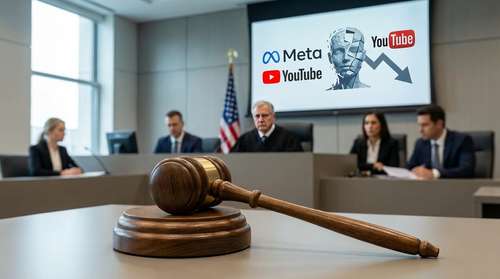
On April 2, 2026, a Los Angeles courtroom became the epicenter of a seismic shift in the technology industry. In an unprecedented decision, a California state court found tech conglomerates Meta and YouTube legally liable for engineering their platforms to foster addiction among young users. This landmark social media mental health lawsuit resulted in a $3 million damages award to a single plaintiff, definitively challenging the long-held legal immunity that has protected Silicon Valley for decades. For families and advocates grappling with the psychological fallout of digital platforms, the ruling represents a long-awaited demand for tech company accountability.
A Watershed Moment for Tech Company Accountability
The verdict against Meta Platforms Inc. and Google-owned YouTube marks the culmination of a grueling, weeks-long trial in Los Angeles Superior Court. The jury concluded that both corporate giants acted with negligence in the design and operation of their digital products, utilizing architectural features that keep young minds continuously engaged without regard for user well-being.
In a striking apportionment of blame, the court assigned 70 percent of the responsibility to Meta and 30 percent to YouTube. The decision underscores the growing legal consensus that platform design choices—such as infinite scrolling, autoplay features, and algorithmically curated feeds—are active product defects rather than neutral content distribution systems. By holding these companies financially responsible for the resulting psychological damage, the Meta teen mental health ruling establishes a vital blueprint for future litigation.
Inside the Social Media Mental Health Lawsuit
The catalyst for this historic decision is a 20-year-old California woman identified in court documents by her initials, K.G.M., or "Kaley". Having begun her exposure to YouTube at age six and Instagram at age nine, she testified to spending her entire childhood tethered to her digital devices. Her legal team successfully argued that this relentless exposure was not an accident of poor parenting, but the precise behavioral outcome intended by platform engineers.
Assessing Instagram Mental Health Effects
During the trial, jurors listened to extensive testimony regarding Kaley's severe psychological deterioration. The plaintiff detailed a harrowing battle with body dysmorphia, chronic anxiety, and suicidal ideation, which medical experts linked directly to her compulsive platform usage.
Through internal corporate documents and expert analyses, the plaintiff's attorneys demonstrated how continuous exposure to heavily curated, filter-enhanced realities eroded her self-esteem. The legal argument moved beyond vague cultural concerns about screen time, establishing specific social media liability for depression caused by products explicitly optimized for prolonged user engagement.
Shattering the Shield of Legal Immunity
For decades, internet platforms have successfully deflected legal responsibility for user harm by invoking Section 230 of the Communications Decency Act, claiming they merely host third-party content. However, this April 2026 verdict successfully bypassed that defense by focusing heavily on product design.
Attorneys demonstrated that YouTube addiction liability stems not from the videos themselves, but from the platform's architectural choices. Specifically, the recommendation engines and autoplay mechanisms are designed to bypass a child's natural stopping points, ensuring maximum screen time.
Unsurprisingly, both defendants have vehemently disagreed with the findings. A Google spokesperson argued that the verdict fundamentally mischaracterizes YouTube, which they insist is a responsibly built streaming service rather than a social network. Concurrently, Meta issued a statement asserting that adolescent psychological development is profoundly complex and impossible to trace back to a single application. Both corporations have vowed to launch aggressive appeals.
Addressing the Teen Mental Health Crisis 2026
While this single $3 million payout will not bankrupt multi-trillion-dollar corporations, its ripple effects are already tearing through the industry. During the intense proceedings, the court heard direct testimony from high-profile technology executives, including Meta CEO Mark Zuckerberg and Instagram chief Adam Mosseri. Their presence on the witness stand drew stark comparisons to the Big Tobacco executives who testified before Congress in the 1990s.
The Los Angeles case serves as a critical bellwether for the sprawling federal multidistrict litigation (MDL 3047) currently proceeding in Northern California under U.S. District Judge Yvonne Gonzalez Rogers. That docket contains over 10,000 personal injury claims and nearly 800 lawsuits from public school districts. These educational institutions are demanding reimbursement for the staggering resources spent responding to behavioral disruptions, shortened attention spans, and psychiatric emergencies among their student bodies.
As the teen mental health crisis 2026 continues to overwhelm medical providers, courts are no longer waiting for legislative action. This verdict signals that the era of unbridled technological experimentation on minors has collided with consumer protection law. Parents, educators, and legal advocates now possess a proven framework to demand transparency, safer default settings, and a digital environment that prioritizes adolescent safety over maximized engagement.