In a landmark discovery that fundamentally shifts our understanding of brain aging, scientists at the University of California, San Francisco (UCSF) have identified a specific mechanism by which the liver protects the aging mind. The study, published this week in the prestigious journal Cell, reveals how a liver protein called GPLD1 strengthens the blood-brain barrier to reverse cognitive decline. This breakthrough offers a promising new roadmap for natural dementia prevention and potential therapies that could mimic the brain-boosting benefits of exercise.
The Liver-Brain Axis: Unlocking the GPLD1 Secret
For years, researchers have known that physical exercise benefits the brain, but the exact biological pathways have remained elusive. In 2020, the UCSF team led by Saul Villeda, PhD, first identified GPLD1 as a key "exercise factor" secreted by the liver. However, a major mystery remained: GPLD1 does not cross the blood-brain barrier. How, then, could a protein stuck outside the brain have such profound effects on memory and cognition inside?
The new UCSF healthy aging study, released on February 18, 2026, solves this puzzle. The researchers discovered that GPLD1 acts as a molecular "groundskeeper" for the brain's perimeter. It patrols the blood vessels surrounding the brain and modifies them to prevent inflammation. "This discovery shows just how relevant the body is for understanding how the brain declines with age," said Villeda, associate director of the UCSF Bakar Aging Research Institute.
The Villain: TNAP and the Leaky Barrier
To understand the solution, we must first understand the problem. The study identifies a protein called TNAP (Tissue-Nonspecific Alkaline Phosphatase) as a primary culprit in brain aging. As we get older, TNAP accumulates on the cells that form the blood-brain barrier.
Strengthening the Blood-Brain Barrier
When TNAP levels rise, the protective barrier becomes "leaky," allowing harmful toxins and inflammatory factors to seep into the brain. This blood-brain barrier protection failure is a hallmark of neurodegenerative diseases. The researchers found that in sedentary aging mice, TNAP levels were dangerously high, correlating with significant memory loss.
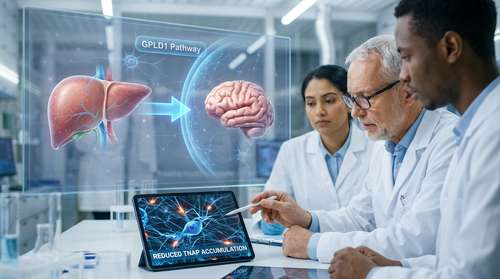
This is where GPLD1 liver protein enters the picture. The study demonstrates that GPLD1 works by chemically "trimming" excess TNAP from the surface of blood vessel cells. By removing this buildup, GPLD1 restores the structural integrity of the blood-brain barrier, effectively sealing the leaks and shielding the brain from inflammation.
Exercise and Brain Health Aging: A Molecular Link
The implications of this liver-brain axis longevity mechanism are profound. When the researchers genetically engineered older mice to produce more GPLD1—or reduced their TNAP levels directly—the results were striking. The animals showed restored blood-brain barrier function and improved performance on memory tests, effectively reversing cognitive decline.
"We were able to tap into this mechanism late in life for the mice and it still worked," noted Gregor Bieri, PhD, the study's lead author. This suggests that the window for intervention remains open even after age-related decline has begun, offering hope for treating conditions like Alzheimer's disease.
Natural Dementia Prevention and Future Therapies
While this research highlights the critical importance of exercise and brain health aging, it also paves the way for new treatments for those who cannot exercise. Villeda and his team are now exploring "exercise mimetics"—therapies that could artificially boost GPLD1 activity or target TNAP directly.
Biotech startup Ceiba Bio, co-founded by Villeda, is already working to translate these findings into clinical applications. The goal is to develop drugs that can tighten the blood-brain barrier in older adults, potentially providing a pharmaceutical defense against dementia.
What This Means for You Today
Until a pill becomes available, the best way to boost your GPLD1 levels is through regular physical activity. This research confirms that when you move your body, your liver responds by releasing proteins that actively protect your mind. It serves as a powerful reminder that the key to a sharp mind in 2026 and beyond may lie not just in the head, but in the rest of the body.